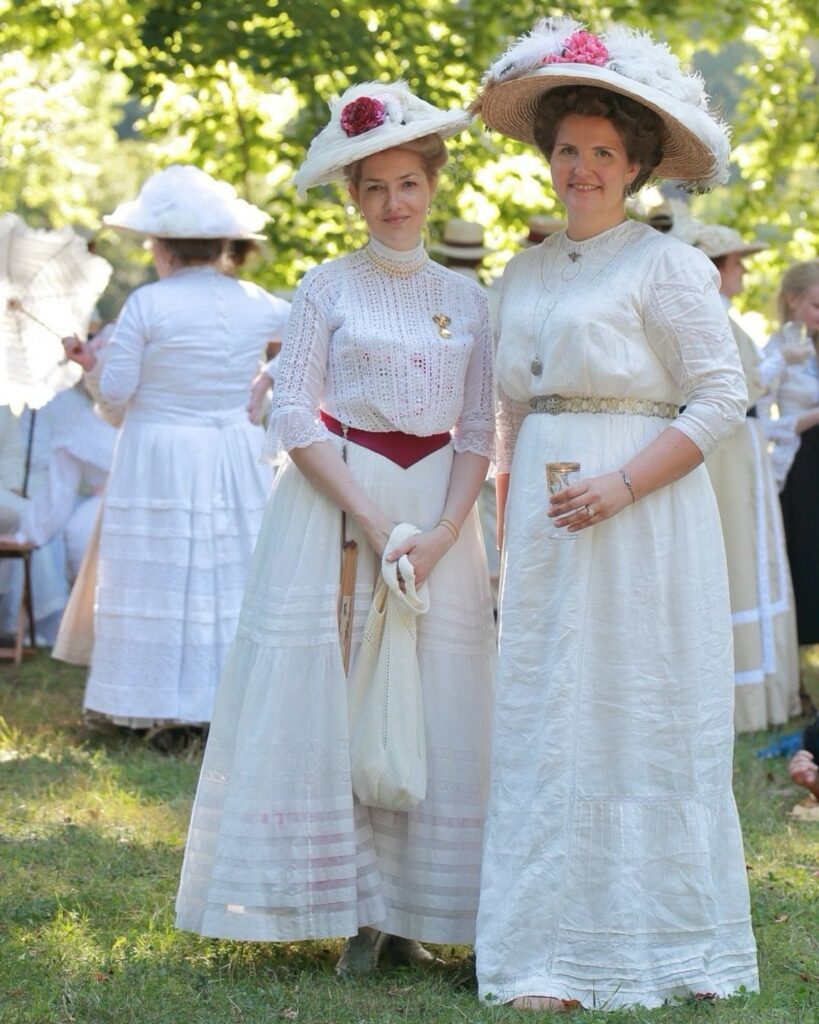
Which era to borrow from depends on how much you move in a day, because the list runs from the high-necked Gibson Girl blouse with its puffed sleeves to the full Victorian look of bustled skirt and fitted bodice.
Structure is the cost: Dior’s corsetry and underskirts make a finished garment weigh more than 9 pounds, while Balenciaga’s 1957 Sack dress weighs only 2.2 pounds.
If you walk, sit and drive all day, pick the lighter shape, like a 1950s fit-and-flare dress or a 1940s utility cut, and take one idea from the period instead of the whole outfit.
1. Gibson Girl
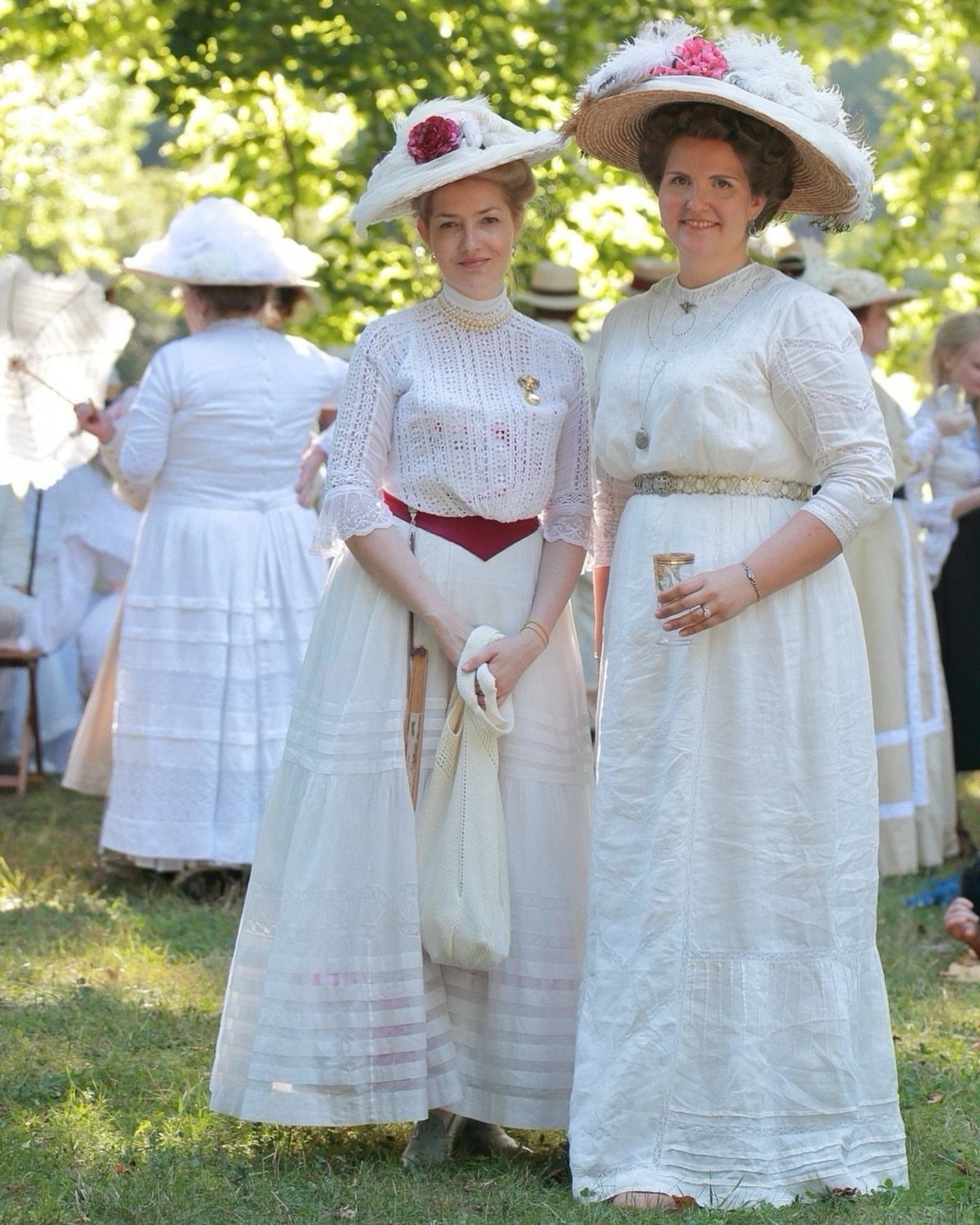
An idealized, graceful silhouette defines the Gibson Girl, and white is the easiest way to wear it today. Pick a white or ivory dress with a fitted bodice, then add a wide-brimmed hat to finish the look.
The hat does the most work, so I would spend there first. Keep everything else plain, and the outfit reads as a nod to the early 1900s rather than a costume.
2. Victorian Fashion
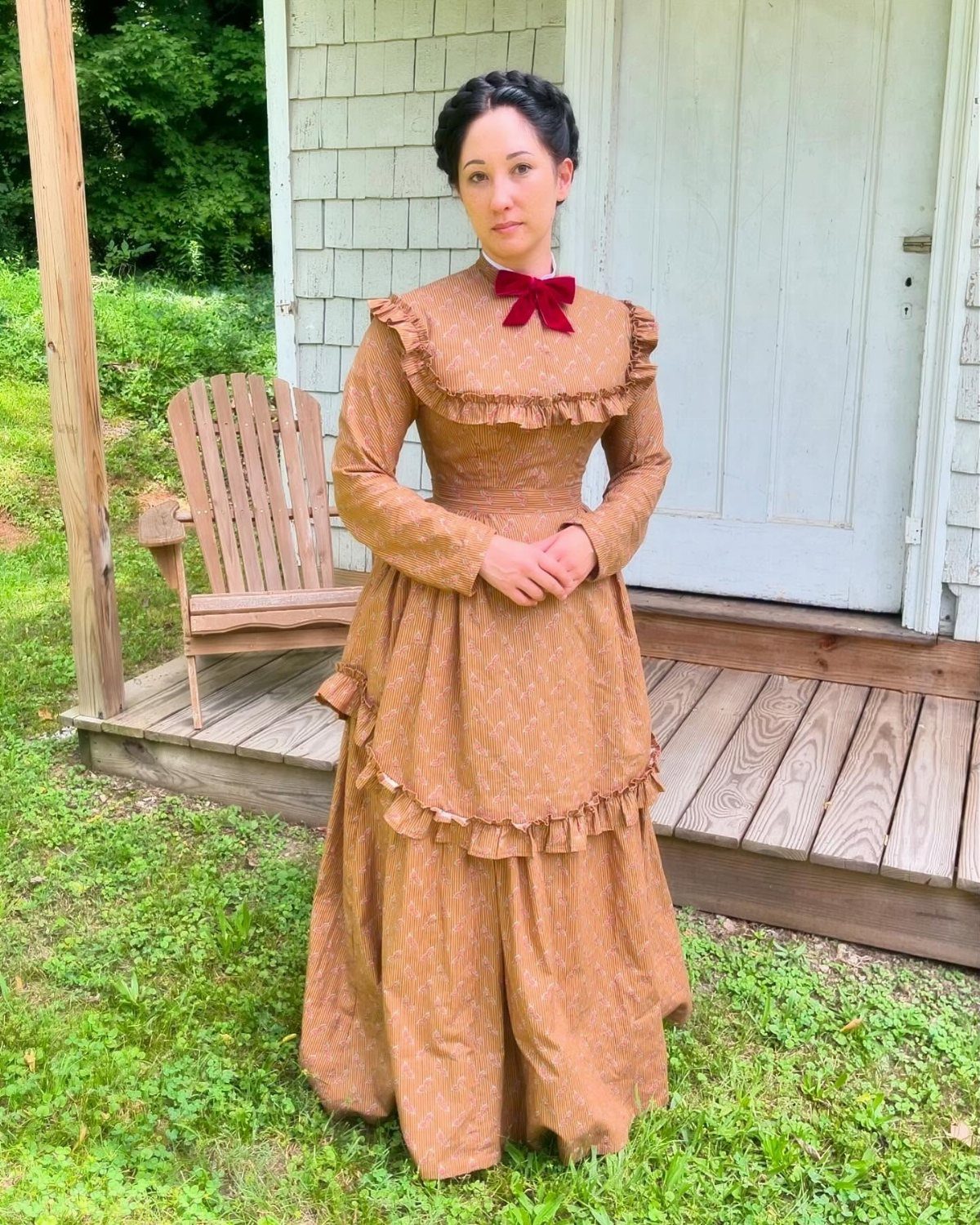
Structure is what makes Victorian fashion recognizable, and corsets shaped much of the 19th century.
You can borrow the Victorian look without a corset: a striped dress in a deep brown, trimmed with ruffles at the cuff or hem and finished with one bow in a contrasting red, gives you the period feel on its own.
I would choose one bright accent and keep the rest muted. Ruffles plus a bow is already a lot, so skip extra jewelry.
3. 1940s Womens Fashion: Wartime Utility Meets Feminine Strength
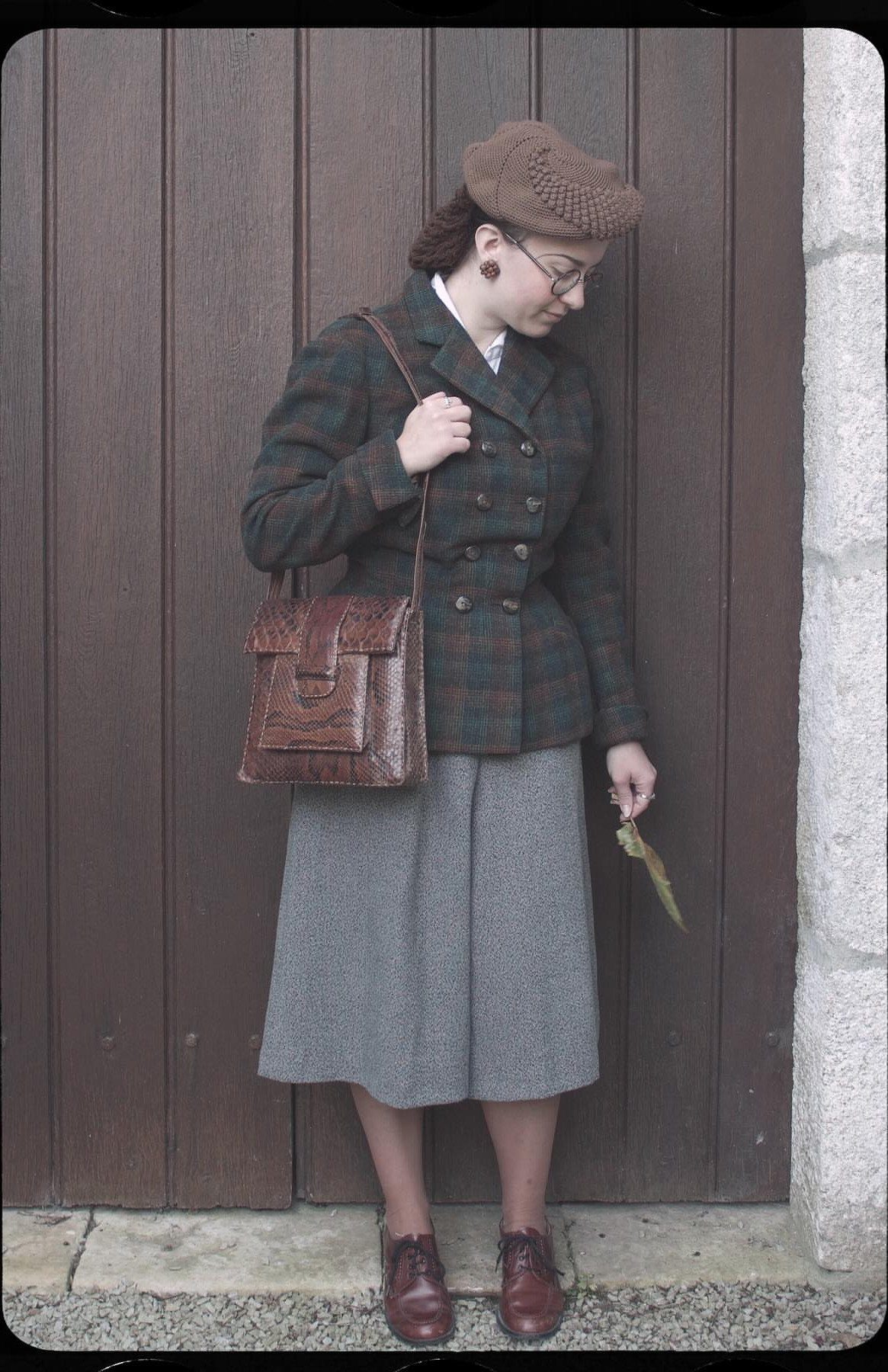
A plaid jacket over a grey skirt is the clearest way to wear 1940s style, because both pieces are practical and neither needs hunting down.
A beret in brown or another earthy tone and a structured leather bag in a matching shade give a 1940s outfit its wartime polish without costume pieces.
Tailoring is what gives this look its strength. If the jacket sits cleanly at the shoulder, the outfit works.
4. Edwardian Walking Attire
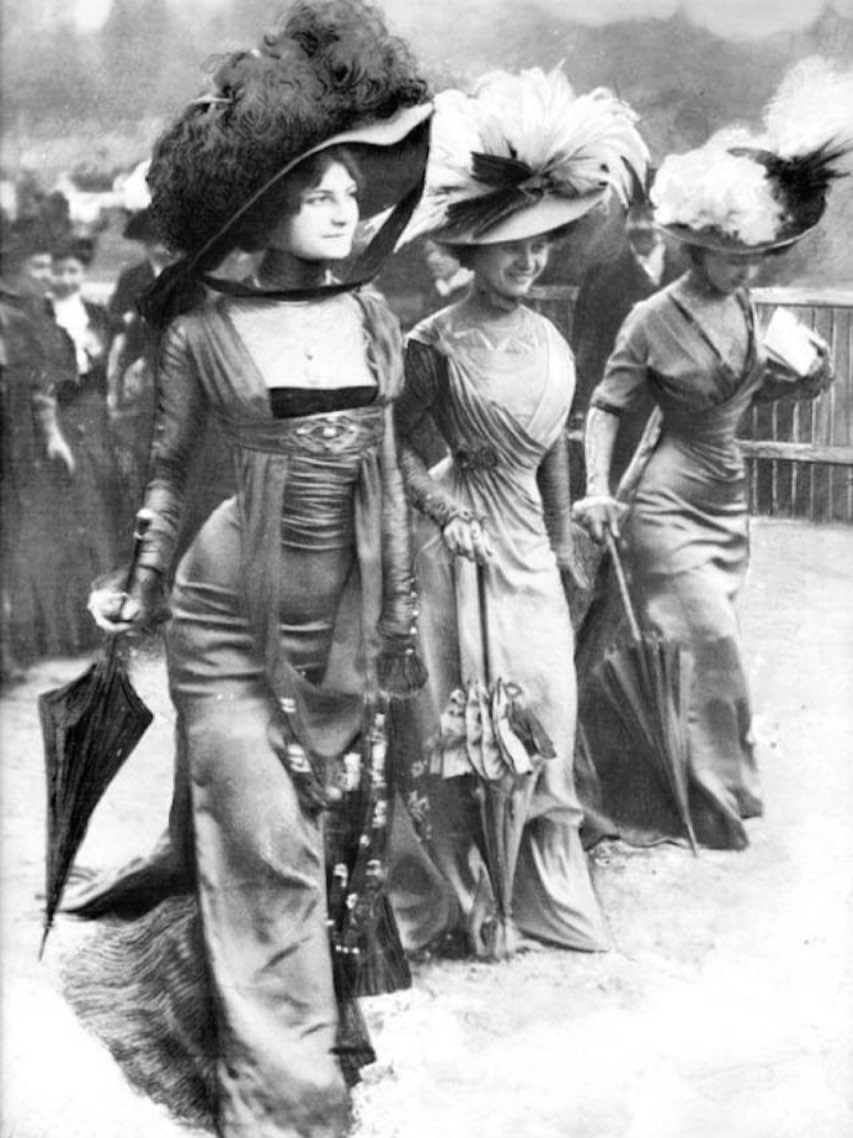
Cinched waists, tailored gowns, plumed hats and parasols make Edwardian walking attire a full outfit built for being outdoors. The parasol is the easiest piece to add to a modern look.
I would pick one dramatic element, either the plumed hat or the parasol, and keep the dress simple. Wearing all three at once only works at a costume event.
5. Romantic Era Day Dress
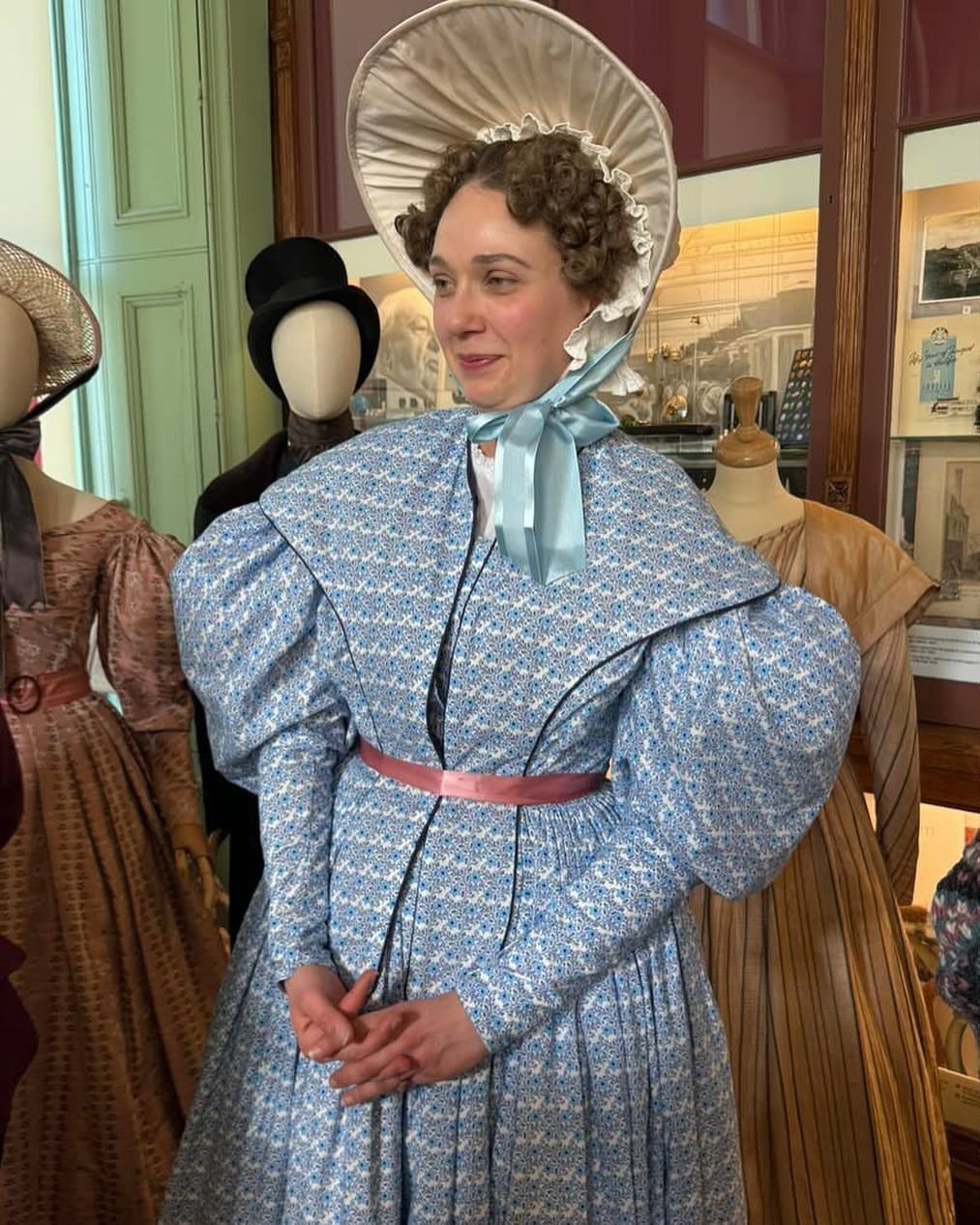
Gigot sleeves, full at the upper arm and narrower below, give the Romantic era day dress its shape. A light blue pattern with a pink sash keeps the volume soft rather than heavy.
For everyday wear, I would take just the sleeve. A blouse with a puffed upper sleeve and a sash at the waist borrows the idea without a bonnet.
6. 1950s Fit-and-flare Dress
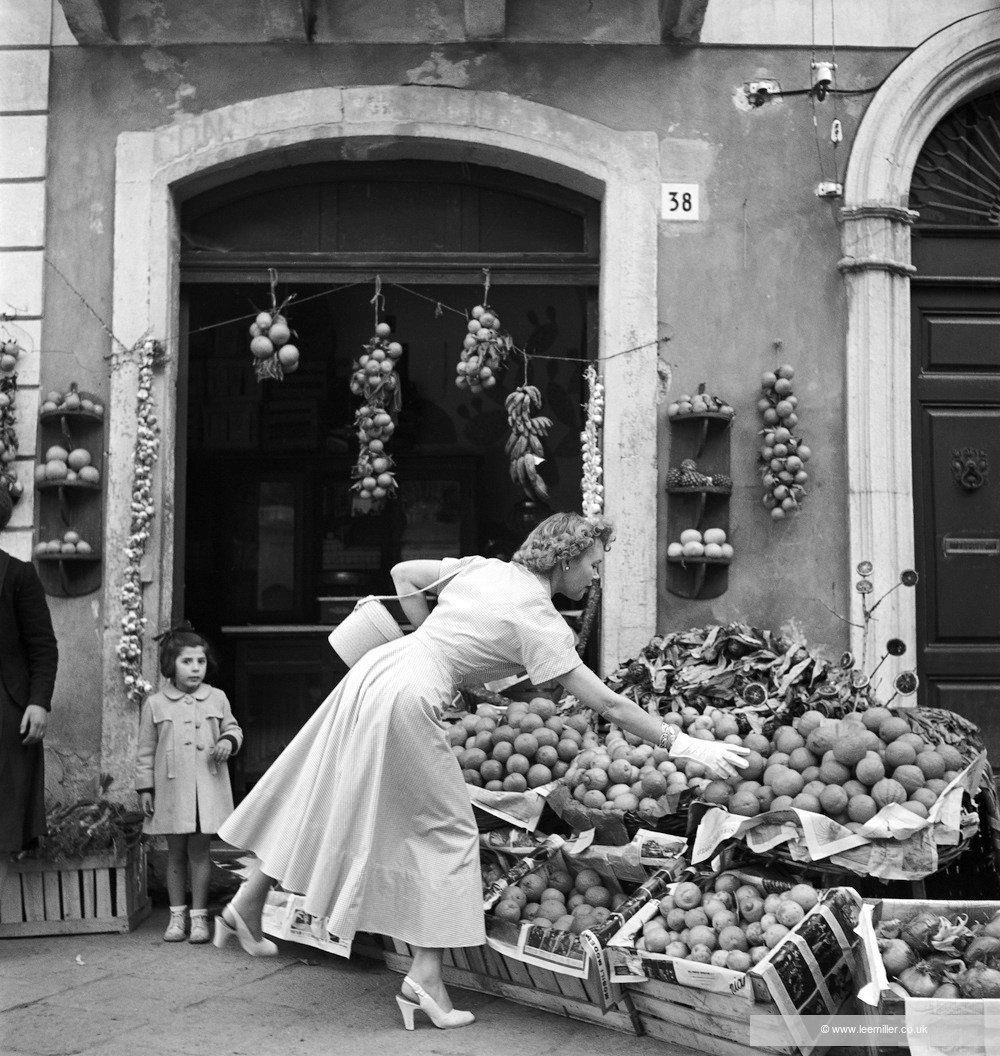
Fit-and-flare is a 1950s shape that still works for errands: a fitted bodice, a defined waist and a mid-length skirt that moves as you walk.
White heels give a fit-and-flare dress a period finish; pick a closed toe or a low block heel, and keep the bag and belt simple so the full skirt stays the focus.
Mid-length is the most wearable cut, since it suits daytime and needs little styling. Flat sandals are a good alternative if you are on your feet for hours.
Fashion Evolution Over Time
Reading fashion history in order shows a pattern: clothing changes shape when fabric, tools and daily life change.
The two overviews I rely on cover the 1600s to today and 1800 through 2000, and both treat construction and fabric as the story, with the silhouette as just one part of it.
When you shop vintage-inspired pieces, check the fabric and seams first. A garment’s weight, stretch and stitching tell you more about its era than a print does, and they decide whether you will actually wear it.
For your own closet, pick the era whose construction suits your routine, then buy one piece in it.
Before it’s in fashion, it’s in Vogue. But if it’s Vogue, it’s also part of fashion history.
— Vogue
Influence of Historical Events
Women’s fashion never developed apart from history. World wars changed which fabrics were available and pushed clothing toward the practical, and in the 1910s that meant less restrictive styles.
Hobble skirts, so narrow at the ankle that walking was a shuffle, had a short run before the war pushed clothing toward ease of movement.
That is a useful rule for shopping: if a piece restricts your stride, you will stop wearing it. Choose the version that moves.
Cinema, youth movements, music and television then spread new looks well beyond Paris. By the late 20th century, streetwear and subcultures shaped what people wore as much as couture houses did, so your own taste counts as a legitimate source.
Role of Designers
Designers disagree on how to build volume, and that affects what you should buy.
Dior built the shape with corsetry sewn into the bodice and several layers of underskirts, which is why the finished garment weighs more than 9 pounds. Balenciaga’s Sack dress from 1957 shaped volume through fabric alone and weighs only 2.2 pounds.
For everyday wear, the lighter approach wins: a boxy, loose shape is easier to sit, walk and drive in than a structured skirt.
Chanel is the other option. Chanel reopened her house in 1954 and returned to what she did best: slim, easy lines built from boxy jackets and straight skirts.
A boxy jacket with a straight skirt is the most wearable of the three, because it needs no special underpinnings.






