Hair color runs from a soft balayage that grows out gracefully to rainbow bands and fashion colors that only suit someone who enjoys being noticed.
Your undertone and how often you’ll sit in a salon chair decide which one is yours, more than the name on the swatch.
Semi-permanent color, which typically lasts 10–20 washes, is the low-risk way to test a shade before you commit to roots and touch-ups.
1. Balayage
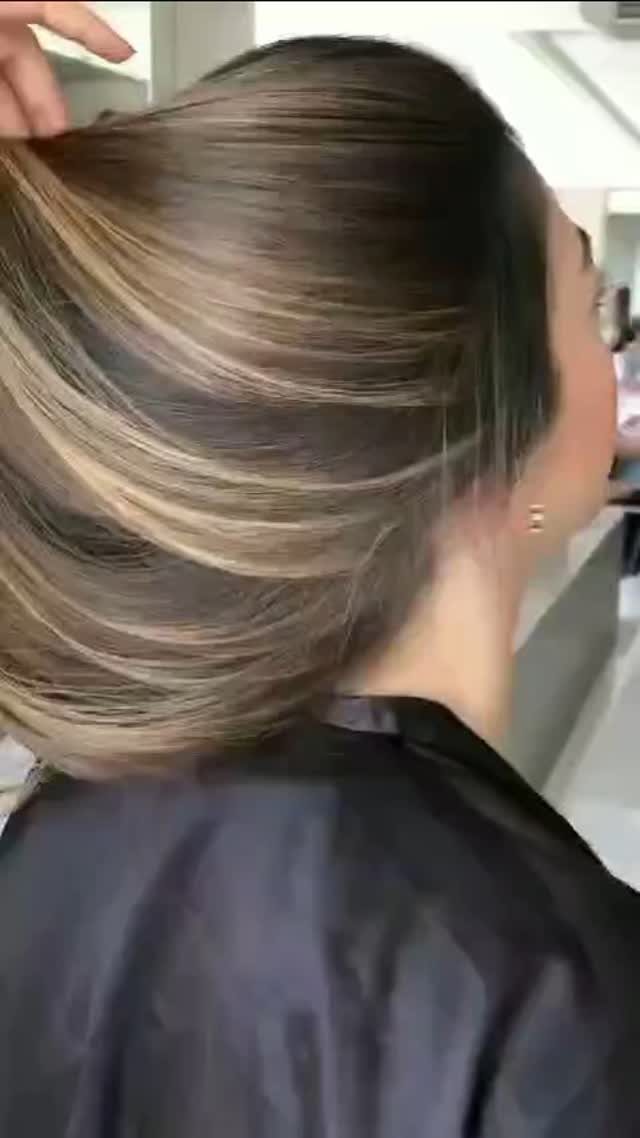
Hand-painted color is what separates balayage from foil work: the stylist sweeps lightener across the surface of the hair, so the blonde melts into brown without a visible line.
That softness suits anyone who shops for quality over quantity and wants color that grows out gracefully. On long, wavy hair like this, the waves show off the golden pieces as they catch the light.
Ask for a tone that sits close to your natural brown. The closer the match, the less often you will be back in the chair.
2. Highlights
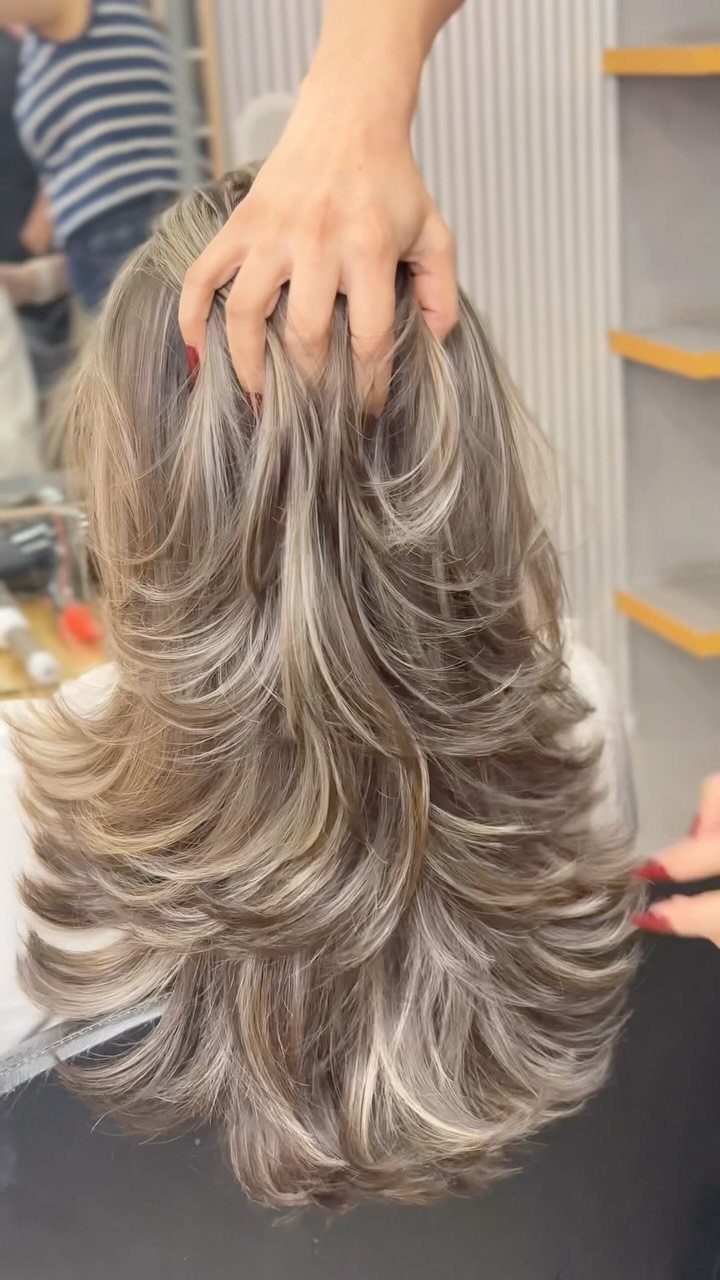
Layered cuts and highlights work as a pair, because every layer gives the lighter strands a new place to catch the light. Ash-blonde with bright pieces, as here, reads as dimension rather than one flat shade.
I would pick highlights if you like a visible, brighter effect and don’t mind a stylist working through the hair section by section.
Tell your stylist how bright you want the pieces before they start. Bring a photo of the tone you like and one of the tone you don’t.
3. Lowlights
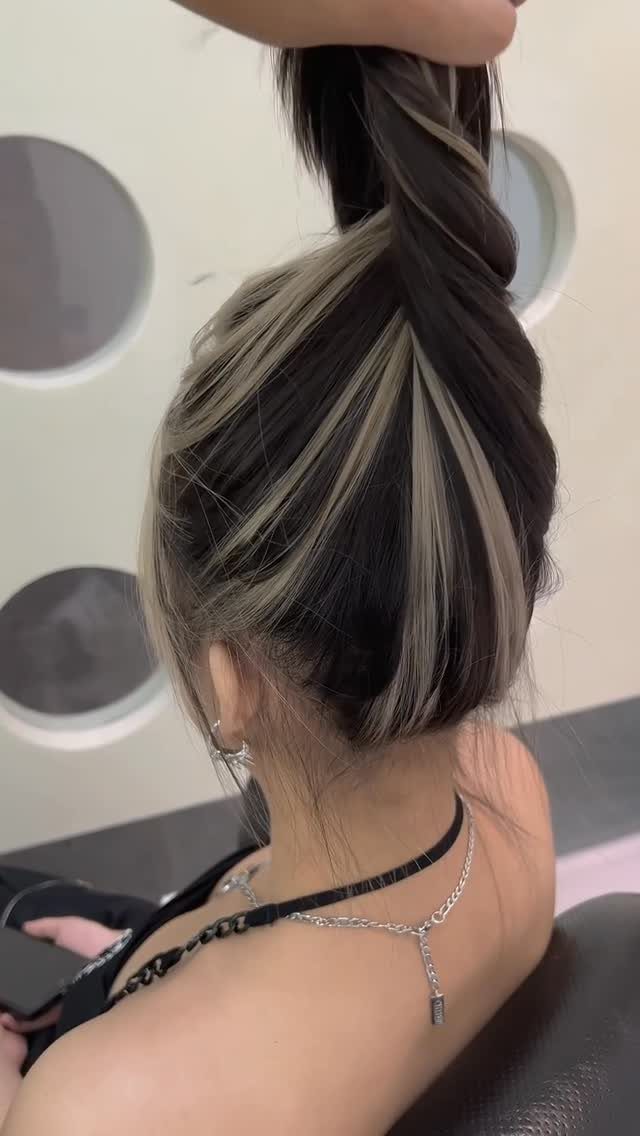
Darker strands woven through blonde add the one thing flat color can’t: depth. Dark brown lowlights behind lighter pieces make the blonde look richer and the hair look thicker.
Lowlights are a good fix if your highlights have started to look washed out or too stripy. Adding shade back is often simpler than starting over.
Ask for a dark brown that sits one or two steps below your base so the contrast stays believable. Hold up a section in natural light before you leave the salon.
4. Color Block Highlights
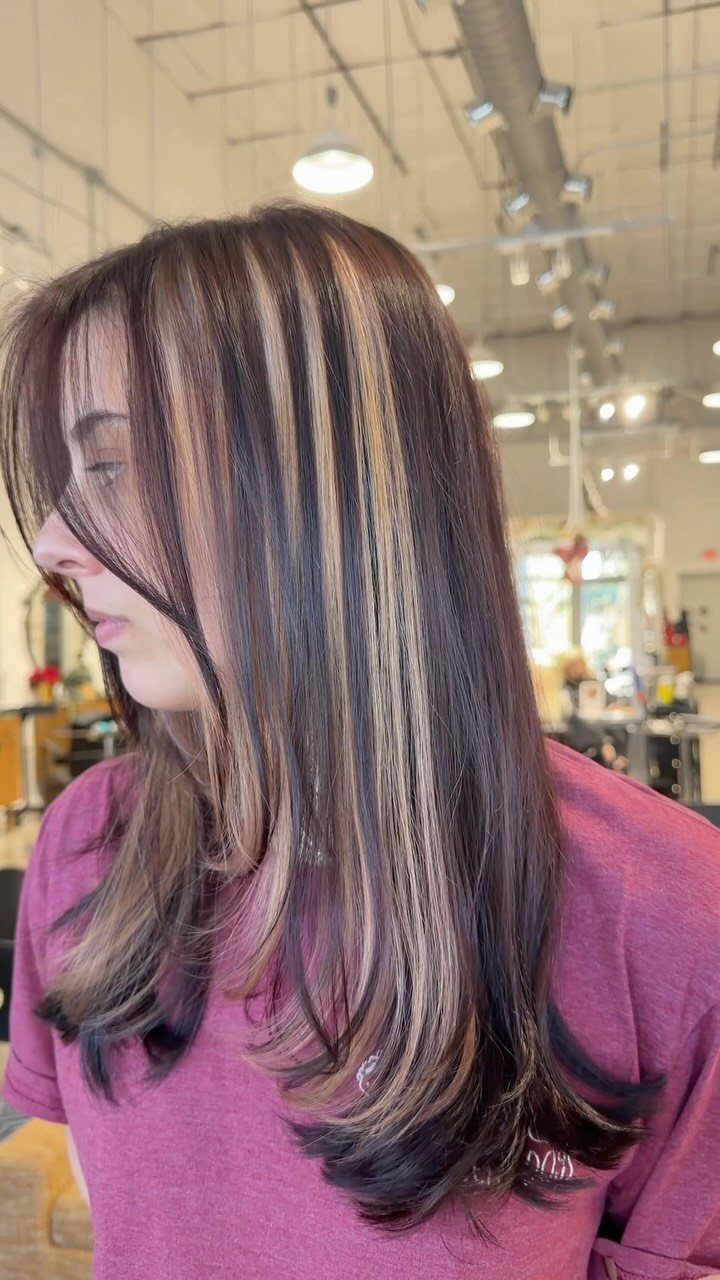
The contrast is the whole look, so it never reads as subtle.
I like it best on long, straight-ish hair, where the wide sections stay intact and show clearly.
Be specific with your stylist about where each block starts and how wide it is. A placement near the face frames the features most, but it also draws the most attention, so decide how loud you want it.
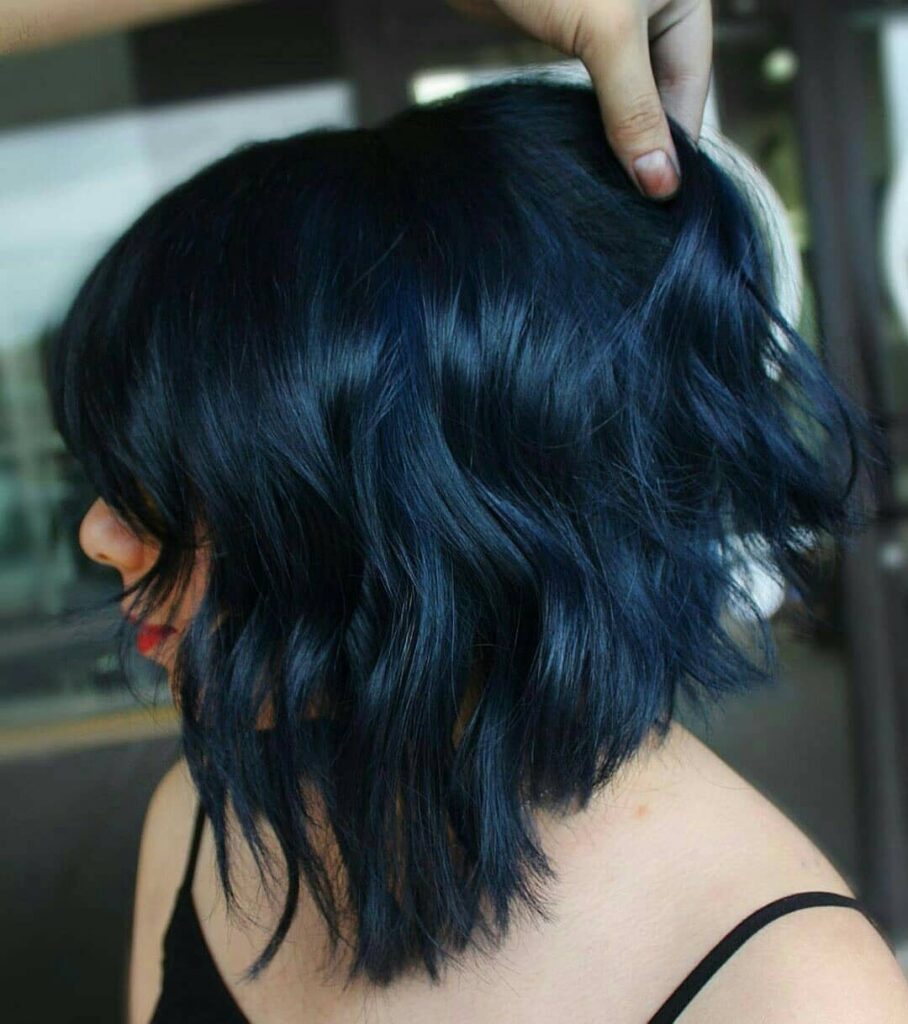
5. Blue-Black Hair Color
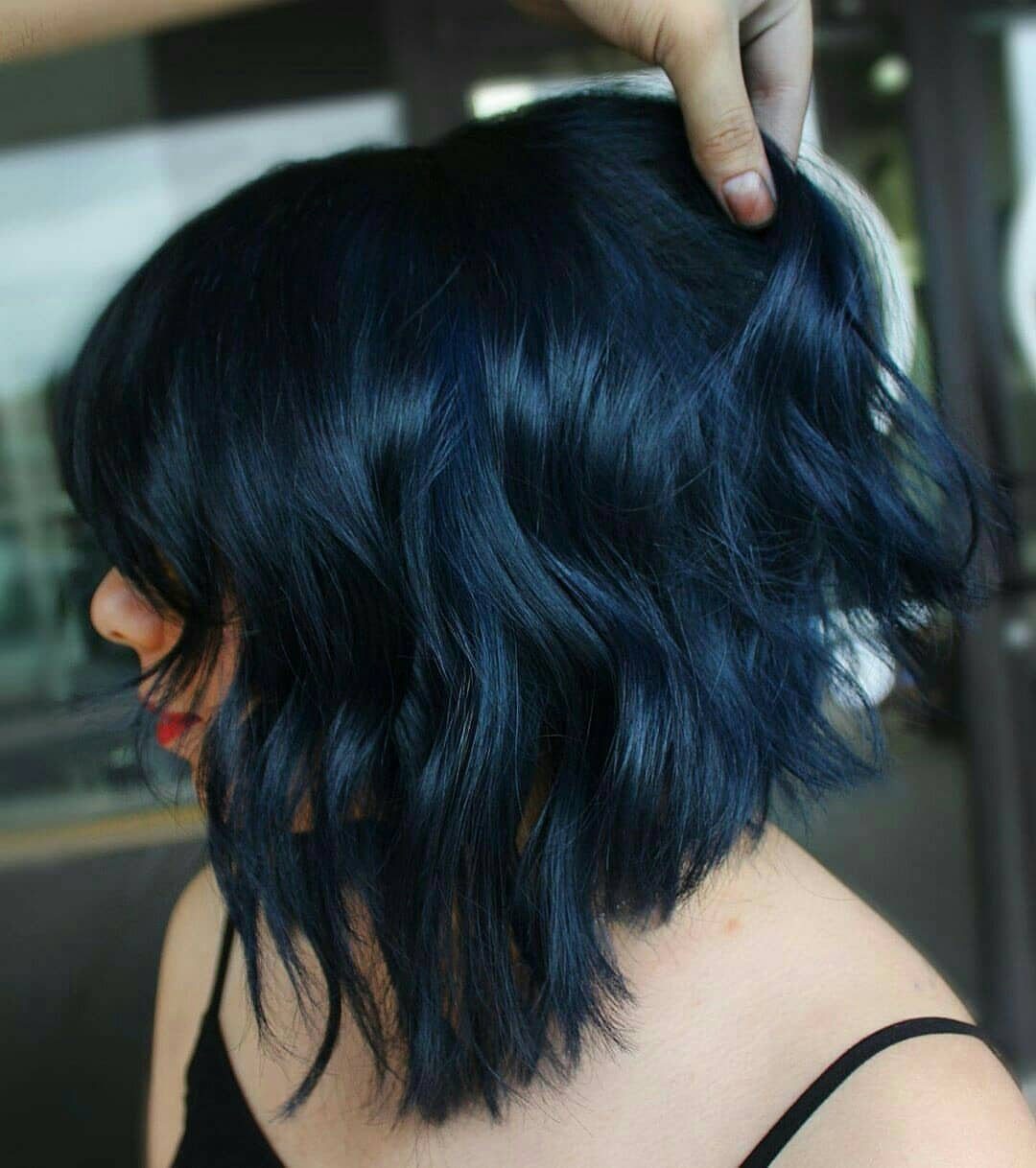
Black hair with a cool blue cast looks flat indoors and glossy in sunlight, which is why blue-black is such a good choice for people who want dark hair without the dullness of plain black.
Wavy hair shows the shine well, since each curve picks up its own flash of blue.
Blue-black suits anyone after a rich, polished look with little styling effort. A gloss-friendly routine helps, and sulfate-free shampoo is a sensible habit for any dark shade you want to keep looking deep.
6. Ombré
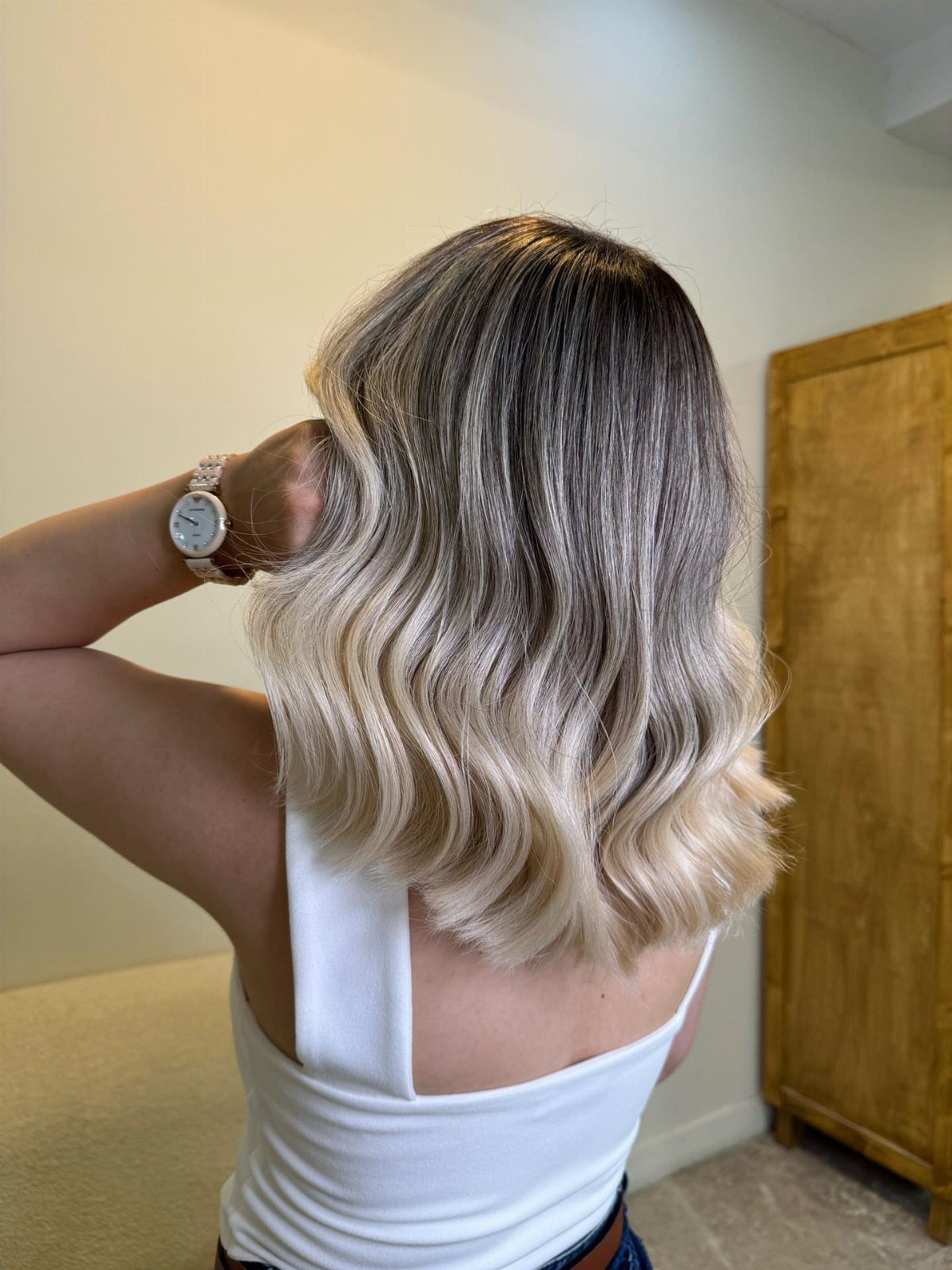
Ombré keeps the roots dark and lets the length fade to light blonde, so the shift happens low, in one long gradient. Unlike balayage, the change is meant to be seen.
I find it the easiest color to live with if you hate root touch-ups, since the dark top is simply your natural base.
Waves spread an ombré gradient out softly, while straight hair shows the transition as a tighter band, so wavy or loosely curled hair gives the most blended result.
Ask for a smooth blend with no hard stripe where dark meets light. Ends that are lightened this much need regular conditioning treatments.
7. Ash Gray Hair Color
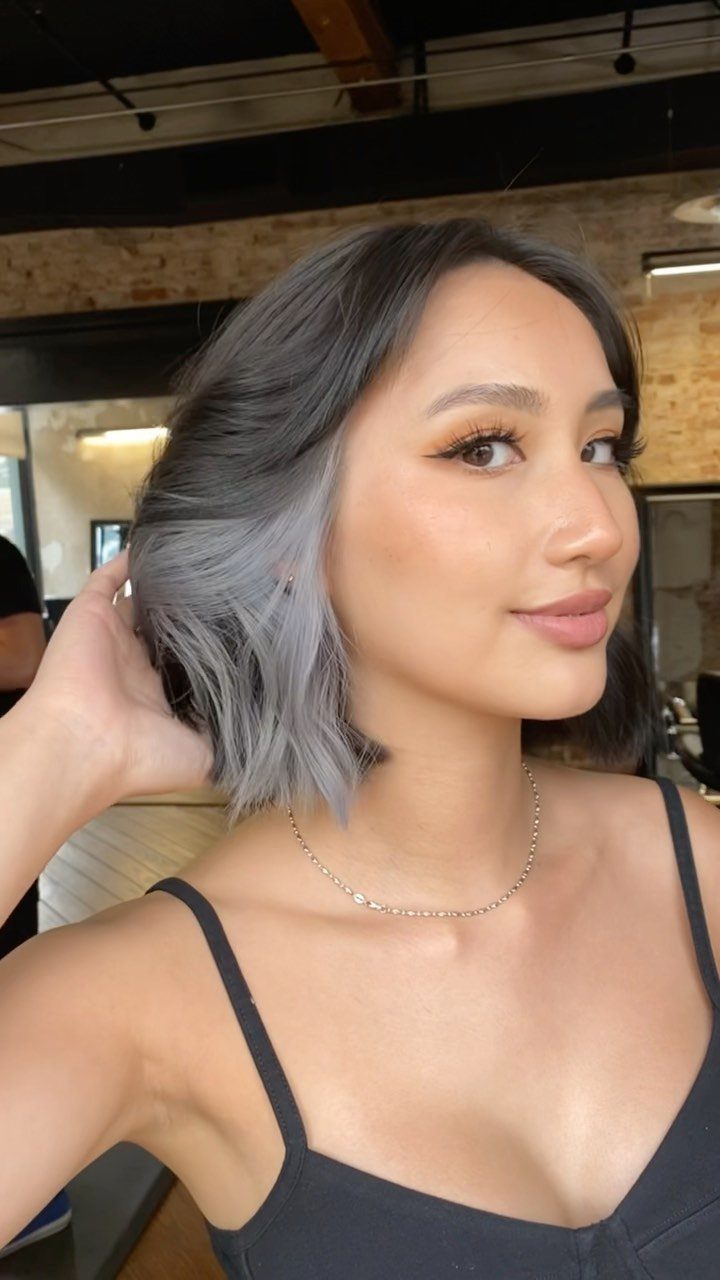
Ash gray works best when the warmth is under control, and that is a toning question more than a lightening one. The stylist behind this example used Silk Lift Ash to keep brassy tones in check.
Short, wavy hair like this lets the cool shade read clearly against a black top and gold jewelry. Ask your stylist how they plan to manage warmth, since gray that drifts yellow loses its point.
8. Copper Hair Color
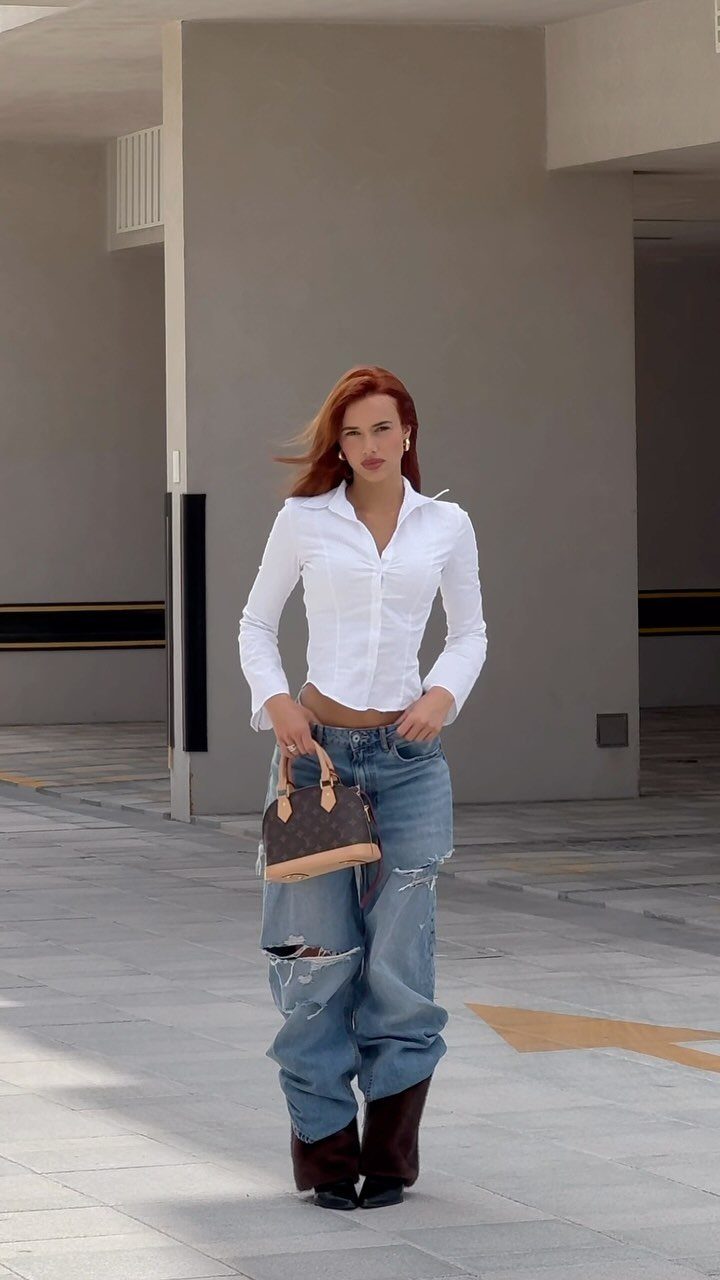
Copper is the color for warmth that reads from across a street. Against a white shirt and blue denim, the orange-red tone looks bright without clashing.
I would choose it over a subtle brown when you want a clear change. Bring a photo to the salon, because copper runs from nearly red to nearly gold, and "copper" alone leaves a lot of room for misunderstanding.
9. Chocolate Hair Color
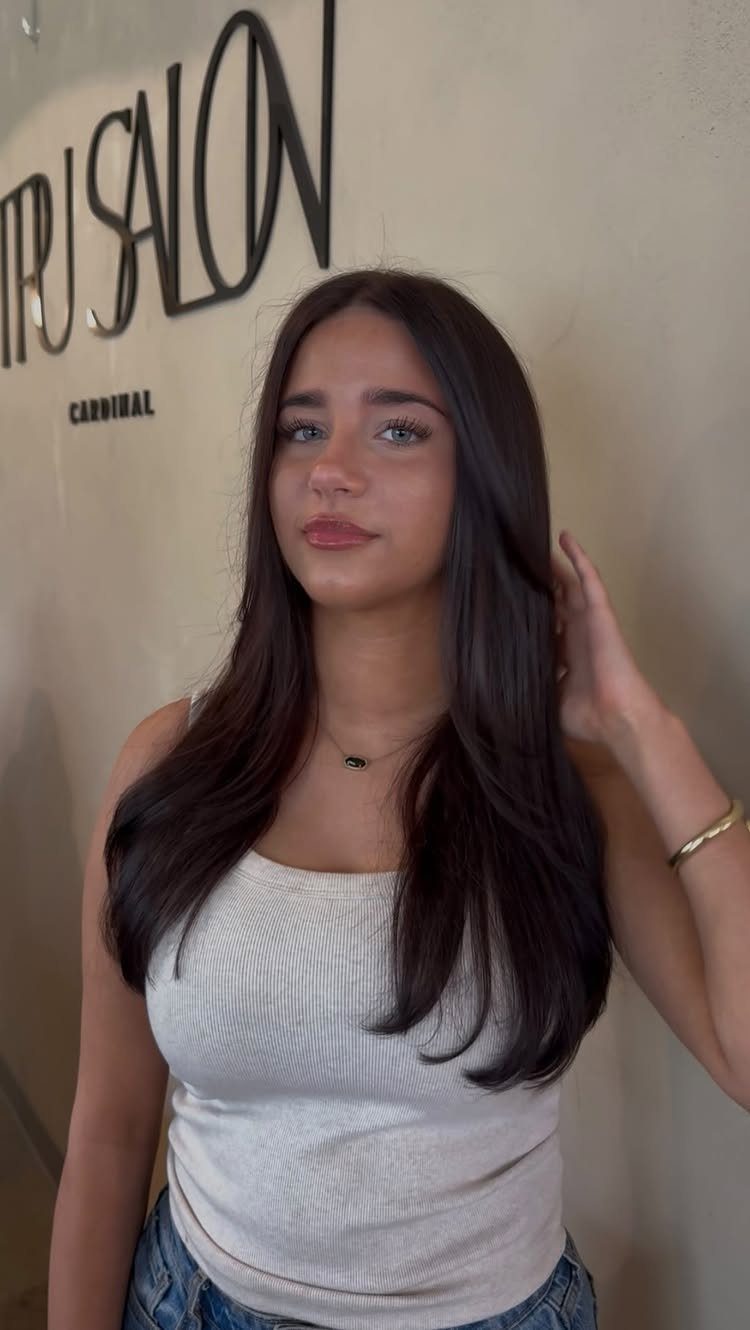
Chocolate brown is the shade I reach for when someone wants dark hair that still looks soft. It sits between black and light brown, so it avoids the harshness of one and the upkeep of the other.
On long hair, the depth looks glossy and full. Ask for a brown with some warmth rather than a flat, single-tone dark shade.
10. Rainbow Hair
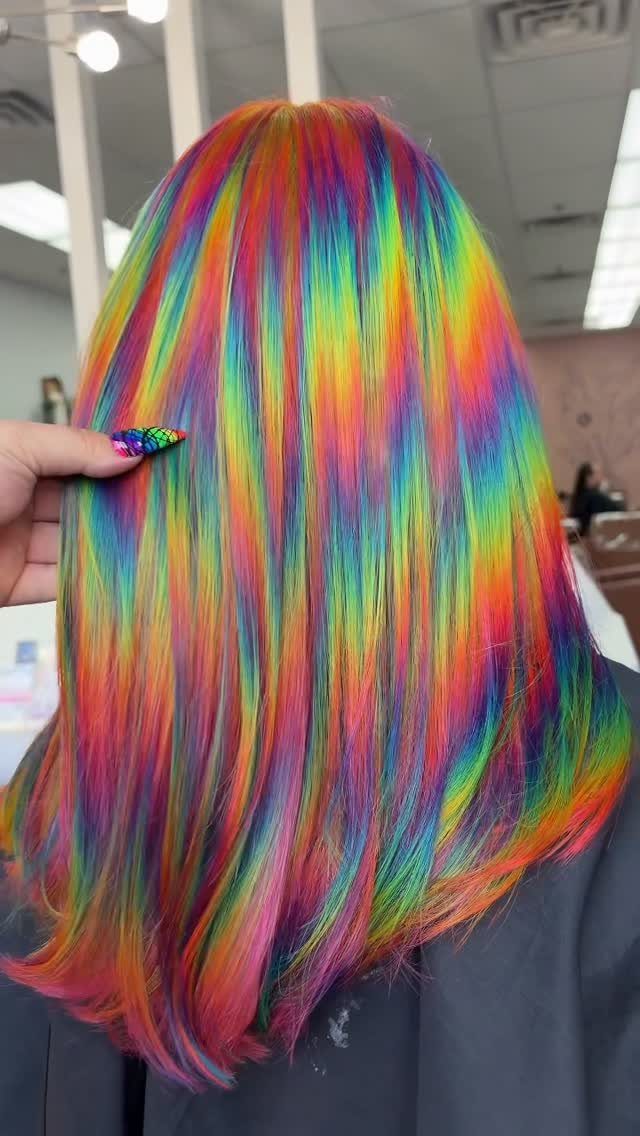
Rainbow hair means a full spectrum in one head of hair, and straight, shoulder-length cuts like this one give each color its own clean band to show.
It is the loudest idea on this list, so be realistic about the commitment. Ask your stylist how the colors will be placed, and decide in advance which shades you want next to each other.
11. Fashion Colors Hair Color
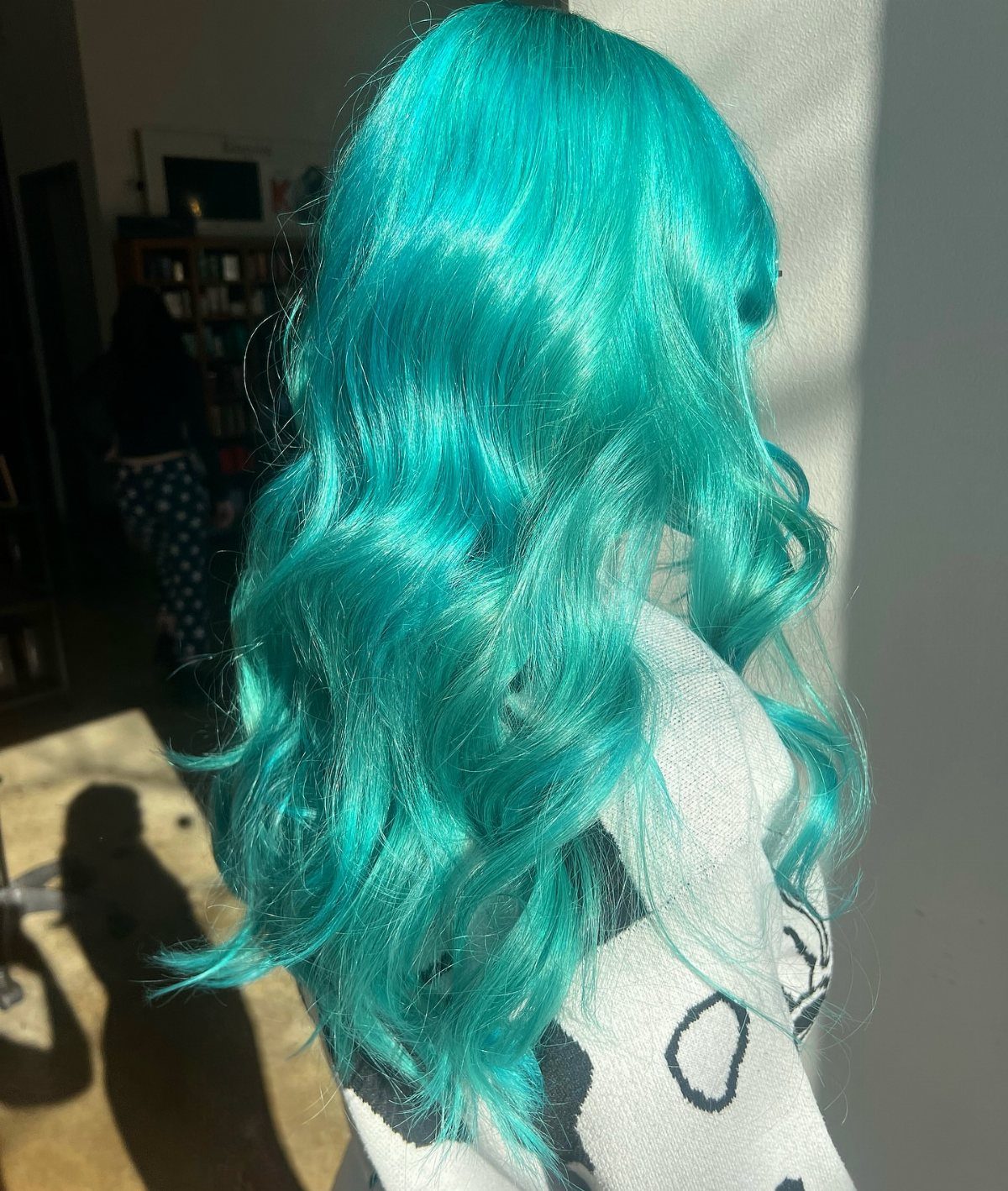
Fashion colors cover any shade that hair never grows naturally, and turquoise blue is a strong example. Long, wavy hair gives it movement, and sunlight shows off the brightness.
I would choose this route only if you enjoy being noticed. Pick one shade rather than several, and show your stylist exactly which blue-green you mean.
12. Strawberry Blonde Hair Color
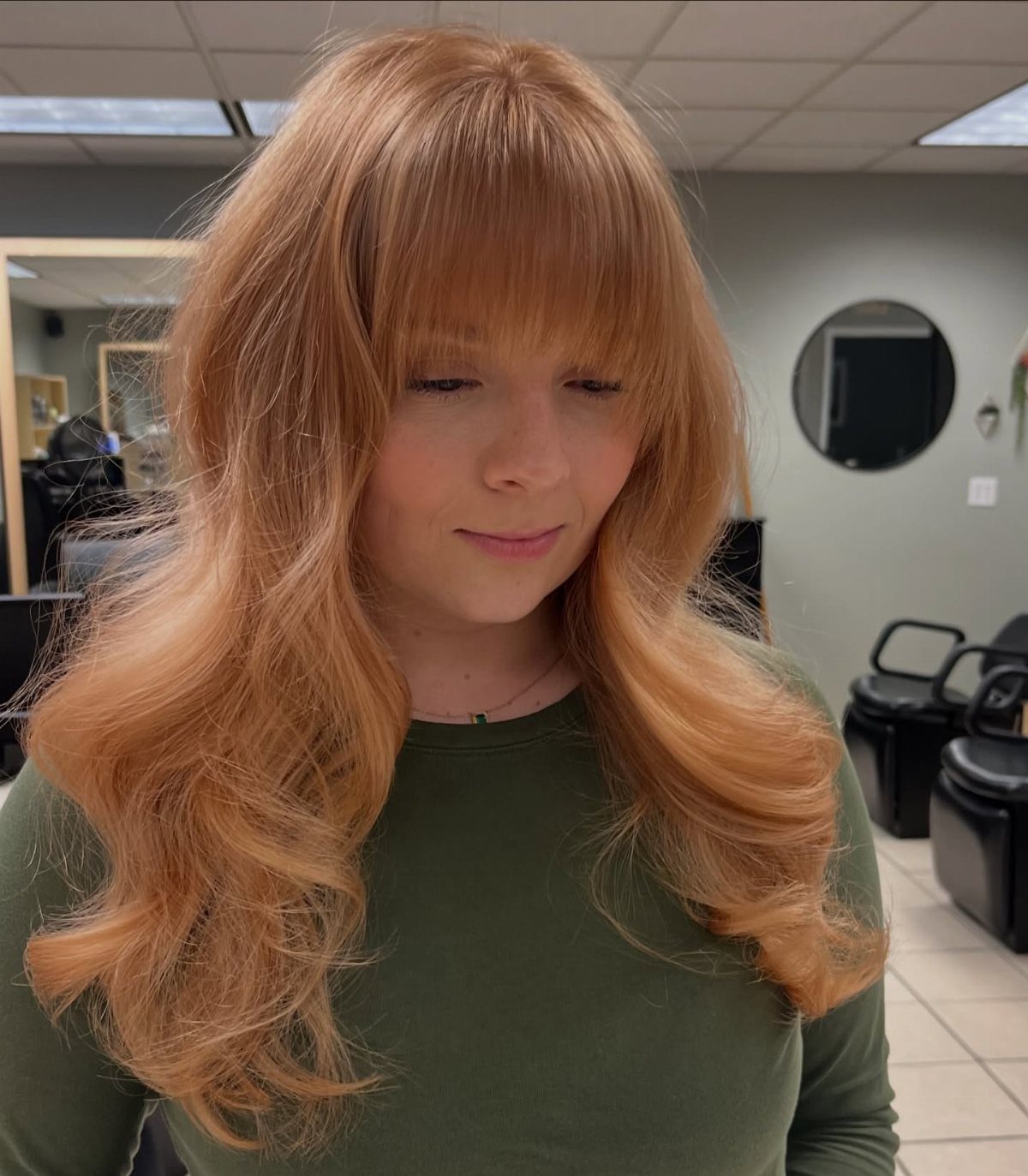
Strawberry blonde is blonde with a pinkish warmth, which makes it softer than copper and warmer than plain gold. Long waves and bangs, as here, keep the shade looking light and easy.
Strawberry blonde fits a gentle change better than a dramatic one. Ask for a pink-leaning tone, and mention it clearly, since stylists can read "strawberry" as either blonde or red.
Choosing the Right Hair Color
Undertone matters more than the color name on the swatch. Check your wrist in daylight: greenish veins usually point to warm, bluish ones to cool, and a mix of both suggests neutral.
Warm undertones look best in golden or honey blonde, caramel or mahogany brunettes, and reds like scarlet and russet.
A pale, icy shade on the wrong complexion can drain the color from your face and make skin look flat or tired.
If your skin leans cool (pink, rosy or blue-ish), platinum blonde, ash brown and cool-toned reds are the shades I’d try first.
Neutral undertones have the most freedom. Buttery blonde and chocolate brown both work, so you can lean warm or cool depending on your eyes and natural color.
Maintenance and Upkeep
Before choosing a shade, think about how often you’re willing to sit in a salon chair and what you’ll do at home.
A color that looks great on day one but needs constant care is a poor fit for a quality-over-quantity routine.
Permanent color means managing roots. Bright, vivid colors need a touch-up often, and cool shades tend to turn brassy and warm as they fade.
A semi-permanent color sits on the outside of the strand and never lifts it, so it deposits tone without a long-term commitment and washes out over time.
It typically lasts 10–20 washes, which makes it a good way to try a seasonal shade before committing.
Temporary pigments can transfer onto towels and clothes, so keep light fabrics in mind.
Hair Health Considerations
Your hair’s history decides what color is realistic. Bleached, relaxed, permed, heat-damaged, or repeatedly colored hair can take color unevenly and lose pigment differently, and that box dye from years ago counts too.
Tell your colorist everything. If strength is your worry, ask the colorist for a strand test: it shows how the final shade will look and whether your skin or hair reacts badly to the dye.
Damaged hair can’t be restored to its original structure. Gentle handling, conditioning, regular trims, and avoiding unnecessary overlap of color will make it easier to manage and cut down on further breakage.
Frequently Asked Questions
What are the different types of hair color?
Hair color is sorted by how long it lasts. Temporary color washes out in 1–2 shampoos, semi-permanent lasts roughly 4–12 washes, demi-permanent lasts up to 24 washes, quasi-permanent is a professional hybrid, and permanent color lasts longest but needs root touch-ups.
What is the difference between balayage and ombré?
Balayage is hand-painted across the surface for a soft, blended glow; ombré leaves the roots dark and fades only the lower lengths to a light blonde.
Ombré is meant to be seen as one long gradient. A dark top also means less rush on root appointments, since the regrowth just looks like your natural base.






