The list runs from an Afro Kinky Puff or a Protective Updo you can pin up on a rushed morning to Fulani Braids, where the longer appointment goes to a set pattern.
How much handling and upkeep your week allows should decide it: most braided and twisted sets, like Box Braids, Senegalese Twists or Crochet Braids, hold for about 4–8 weeks, so pick the one you will actually maintain and still find comfortable at the scalp.
Tight, stinging edges mean the style is pulling too hard, and that rules it out no matter how good it looks.
1. Faux Locs
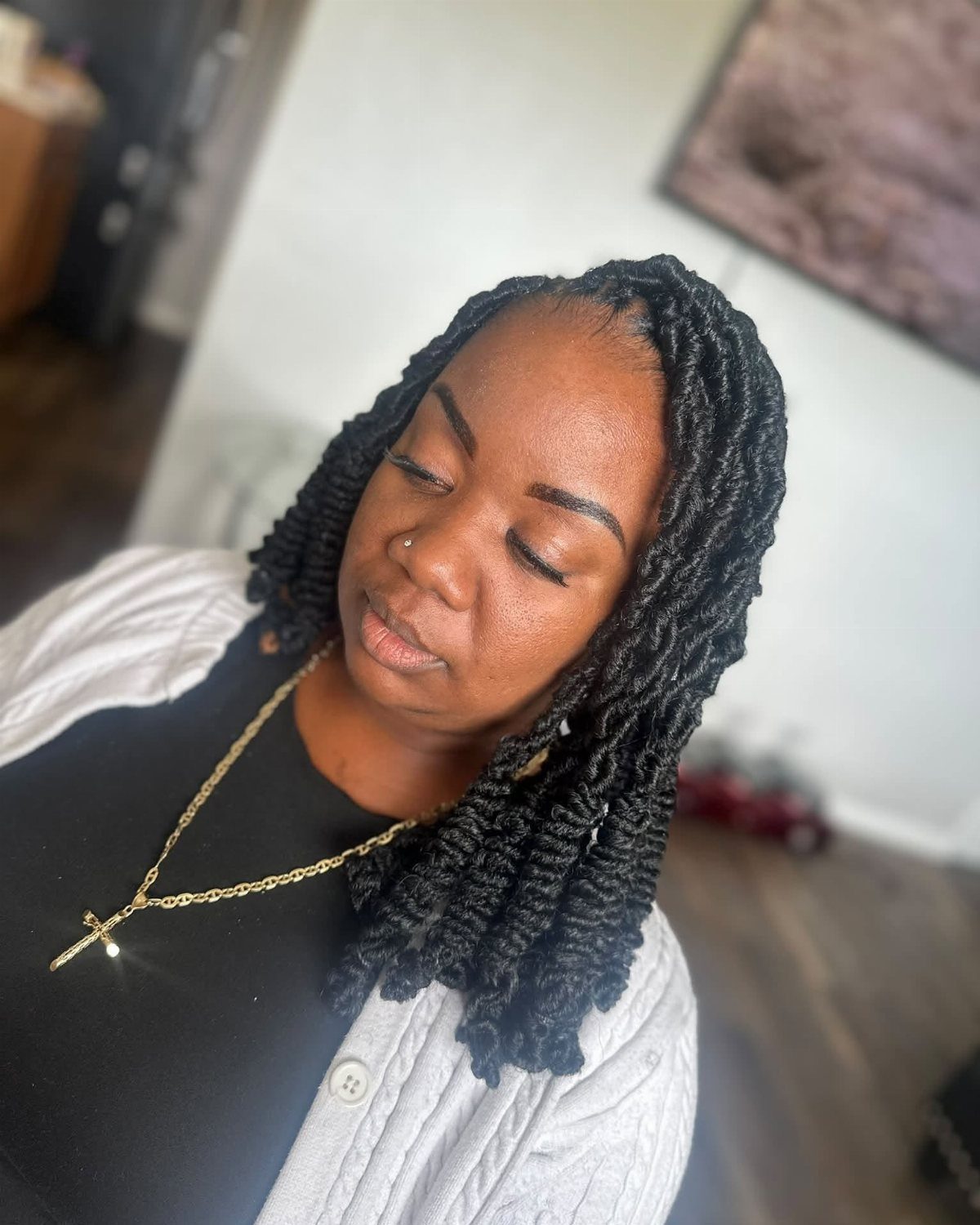
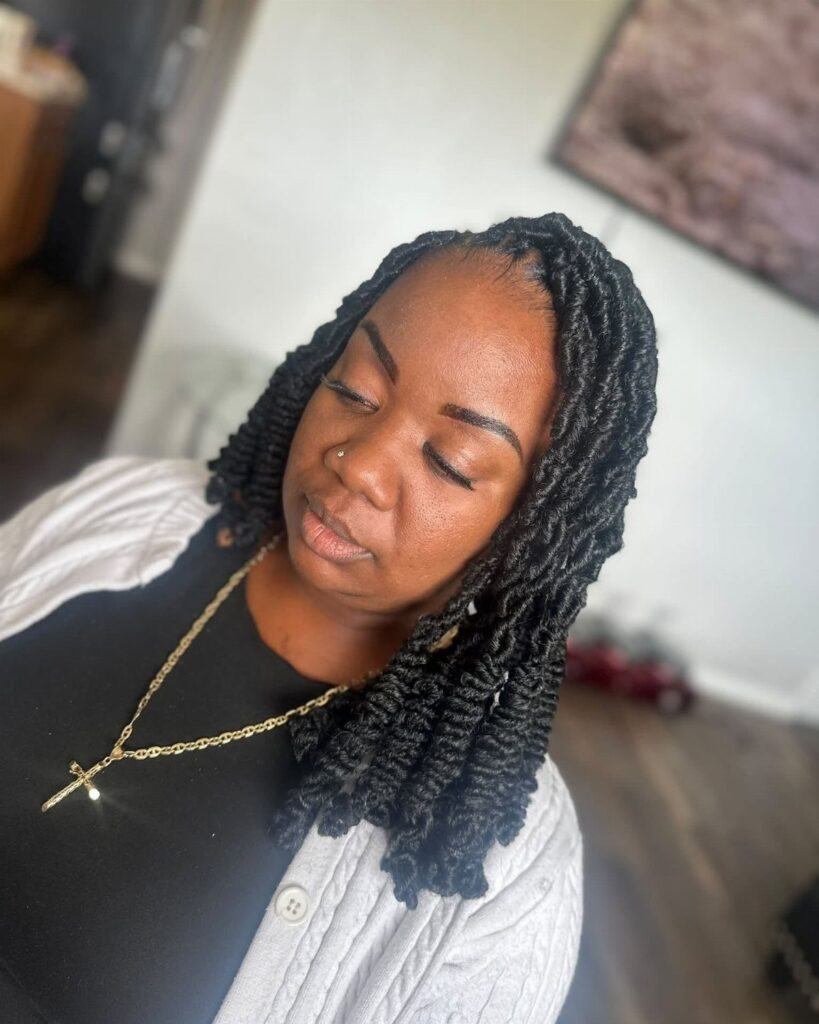
Faux locs deliver the look of locs without the years it takes to grow them, and that shortcut is why most people choose them.
Shoulder length is a practical place to stop: the locs stay light and sit easily against a collar or cardigan.
Because they are temporary, you can test the length and thickness before deciding whether real locs are for you. I would pick this version for a finished, polished look that needs little daily styling.
2. Cornrows
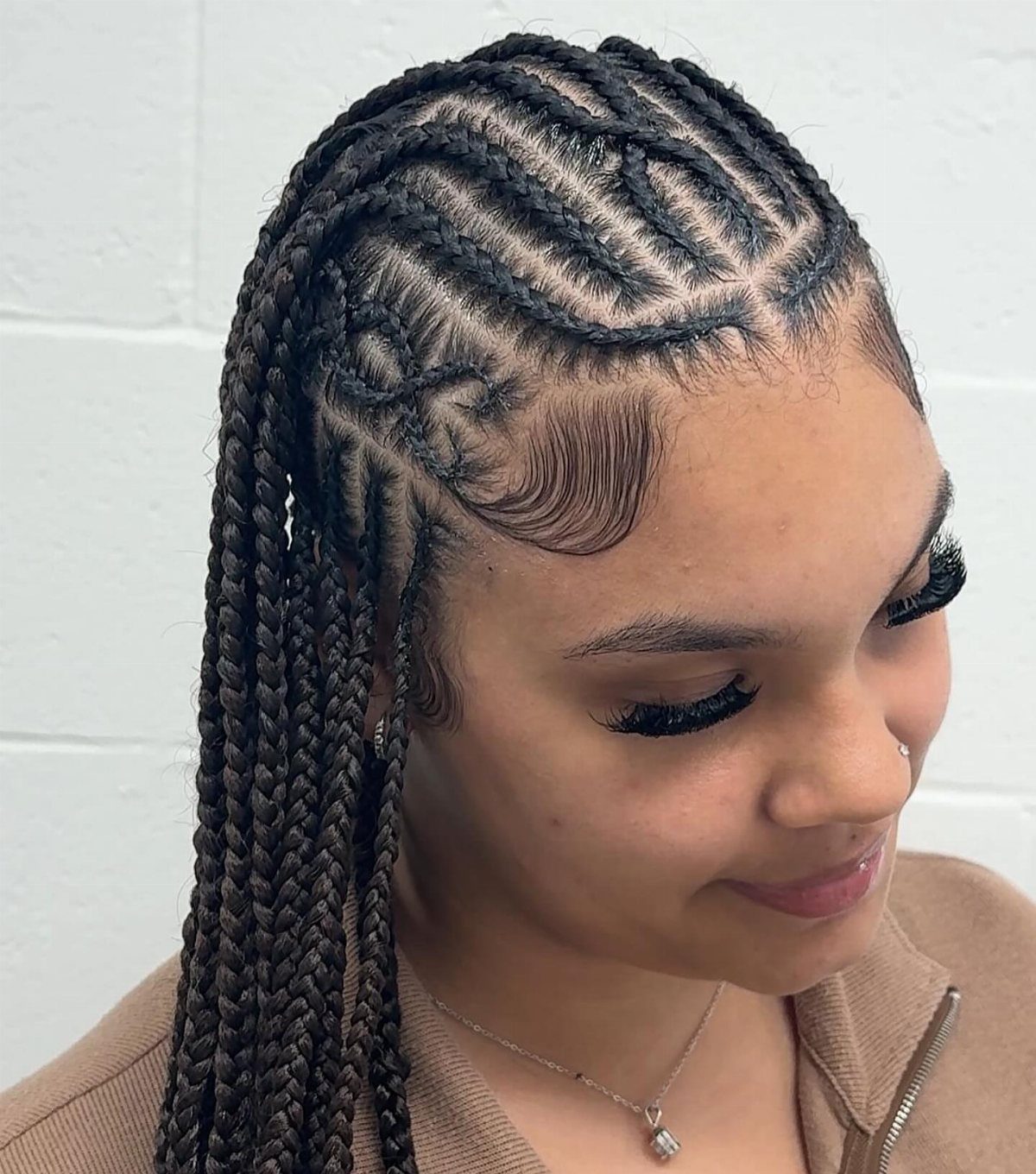
Cornrows are among the oldest protective styles there is, and clean, even parting decides whether they look sharp or sloppy. Straight, even lines with tidy edges read as intentional from across a room.
The version here runs the rows into long braids, which I like because it gives you a clean scalp pattern and length in one style.
Smoothed baby hairs add a sharper finish. Cornrows can go in countless directions, so bring a clear pattern to your stylist.
3. Box Braids
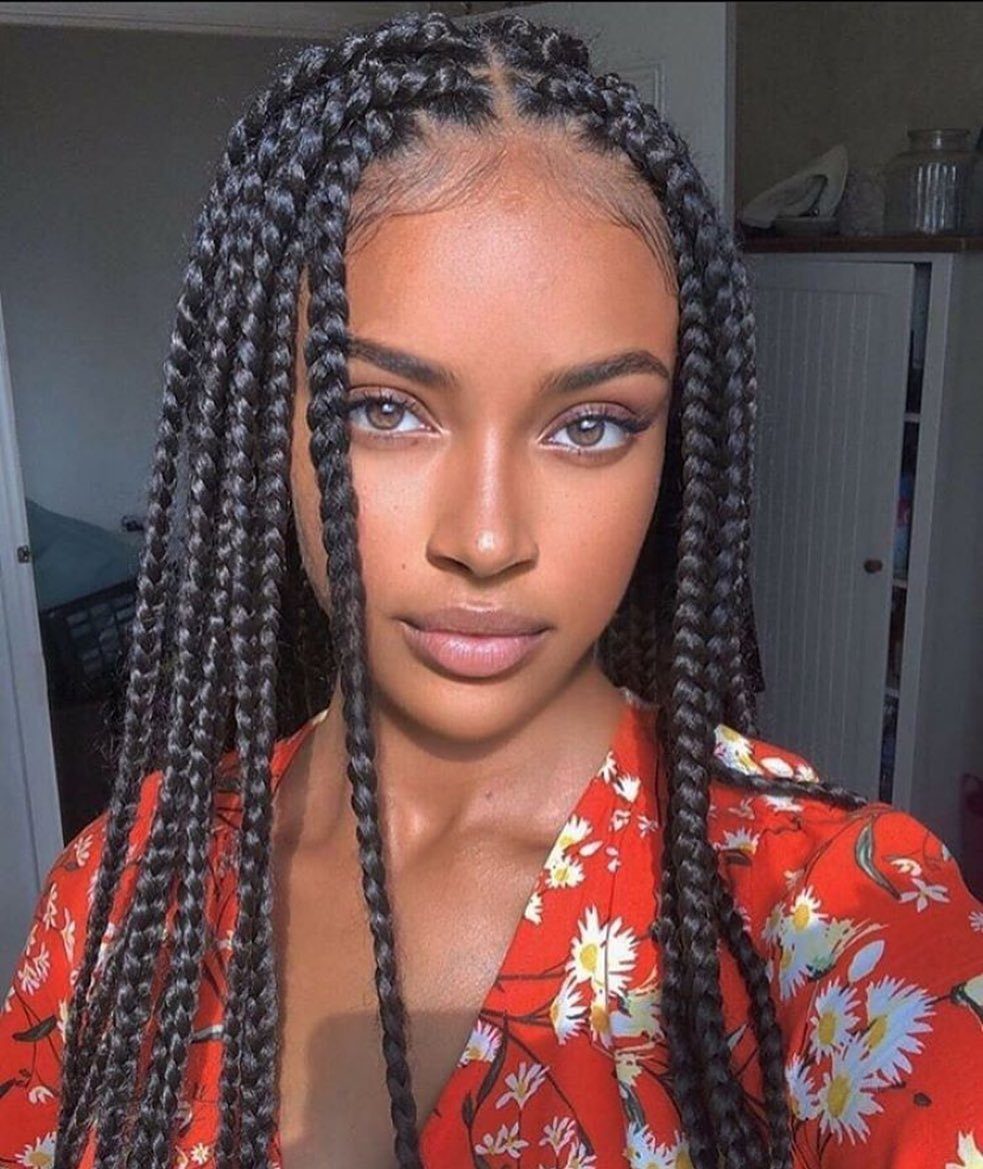
Long black box braids are a classic for good reason: they work with nearly any neckline, print or color. Even a busy floral looks balanced beside them.
Size and length are your 2 decisions. Smaller braids look finer and more detailed, while larger ones feel bolder.
Longer lengths add drama; shorter ones are easier to manage day to day. I would settle on length first, since it changes how the whole look wears.
4. Twists
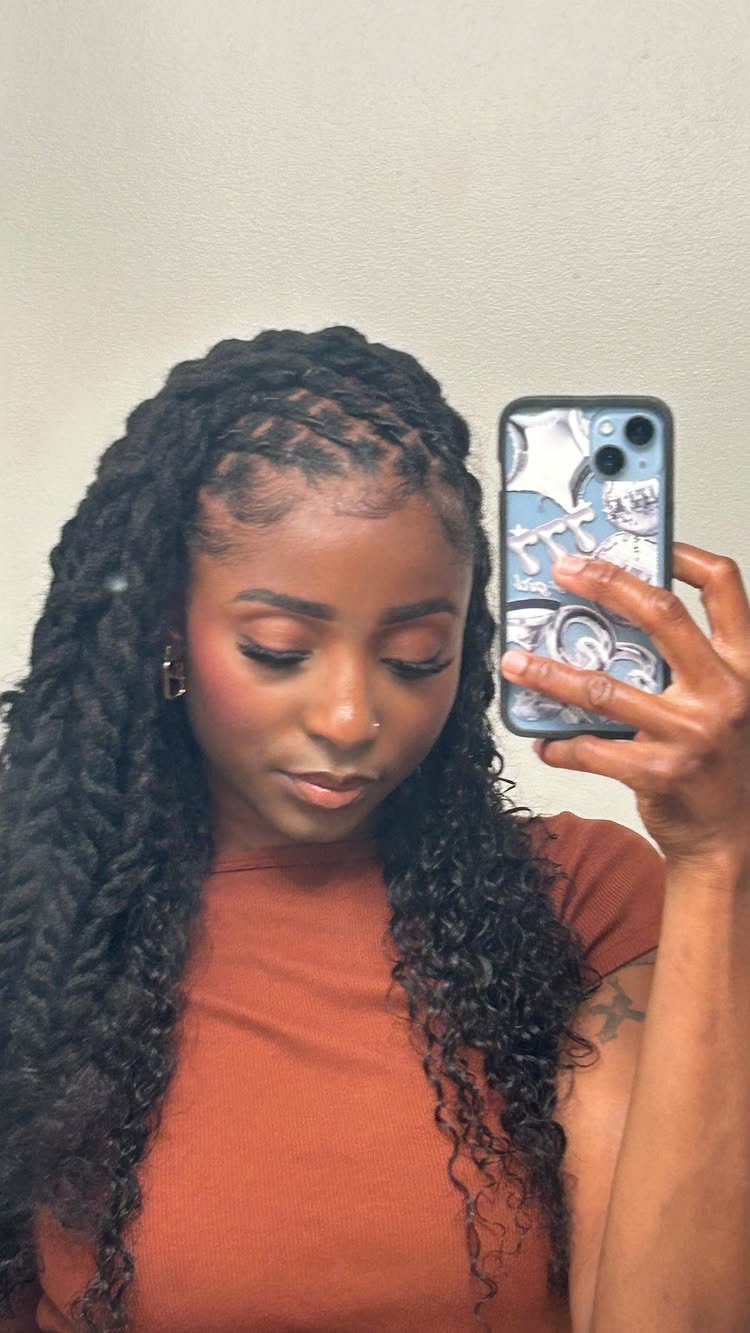
Twists are the softer cousin of braids, with a rounded, natural texture that looks relaxed rather than rigid. Long, curly ends, like the ones here, add movement that braids often lack.
I like them for women who want a protective style that still looks easygoing with a plain tee and jeans. Twists suit casual days and dressier ones alike, so you are not locked into one mood.
5. Bantu Knots
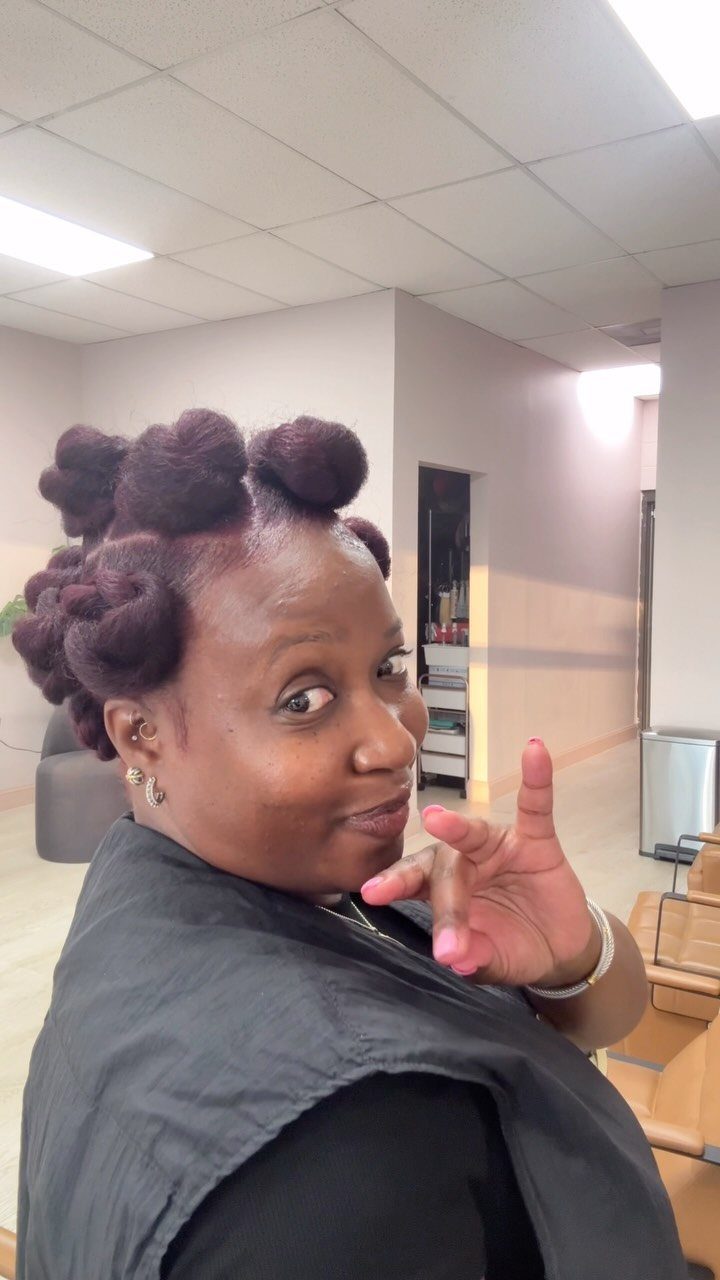
Bantu knots are the boldest option here, each section coiled into a small knot that sits against the head. They are a statement on their own, so keep jewelry and makeup simple.
The extra reward comes when you take them down: the coiled sections release defined curls.
I would wear them for a day or 2 as a look, then undo them for the curls. Neat sections matter, so ask your stylist for even parts.
6. Passion Twists
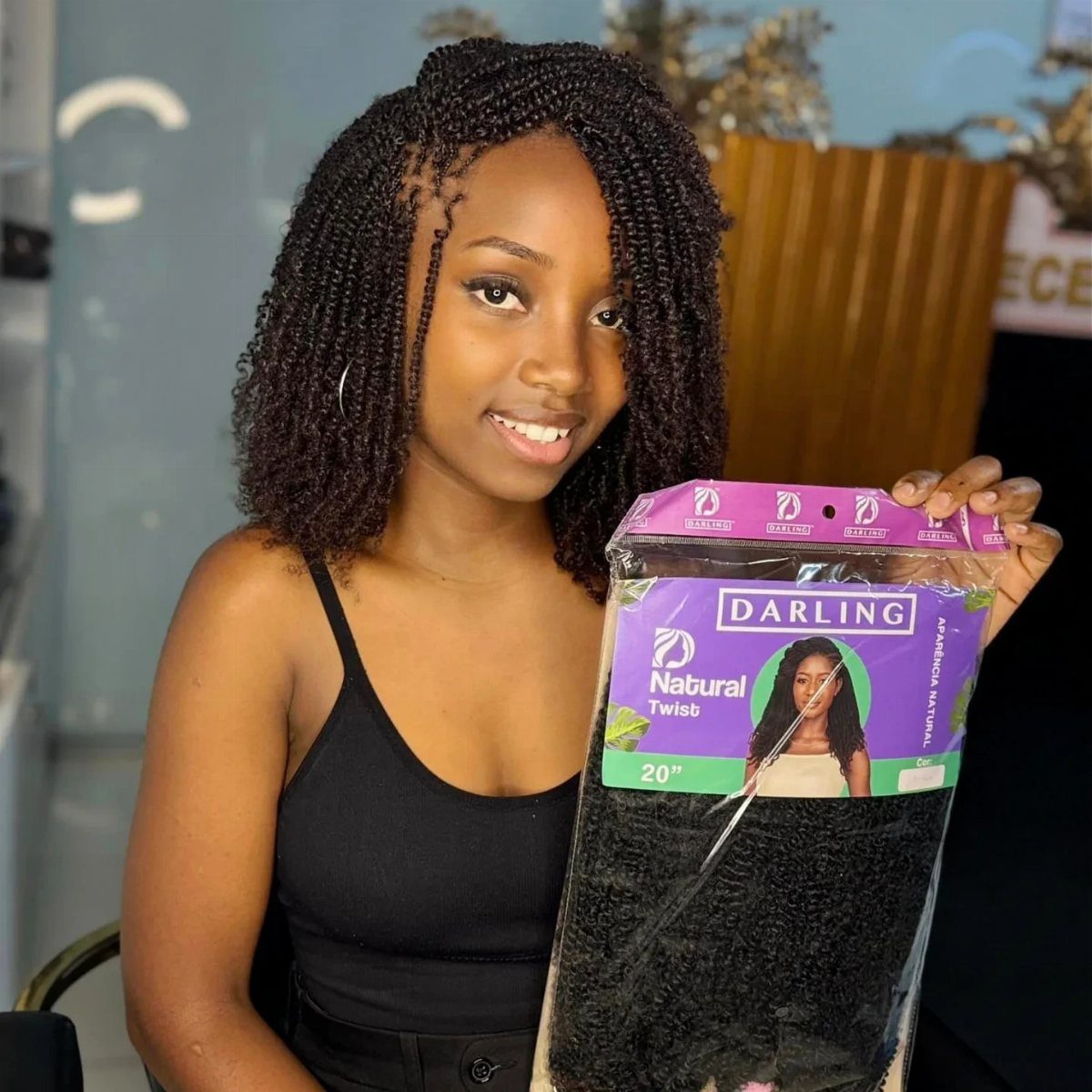
Passion twists have a loose, bohemian feel, with curly, textured ends that look soft instead of sleek. They are light, which makes them a good pick if heavy styles bother you.
Maintenance is easy, and that is why I rank them near the top for busy weeks. Check the packaging before you buy: the hair is sold as pre-made twist extensions, so confirm the type with your stylist before the appointment.
7. Protective Updo
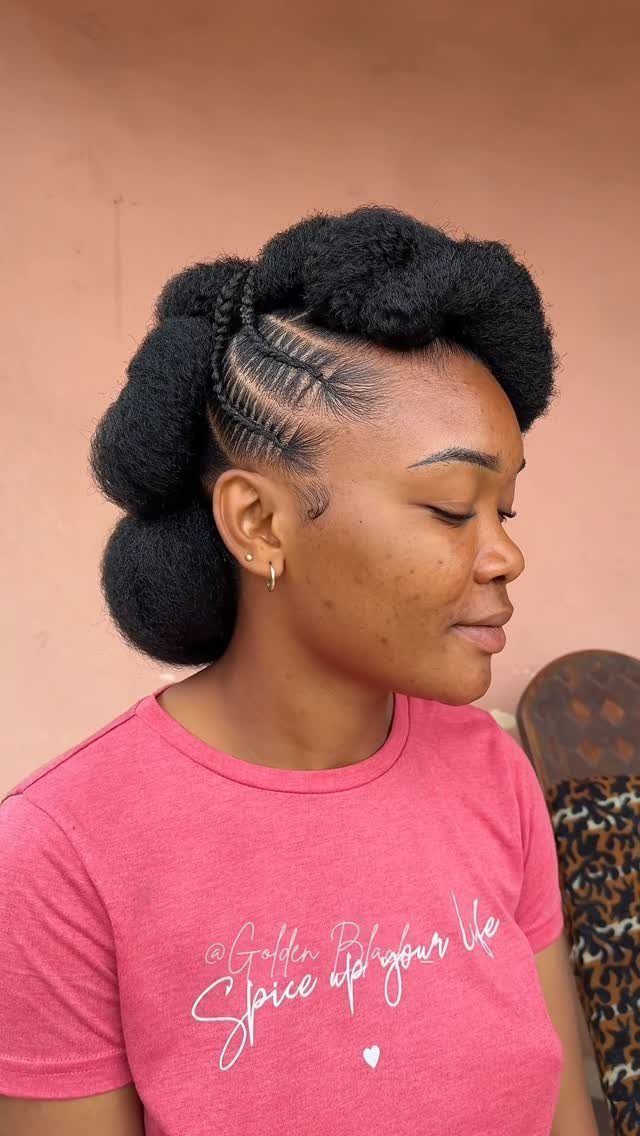
Pinning the hair up and off the neck and shoulders keeps the ends tucked away, so collars and scarves can’t rub or snag them.
Cornrows laid flat at the front with voluminous puffs on top give you a structured base and a soft, rounded finish in one style.
Ask your stylist for even, clean rows, since they set the tone for the puffs above them.
8. Knotless Braids
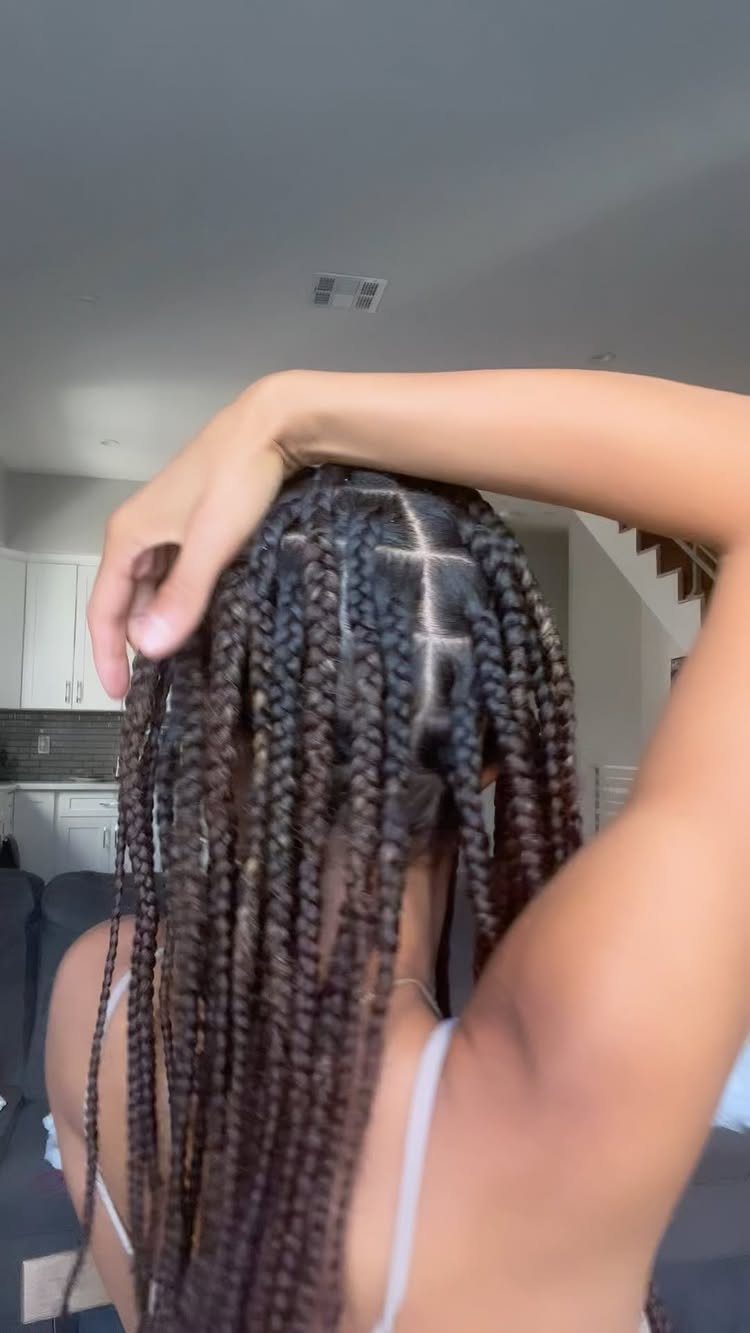
Knotless braids start with the natural hair and feed in extension hair gradually, so there is no bulky knot at the root. That makes them a gentler alternative to traditional braids, with less tension on the scalp.
Long, dark brown braids with neat square parts look polished and sit flat at the roots.
I would choose this over classic box braids if your scalp is sensitive. Square parts take a skilled hand, so look at a stylist’s past work before booking.
9. Afro Kinky Puff
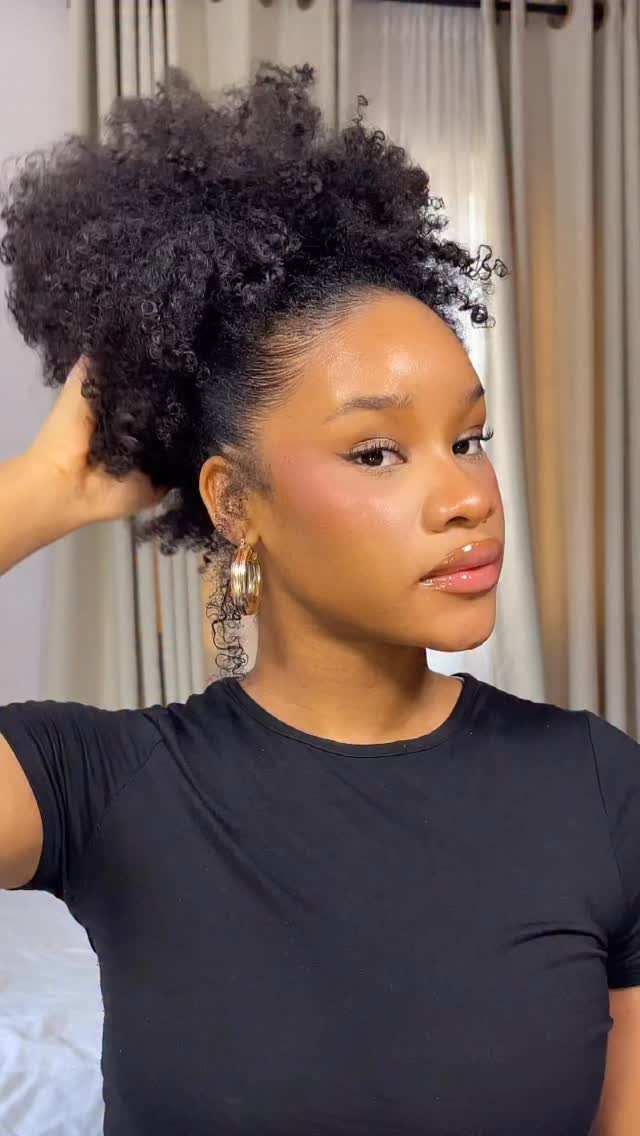
Gathering the hair into a high puff is about as simple as a protective style gets, and it still looks classy. Pair it with gold hoops and a plain black tee, and nothing else needs to be added.
Because the hair is pulled up and off the neck, the ends stay tucked inside the puff.
I would reach for this on rushed mornings. It will not give you the long-wear convenience of braids, so treat it as an everyday option.
10. Fulani Braids
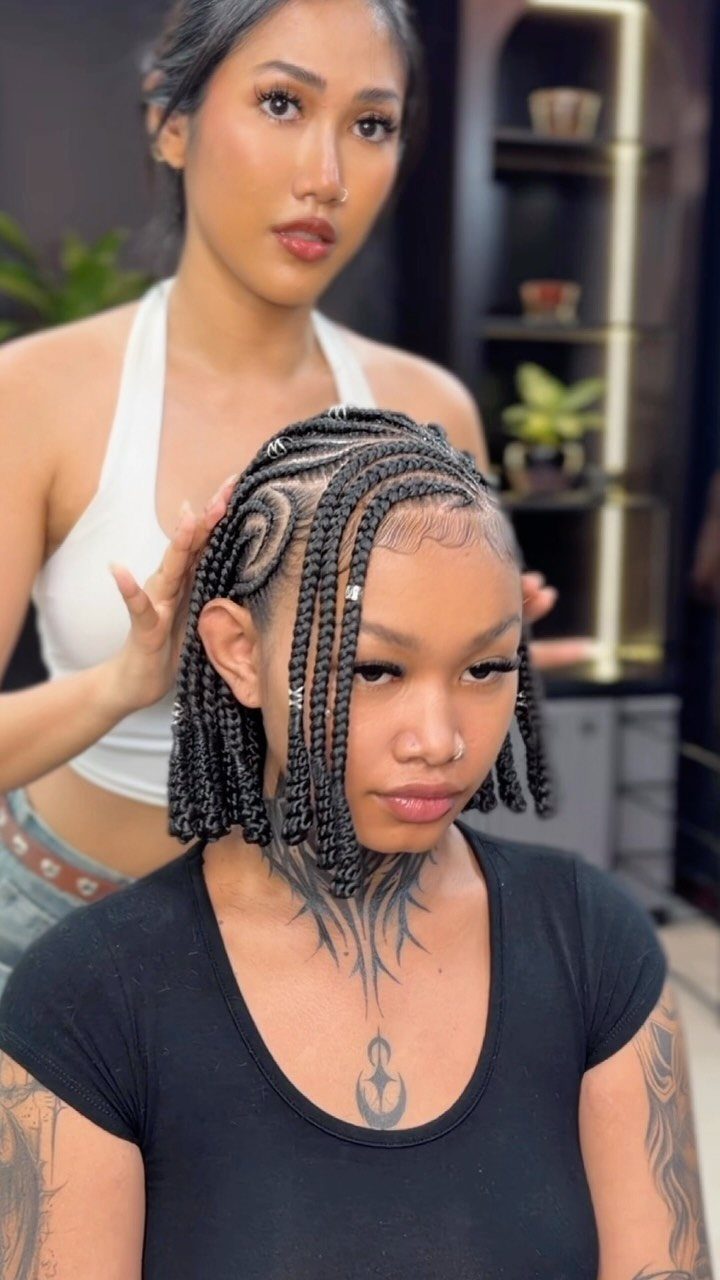
Fulani braids are a West African style, detailed and decorative, with braids running along the head in a set pattern.
Fulani braids live or die by their pattern, so bring a clear reference photo to your stylist and settle the design before the first part is made.
I like them for anyone who wants a protective style with real character.
Expect a longer appointment than with simple braids, since the detail takes time. Black braids keep the pattern crisp and easy to read.
11. Crochet Braids
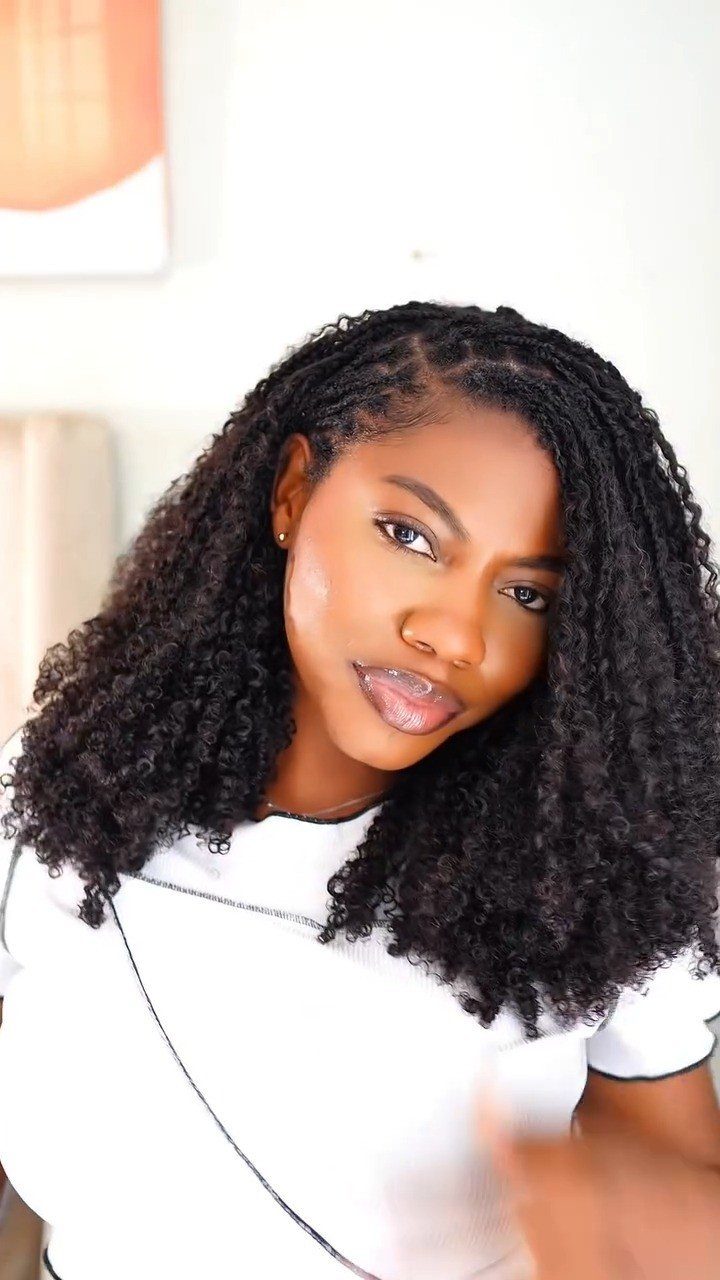
Crochet braids are installed by looping pre-made hair onto cornrowed natural hair with a hook, which is why they go in quickly. Crochet braids give you a fresh look in far less time than braiding every section in the chair.
Long, curly black hair gives full volume and a soft, natural texture.
For frequent changes, I would pick this style: swapping the crochet hair is much easier than redoing a full set of braids. Confirm the hair type with your stylist first.
12. Senegalese Twists
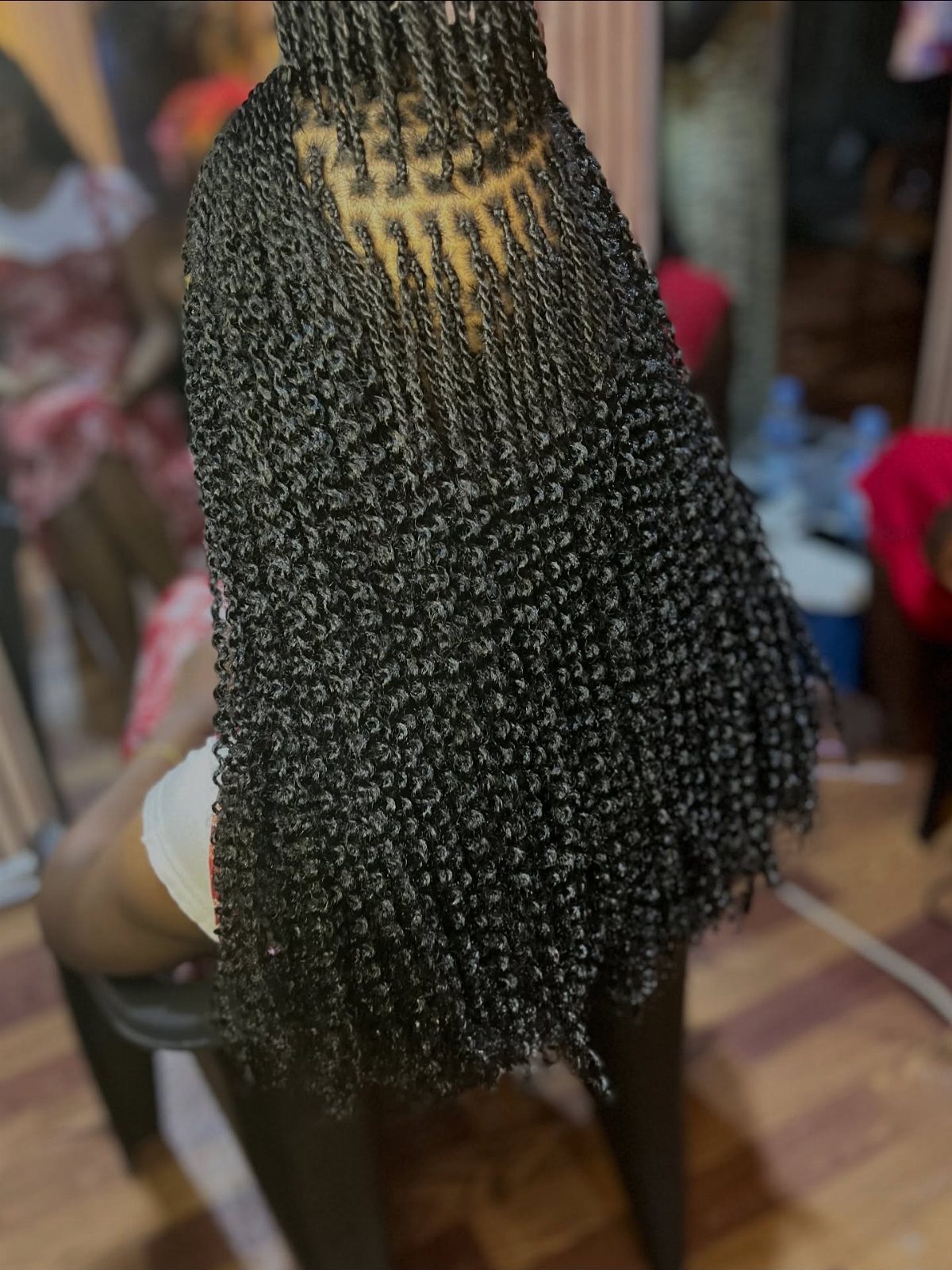
Senegalese twists are two-strand twists made with extension hair, and they hang smooth and rope-like instead of fluffy.
They are a classic I come back to when I want a sleek, uniform finish.
The length adds weight, so go shorter if you prefer something lighter. They look neat enough for the office and still work for evening, with very little daily upkeep.
13. Goddess Locs
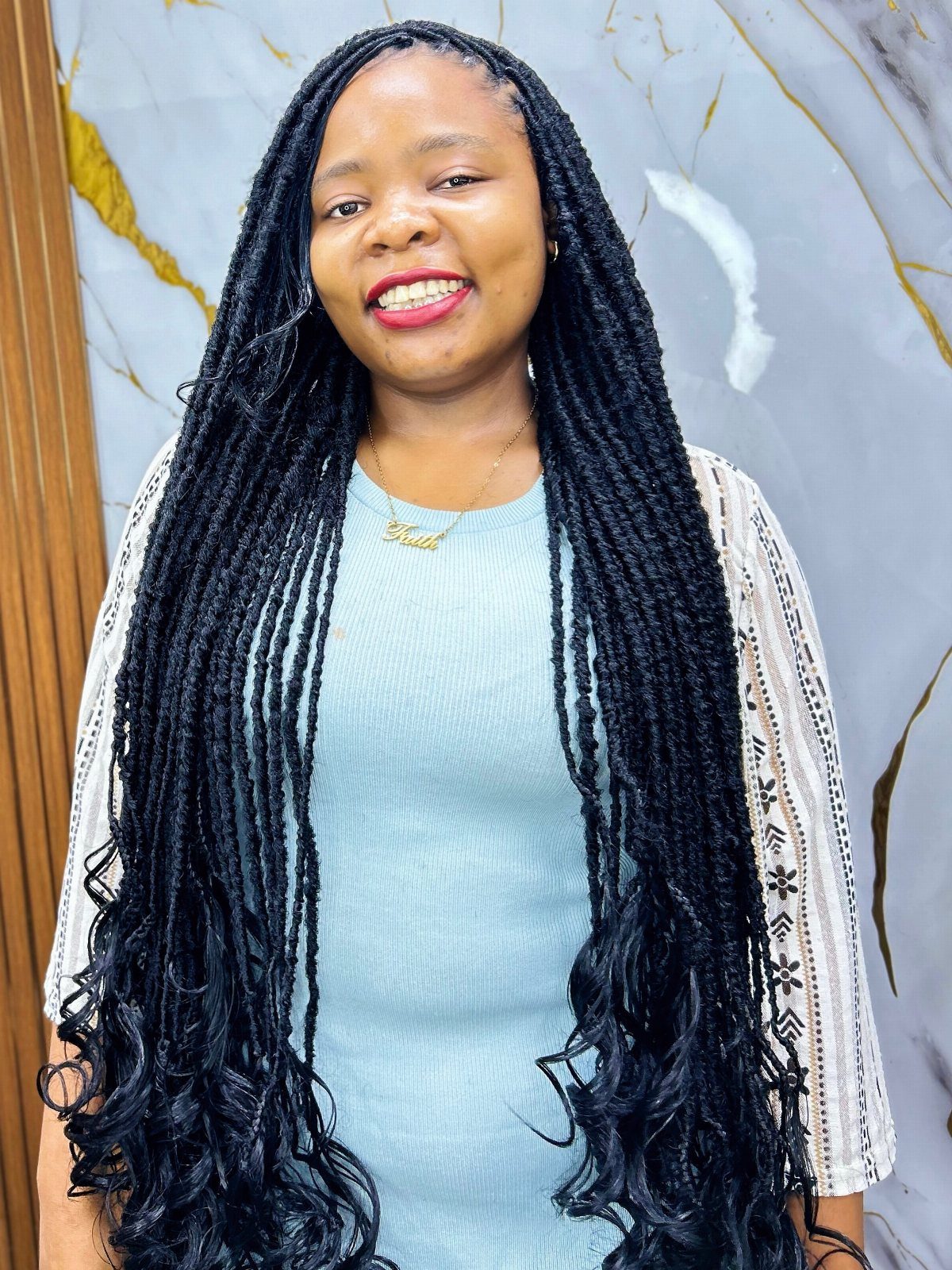
Goddess locs are the relaxed cousin of faux locs: some strands are left loose and curly at the ends, so the look feels soft instead of blunt.
Long black locs with curly ends, like these, move easily and work with a dress or a cardigan.
For a finished style that doesn’t look rigid, I would pick them over standard faux locs. The curly ends are the detail to settle first, so tell your stylist how much curl you want before the appointment.
Benefits of Protective Hairstyles
Protective styles earn their place by cutting daily handling. Every comb stroke, twist-out and heat session stresses the strand, so a style that stays put for weeks gives breakage less chances to start.
Tucked ends hold moisture better, and that is where length is usually lost. Length retention is what looks like growth, since hair that breaks off at the ends never gets to show how much it grew.
Weather matters too.
Sun, cold and heat all dry hair out, which is why these styles are popular in summer and winter alike. Fewer heat tools means less damage on top of that.
A style that pulls on your hairline defeats the purpose, so comfort at install counts as much as the look.
Caring for Protective Styles
A light oil like jojoba or a water-based leave-in spray, worked onto the scalp a few times a week, keeps the skin under your braids from drying out and flaking.
A little goes a long way, since heavy layers cause buildup.
A braided or twisted style still collects sweat and product, so I’d cleanse every 2–3 weeks with diluted shampoo applied to the scalp only.
Gels and edge tamers collect on the scalp, so a clarifying treatment at the start of wash day clears that residue. Cleanse gently with your fingertips rather than scrubbing.
Friction at night is what frizzes a style fastest, so a satin bonnet, a silk scarf, or a silk pillowcase is worth the few dollars.
Cotton friction roughs up the surface, which brings frizz and flyaways that shorten the life of the style.
Tight, stinging edges mean the style is pulling too hard, so speak up while the stylist is still working, because ongoing tension can lead to traction alopecia.
Most protective styles hold up for about 4–8 weeks at most, and leaving them in longer invites tangles, buildup, and breakage at the roots.
Choosing the Right Style
Start with what your hair needs, then add your length, your schedule and your taste. No single style is best for everyone, and the right one is the one that suits you.
Decide whether you want extensions or your own hair alone. Both can protect, as long as the style cuts down on daily handling.
Be honest about upkeep. A style that saves you time each morning and shields strands from weather, friction and heat will keep working only if you will actually maintain it.
Last, ask yourself how it feels after a day or two. Comfort at the scalp is a better guide than any photo.
When it comes to styling natural hair, the options are endless. But when it comes to protecting your hair from damage, maintaining optimal hydration, and retaining length, it’s all about protective styles.
Frequently Asked Questions
What are some protective styles for natural hair?
Box braids, cornrows, twists, faux locs and knotless braids are the dependable choices.
Each one cuts daily handling, and that is what protects the strands. Knotless braids suit tender scalps best, because the braid starts with a thin section of your own hair and has no hard knot pulling at the root.
Why does black hair need protective styles?
Protective styles cut down on combing, twisting and heat, and each of those stresses the strand and can cause breakage.
Sun, cold and heat dry hair out, so a style that shields it helps in any season. Hair that doesn’t break off can show how much it actually grew.
What are some braided hairstyles for black women?
Box braids, knotless braids, cornrows, Fulani braids and crochet braids are the main braided options. Box braids work with almost any neckline or color, while knotless braids sit flatter at the roots with less scalp tension.
Both styles live or die on crisp parts and a clean pattern, so show your stylist a clear photo before the first section is made. Crochet braids go in fastest, since pre-made hair is looped onto cornrowed natural hair.






