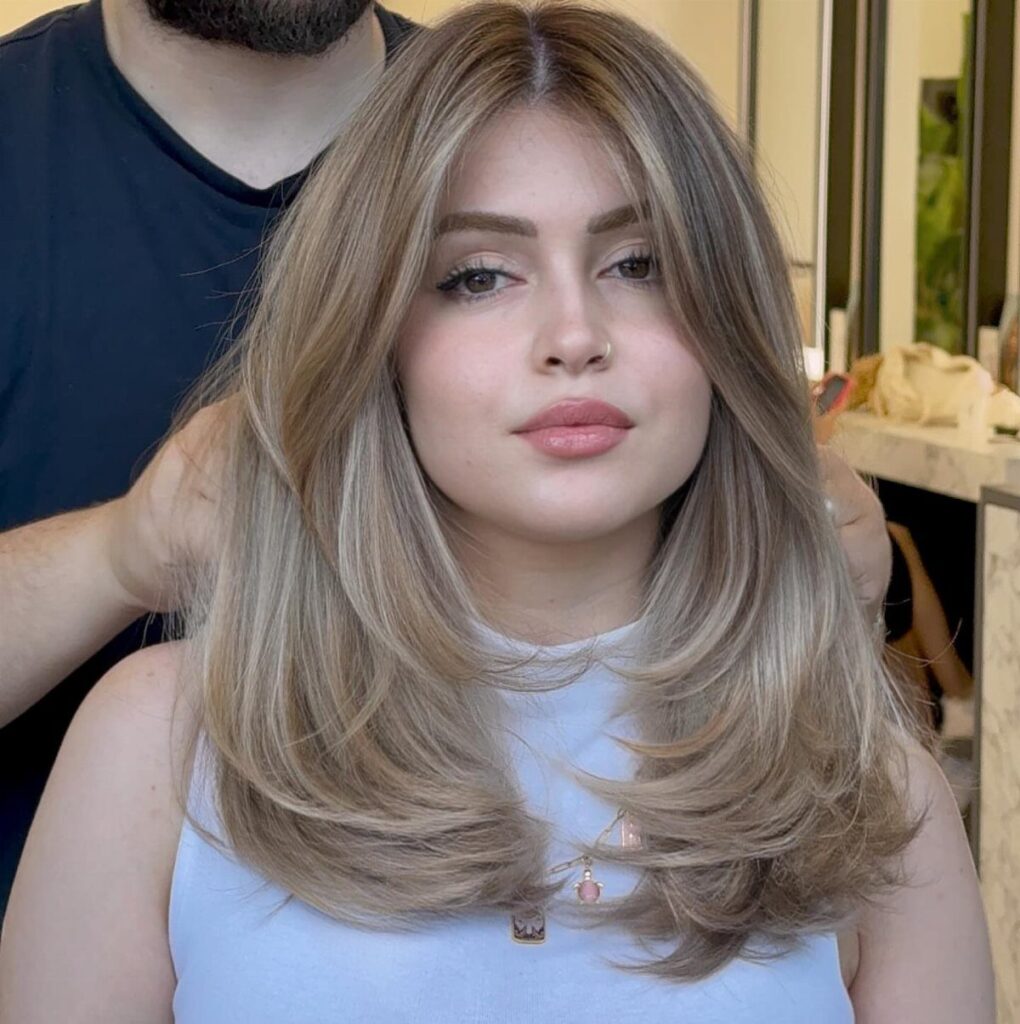
Upkeep may be the quickest way to narrow the list: a hand-painted neutral balayage grows out without a hard root line, while ash blonde and golden blonde both ask for regular salon visits and toner between them.
1. Hair Colors That Enhance Your Eyes
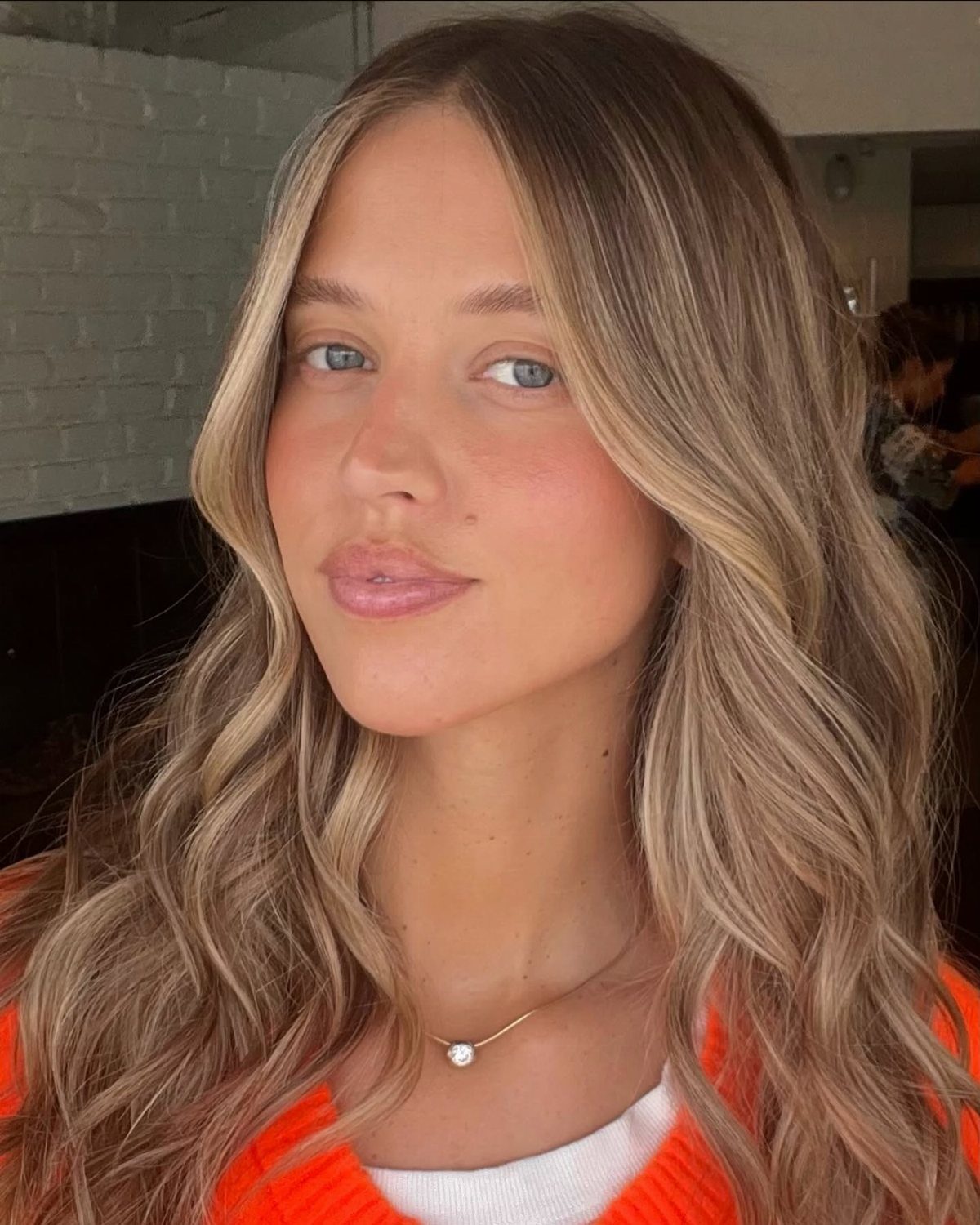
Eye color is a better starting point than a swatch chart.
Blue eyes look brighter against a warm blonde with soft dimension than against one flat, heavy shade, because the lighter strands near the face pick up the color of the iris.
Decide how much upkeep you will tolerate before you pick.
Highlights that melt into your natural root grow out gently, while an all-over lift means regular salon visits. I would choose the softer route and ask the colorist to hold the root a touch deeper.
2. Black-brown Hair
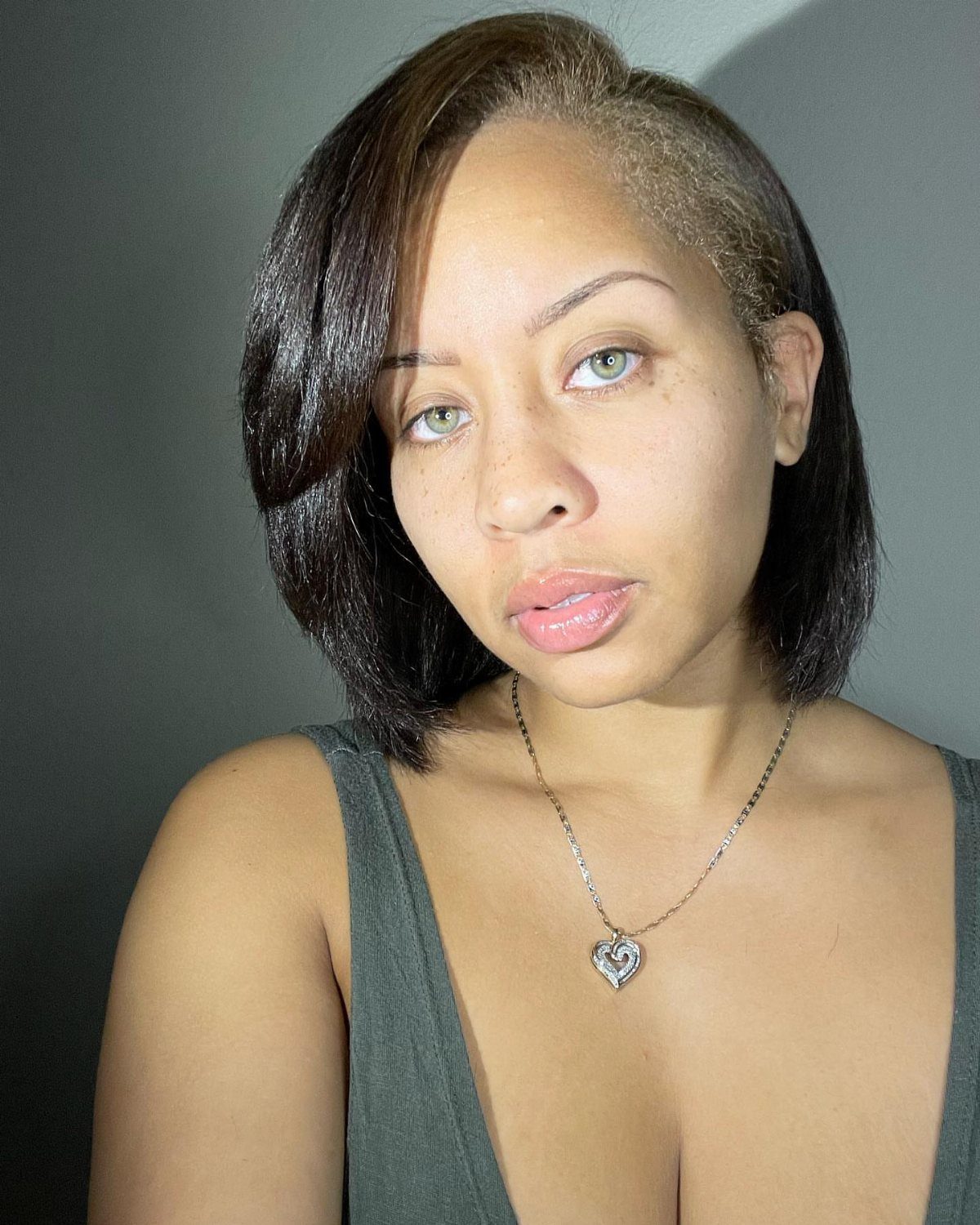
Black-brown suits the woman who keeps eyeing black hair but flinches at the commitment. Black-brown reads dark in most light but stays soft around the face, so light eyes, green ones especially, stand out against it.
Ask for a brown base with a blackish depth, not a true jet black. That leaves room to go lighter later without a corrective appointment.
3. Neutral Balayage
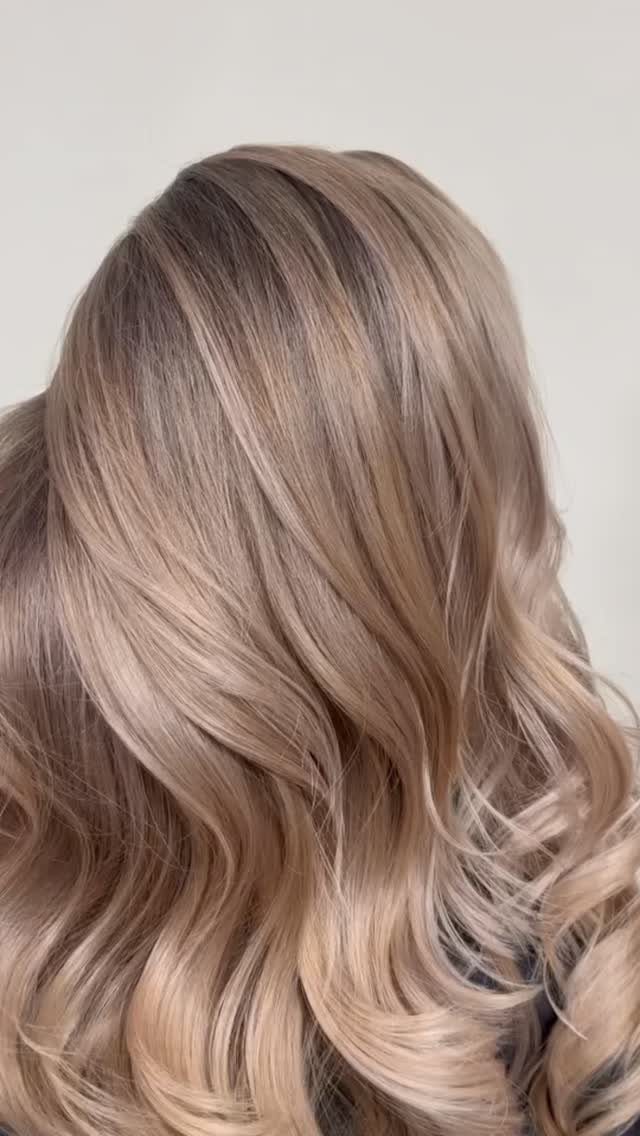
Neutral balayage is my pick for anyone who dreads root lines. The color is painted by hand, so it fades into your natural base and grows out without a hard edge.
Ask for ash brown melting into sandy blonde, with the brightness kept toward the ends. Add a gloss and loose waves, and the dimension shows even on a plain day.
4. Espresso Brown Hair
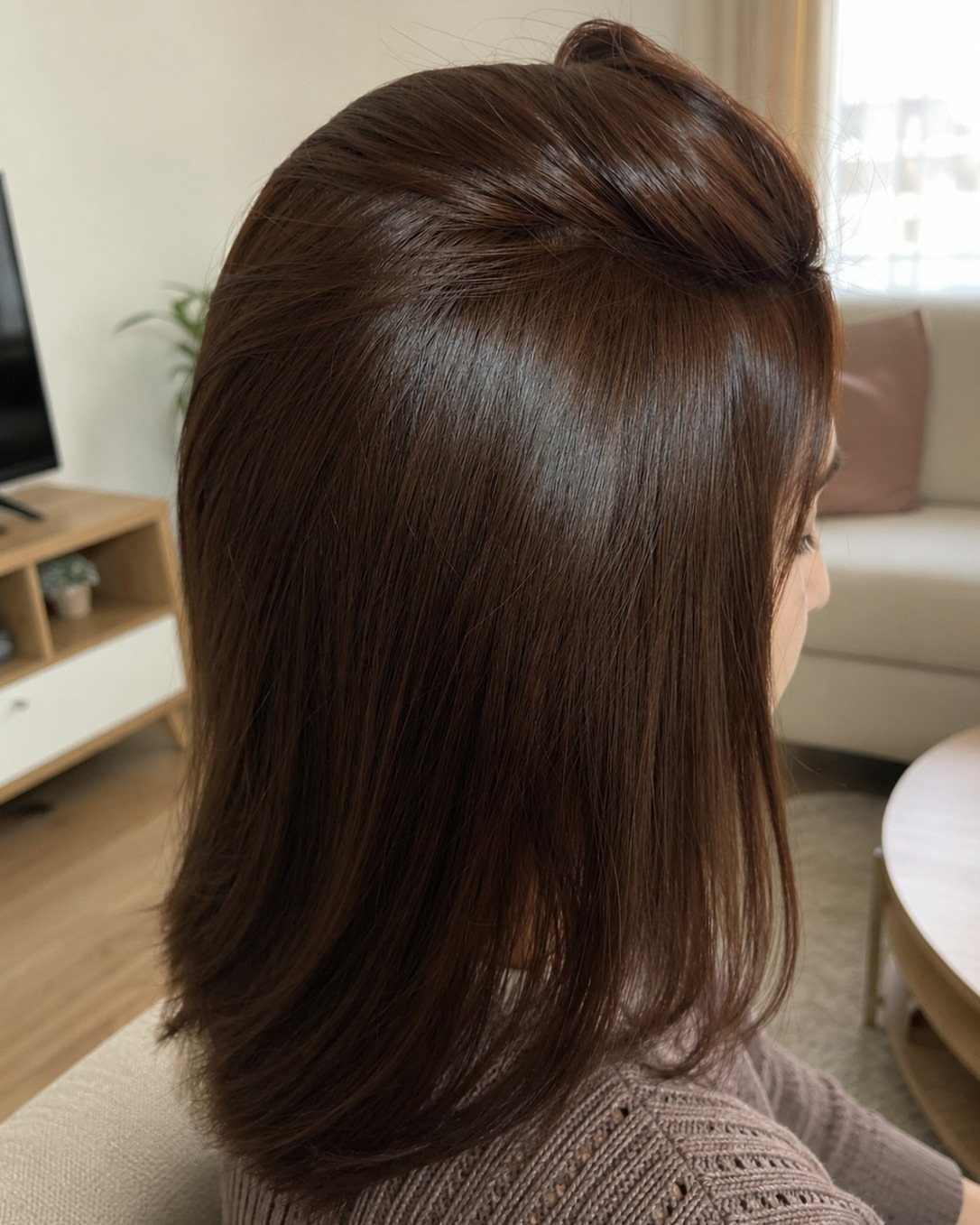
Espresso brown is deep, close to black, and the shine does most of the work. Espresso brown looks rich rather than flat on medium to dark skin, and a shoulder-length cut shows off the gloss best.
Ask for a glaze or gloss finish, since a dark shade without shine can look heavy. Skip red-leaning tints if you want it to stay truly neutral.
5. Ash Bronde Hair
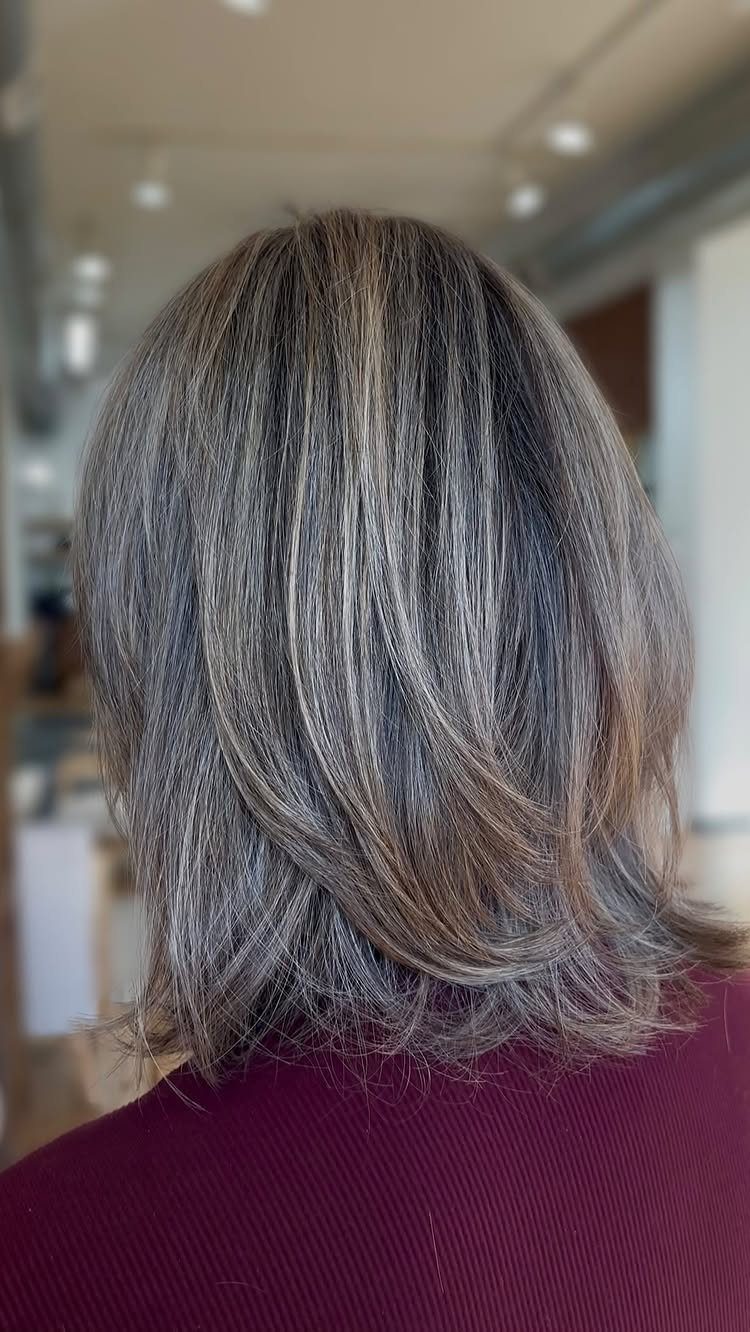
Ash bronde sits between brunette and blonde, so it works for women who can’t decide. The cool tone mutes brassiness, and blonde pieces woven through ash brown add movement, especially in a layered cut.
Bring photos showing the exact balance you want, since "bronde" can mean very different things to different colorists. Expect to use a purple shampoo to keep the ash from warming up.
6. Ash Blonde

Ash blonde is a cool, quiet shade with a faint silver cast, close to the gray of smoke or dust. Long waves show it well because the tone shifts from light to shadow.
It asks for upkeep.
Cool blondes drift warm, so plan on toner touch-ups and a purple shampoo between visits. If that sounds like too much, ash bronde gives a similar mood with a softer grow-out.
7. Ashy Dark Brown Hair
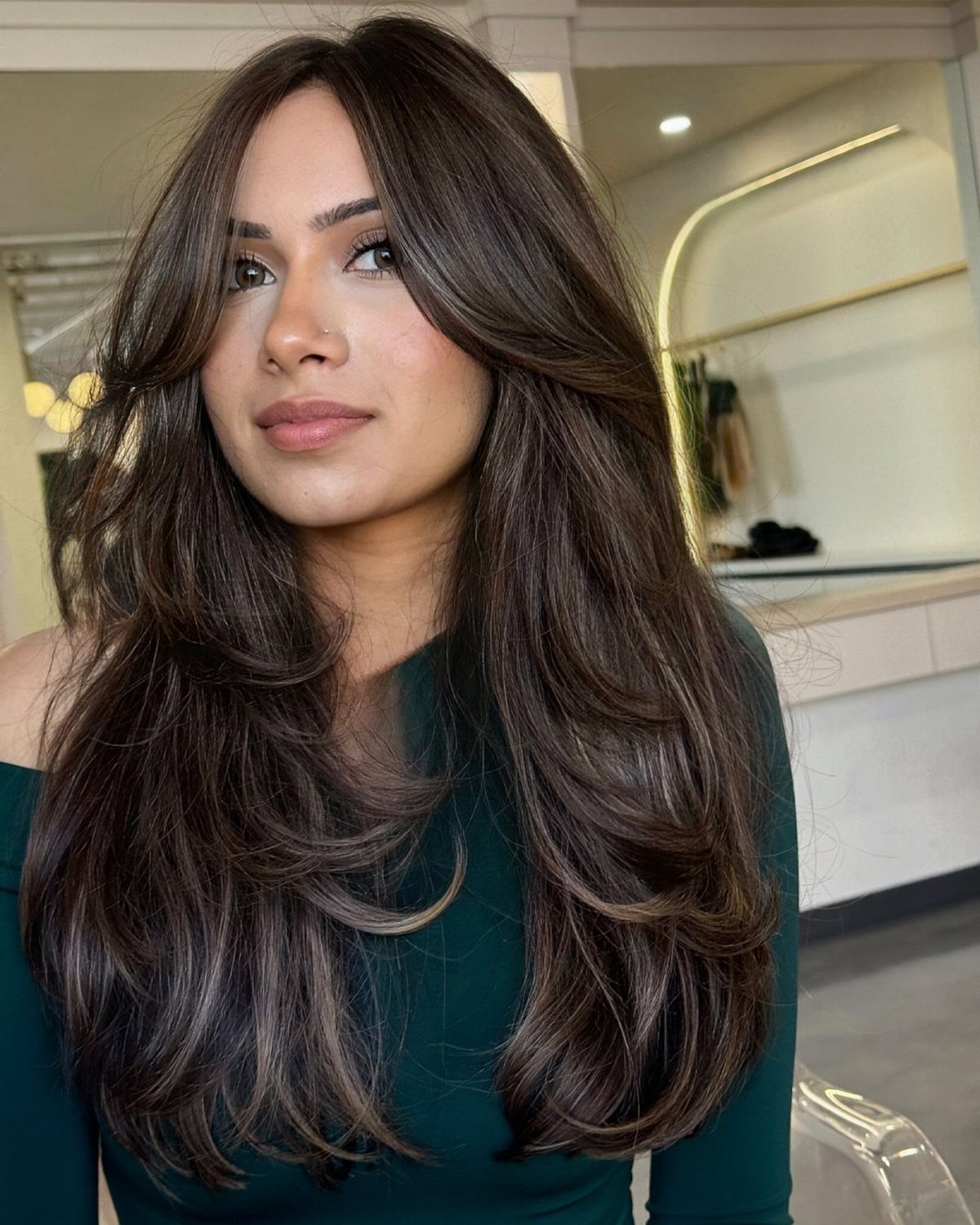
Ashy dark brown sits at the deepest end of the brown range, with just a hint of blue in the tone, which keeps it cool without sliding into gray.
Long layers and loose waves let that cast shift between shadow and light.
For this shade, the request to make at the salon is a deep base color finished with a cool toner; lightener has no place in it.
Warm glosses will pull it toward red or gold, so skip them if neutral is the goal. A cool-tone shampoo between visits helps the color hold.
8. Golden Blonde
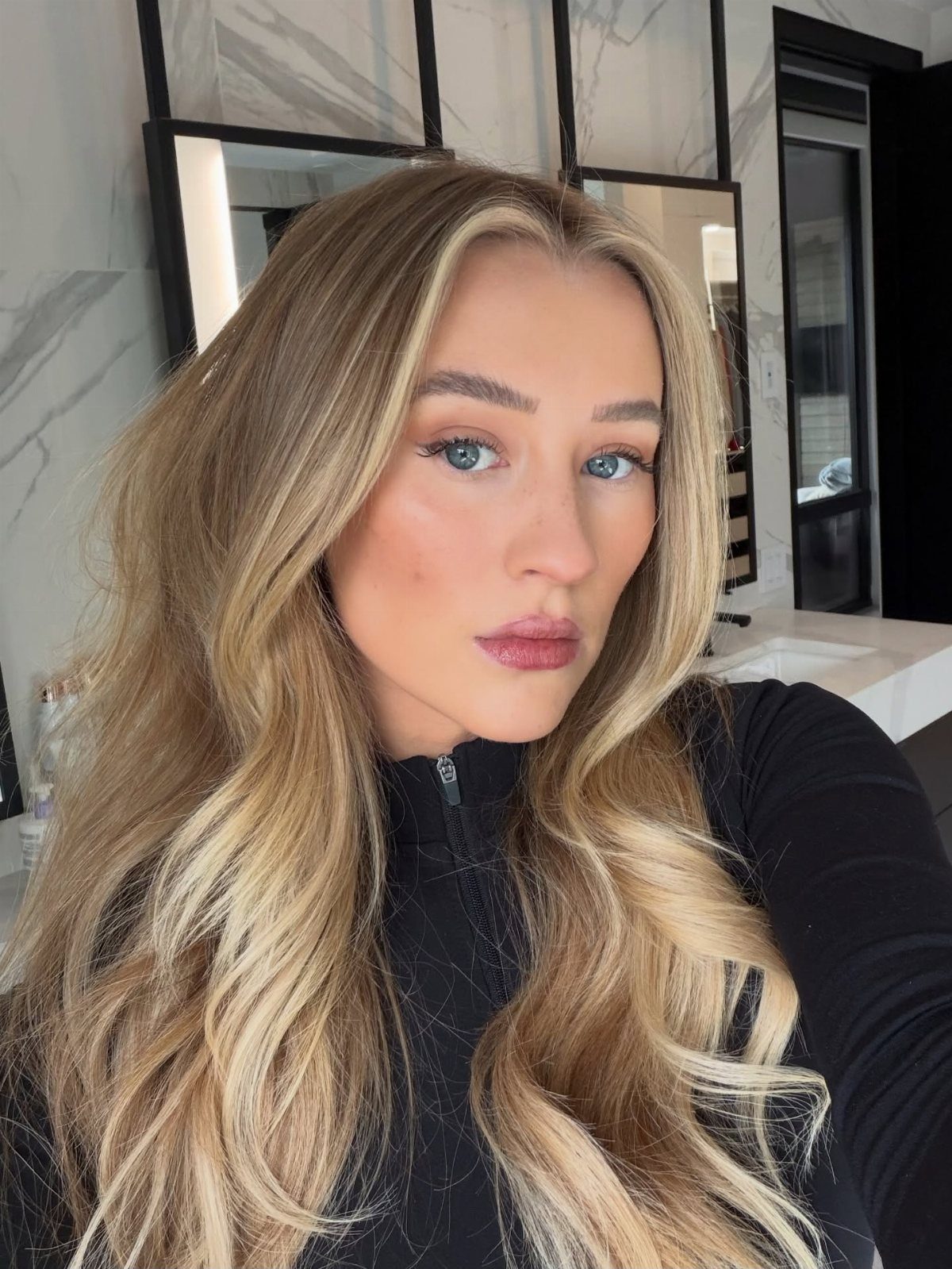
Brunettes who love beachy blonde but can’t part with their dark hair have a middle route: golden tones laid over the length. Long waves, like the ones here, make the warmth look sun-soaked rather than flat.
Starting with a few face-framing pieces and building outward lets you see how gold looks against your skin before you commit to a fuller head of it.
Bring a photo to your colorist, and expect the shade to need a gloss now and then.
9. Red Shades

Reddish-brown is the gentlest way into red, and it suits women who want warmth without a loud color. A copper-leaning brown looks natural in daylight and flatters most skin that runs warm.
Choose a shade just a step or two away from your natural color so the grow-out stays soft. Red fades faster than brown, so I would plan on a gloss to refresh it.
10. Mushroom Brown Hair
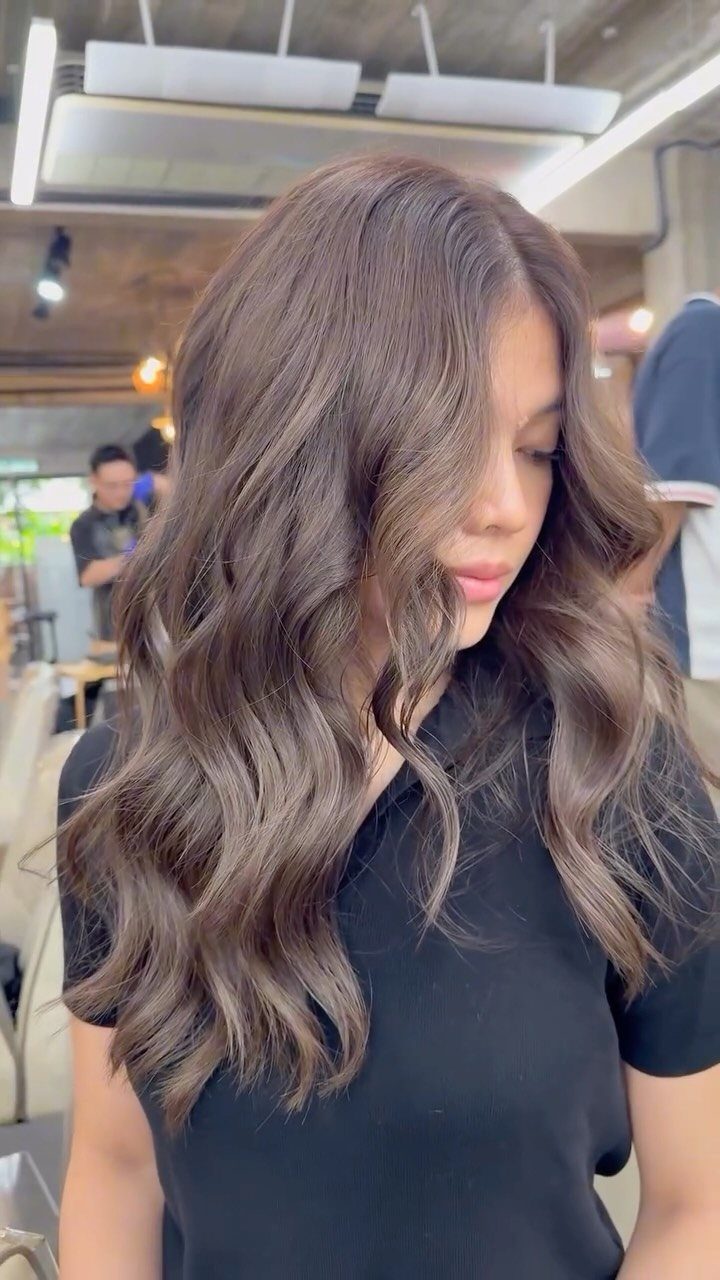
Mushroom brown is an earthy, cool shade with a silvery cast, landing between taupe and light brown. It looks best on long, wavy hair, where the muted tone catches the light without turning brassy.
Ask for a gray-leaning, ashy brown rather than a warm one, and skip golden glosses. Cool tones tend to creep warm as they fade, so a purple or blue shampoo between salon visits keeps the shade where you want it.
11. Cool Chocolate Brown Hair
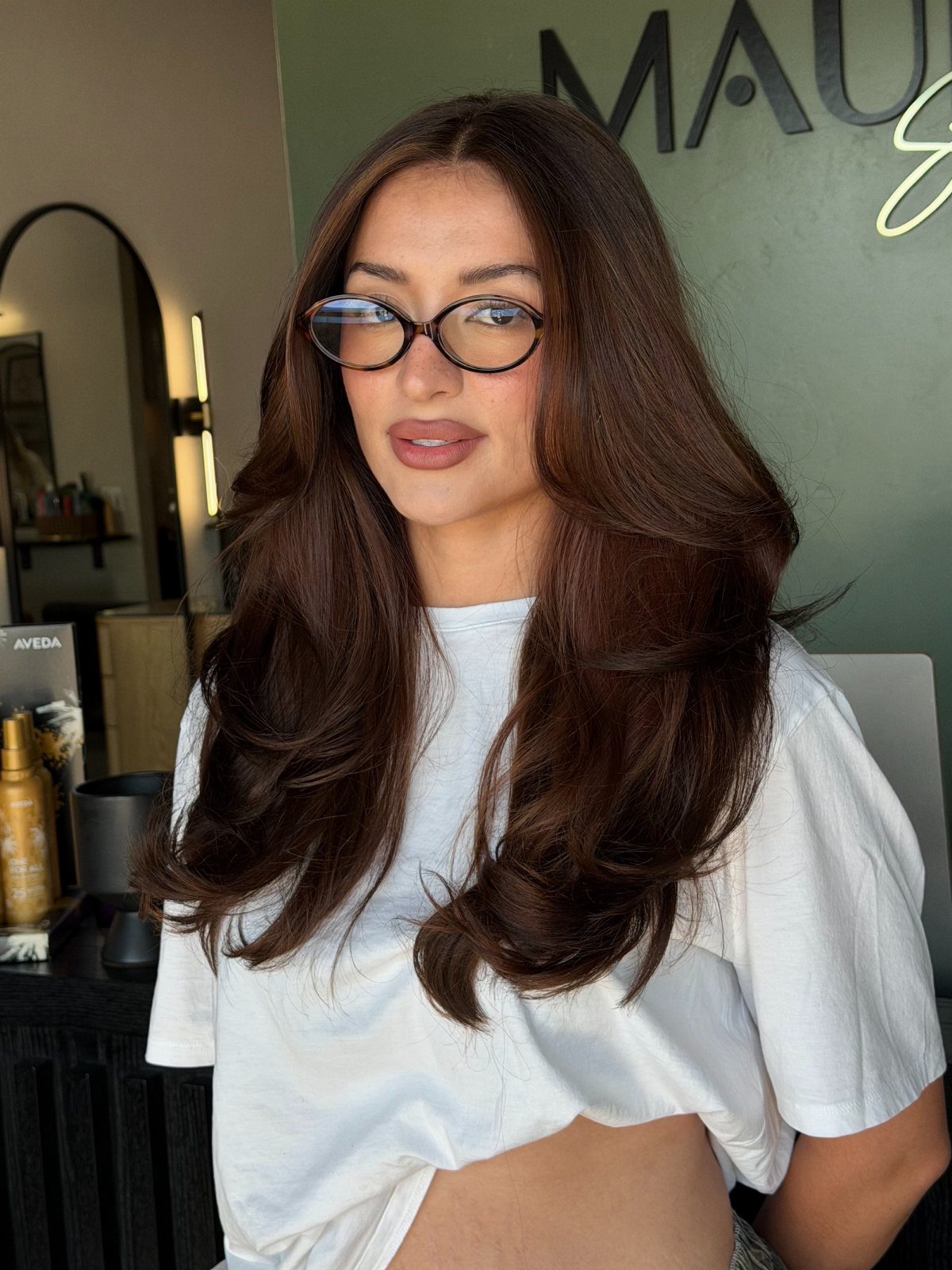
Cool chocolate brown keeps the richness of classic chocolate but drops the red and gold, so it looks sleek instead of sweet. Long waves show the depth well.
Tell your colorist you want a neutral-to-cool brown, and say plainly that you don’t want warmth.
I would choose it over a warmer chocolate if you want low-drama hair that still shines. A gloss every few months keeps the tone cool.
12. Light Brown with Golden Highlights
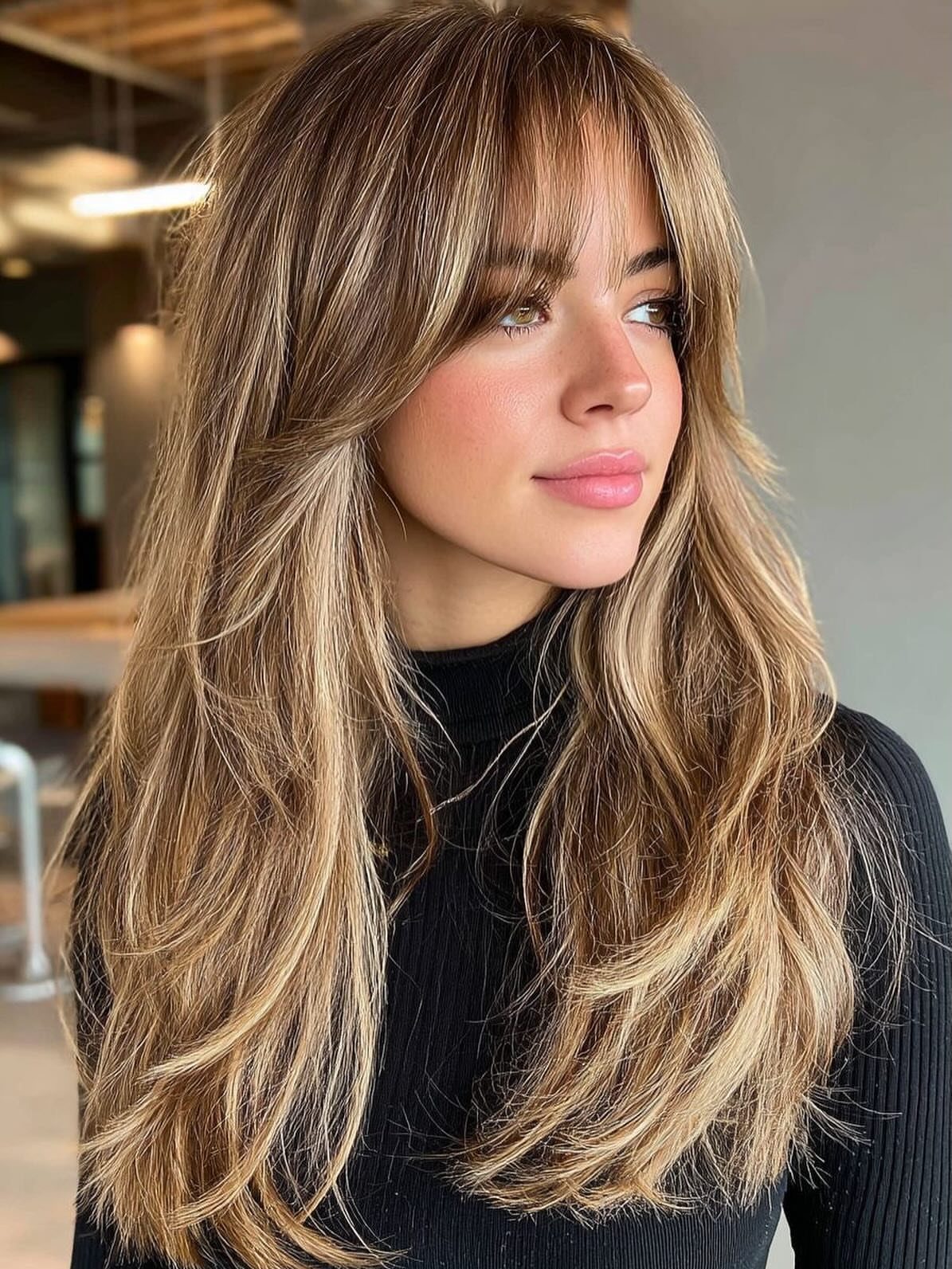
Light brown with golden highlights brightens your base without a dramatic lift. The warm strands spread through the layers, and bangs give the face a bright frame.
Ask for highlights only a shade or two lighter than the base, so they blend instead of striping.
This is the version I would pick if you want sunlit hair with easy grow-out. Golden tones wash out faster than most, so book a gloss to refresh them.
Understanding Skin Tones
Undertone, not how light or dark your skin looks, decides which shades flatter you. Skin comes in 3 groups: cool, warm and neutral.
Hold your inner wrist up to a window and study the veins in daylight, since indoor bulbs tend to skew what you see.
If they read bluish or purple and silver jewelry flatters you more than gold, your undertone leans cool. If you can’t tell, or both metals work, you’re likely neutral.
Cool undertones do well with hair built on blue, violet or green bases: ash, cool dark browns, deep blacks. Those tones calm redness and make eyes stand out.
Warm undertones pair with gold, honey, warm chestnut and espresso.
Neutral skin has the most freedom. Balanced browns, natural blacks and soft coffee tones keep everything in harmony, and I would let your eye color or upkeep tolerance make the final call.
The key to finding your perfect hue—as it so often is with hair color—is to consider your skin tone, undertone, and desired result.
Frequently Asked Questions
Do people look best with natural hair color?
Not always. A shade near your natural color grows out softly and looks believable, but a color matched to your skin undertone and eye color can look just as natural, and sometimes brighter.
Skin depth matters less than undertone, because undertone decides whether a shade looks flattering or a little off.
What is the most attractive natural hair color?
It’s the one that works with your skin tone and eye color, not one shade for everyone.
Cool skin pairs well with ash blondes and cool dark browns, warm skin with golden honey, warm chestnut and espresso, and neutral skin has the most room, with balanced browns and soft coffee shades all working.
Blue eyes read brighter next to a warm blonde with some soft dimension, while green eyes pop against a black-brown.
How do I pick a hair color that looks natural?
Pick a shade in your skin’s undertone family, and keep it within roughly 2 levels of the color you were born with.
Try this in daylight: turn your inner wrist toward a window and check your veins, since blue or purple veins and silver jewelry that looks best point to cool, and if gold and silver both look good, you’re probably neutral.
Hand-painted balayage or highlights only a shade or two lighter than your base also blend well and grow out without a hard line.






