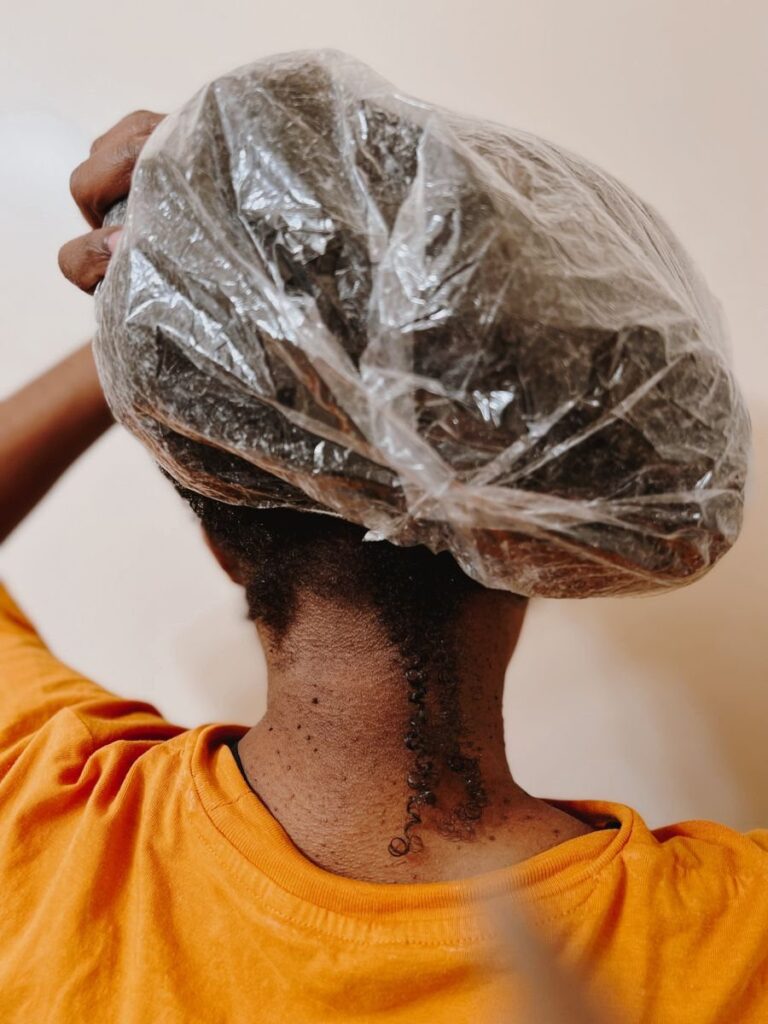
Ideas here run from a clear plastic shower cap, which costs very little, to thick twists that keep the driest ends of 4C hair tucked away for days.
What decides your pick is how much time you have: a daily cream like tgin Butter Cream fits a few minutes every day, while a 5-minute bedtime refresh with a satin bonnet or scarf fits nights when nothing else gets done.
Whichever you choose, moisture goes on first and the seal or style goes on top, never the other way around.
1. Protective Styling
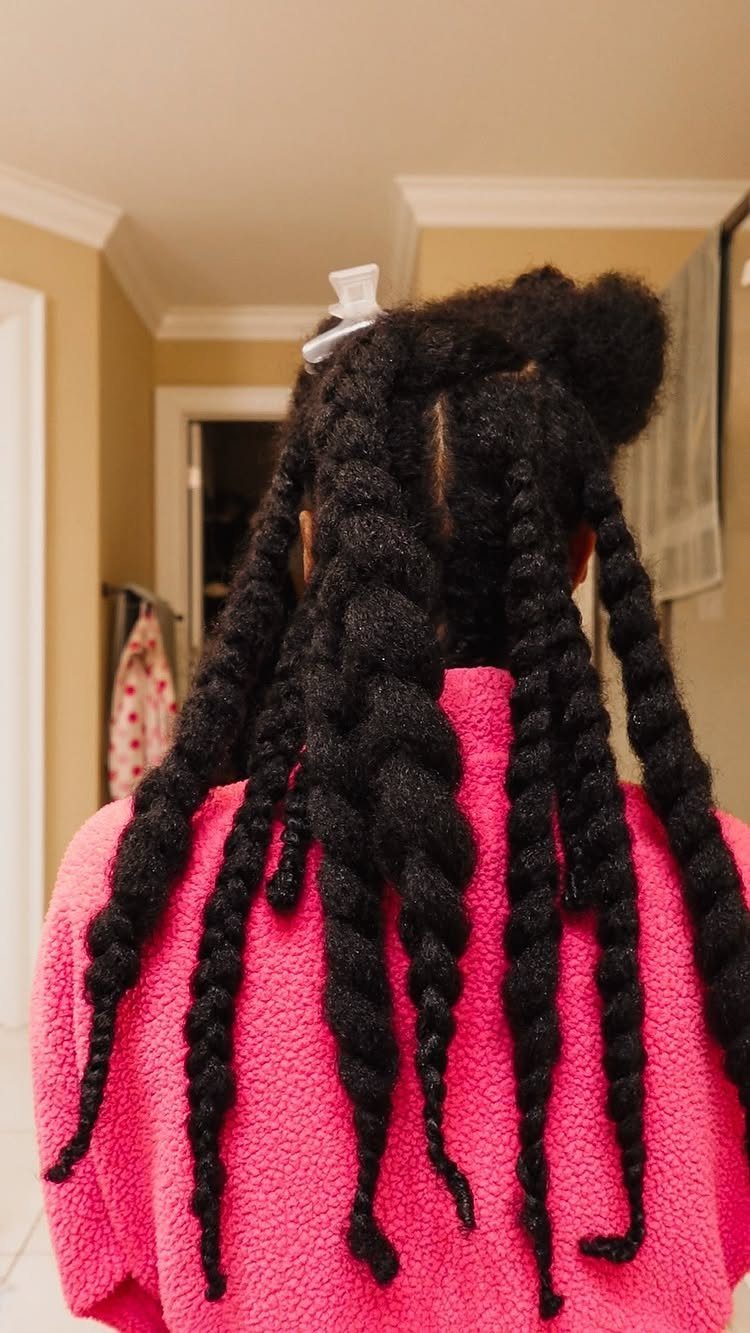
Thick twists like these keep the ends tucked away, and the ends are the driest, most fragile part of 4C hair. Moisturize first, then twist, so the moisture is sealed in before the style goes up.
I’d pick chunkier twists over tiny ones on a budget.
They take less time to install, and they’re easier to re-moisturize without frizz. Spritz lightly and smooth a little cream along each twist every few days.
2. Tgin Butter Cream Daily Moisturiser
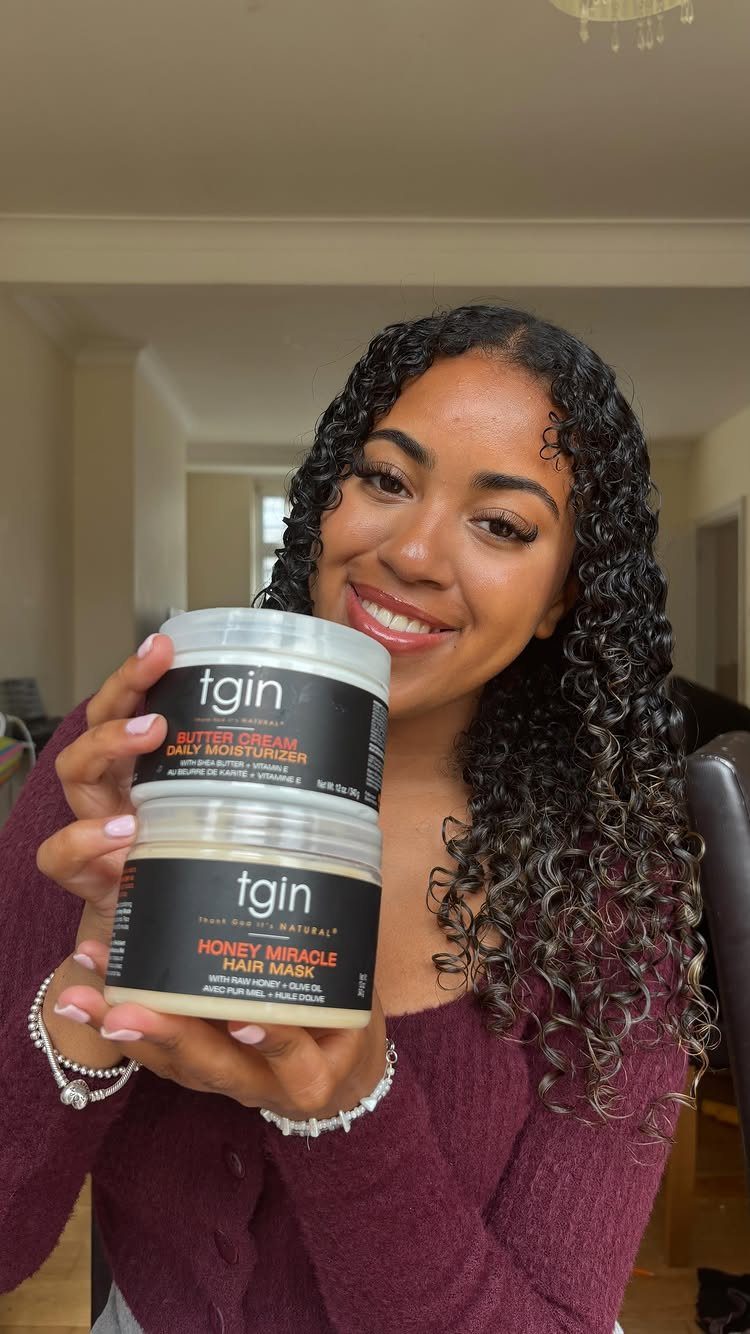
A jar of tgin Butter Cream Daily Moisturizer is a sensible buy for a budget routine, because a daily cream you actually use beats a pricey one that sits on the shelf.
The Honey Miracle Hair Mask is a separate step, a deep conditioner you can add later once the daily butter cream routine feels easy, and it works best on wash day rather than as an everyday layer.
Work the cream in small sections on damp hair, starting at the ends. I’d use less than feels right at first; 4C hair drinks it up, but too much weighs down definition.
3. Plastic Cap
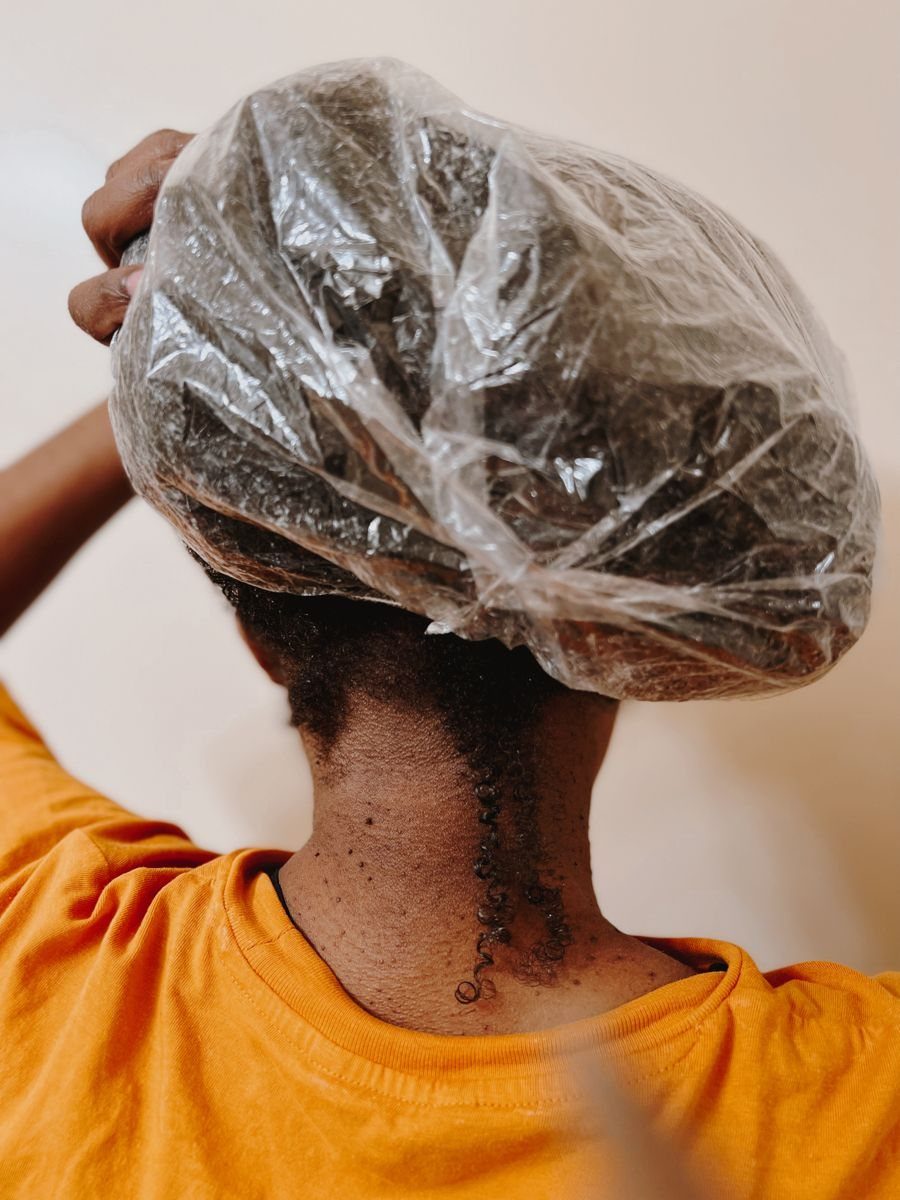
A clear plastic shower cap costs very little, and it’s one of the cheapest ways to hold moisture against 4C hair.
Put it on over a fresh coat of moisturizer or a deep conditioner, and the trapped warmth helps the product soak in instead of drying out.
Leave it on for a while, then take it off. I’d skip wearing it for a whole day, since a cap that traps sweat can leave hair feeling damp and limp.
Signs Hair Needs Moisture
Dry or rough texture is the first sign, and it shows up under your fingers before it shows in the mirror.
Curls that don’t bounce back after you stretch them are another, and so is hair that fights the comb harder than usual.
Frizzy, dull ends complete the picture. When two or three of these show up together, refresh the hair rather than pile product on.
Moisturized doesn’t mean greasy or wet.
Healthy, moisturized 4c hair bends without snapping, stays easy to detangle, and feels soft in your hands instead of dry and straw-like. If your phone screen picks up fingerprints from your hair, you’ve gone past it.
The point of moisturizing is to keep hair manageable between wash days, so judge it by how the hair handles, not by how much product is on it.
Common Mistakes
Oil is a sealant, not a moisturizer. On dry hair it just locks the dryness in, so you get shiny hair that still feels brittle.
Too much moisture is possible. Hair that feels limp, gummy or mushy is usually asking for protein, so cut back on moisture for a wash or two.
Products alone don’t do it either, because hair needs actual water. Piling on product backfires, because the buildup coats the strands and keeps water from soaking in.
Winter calls for more moisture than summer, so change your routine with the seasons instead of running one plan all year.
Nighttime Care
Moisture slips away from your strands overnight, so 5 minutes at bedtime makes a real difference by morning.
Lightly spritz with water or a leave-in. You don’t need the full LOC or LCO routine, just a light refresh.
Smooth a dab of oil over your ends. They’re the oldest part of your hair and need the most help.
Then cover your hair with a satin or silk bonnet or scarf, or sleep on a satin pillowcase. On longer hair, loose twists, braids, banding or a pineapple updo keep the strands from tangling into each other while you sleep.
Done right, morning needs a quick touch-up instead of a full renovation.
Frequently Asked Questions
What is the best moisturizer for 4C hair?
Look for a water-based formula that also carries shea, coconut, avocado or castor oil; water hydrates the strand and the butters and oils slow its escape.
Look for water as the first ingredient, and for humectants like glycerin, honey or aloe paired with an emollient that seals.
If money is tight, a daily cream you reach for every morning, such as tgin Butter Cream Daily Moisturizer, will do more for your hair than an expensive jar left in the cabinet.
How do I fix extremely dry 4C hair?
Build a steady routine that includes deep conditioning on wash day. Apply the conditioner to the ends and driest spots, cover with a plastic cap so the trapped warmth helps it soak in, then follow with a leave-in.
Hair needs actual water, so oil alone on dry hair only locks the dryness in.
Can you put too much moisture in 4C hair?
Yes.
When strands turn limp, gummy or mushy, they usually need protein rather than more water. Cut back on moisture for a wash or two and let the hair recover.






