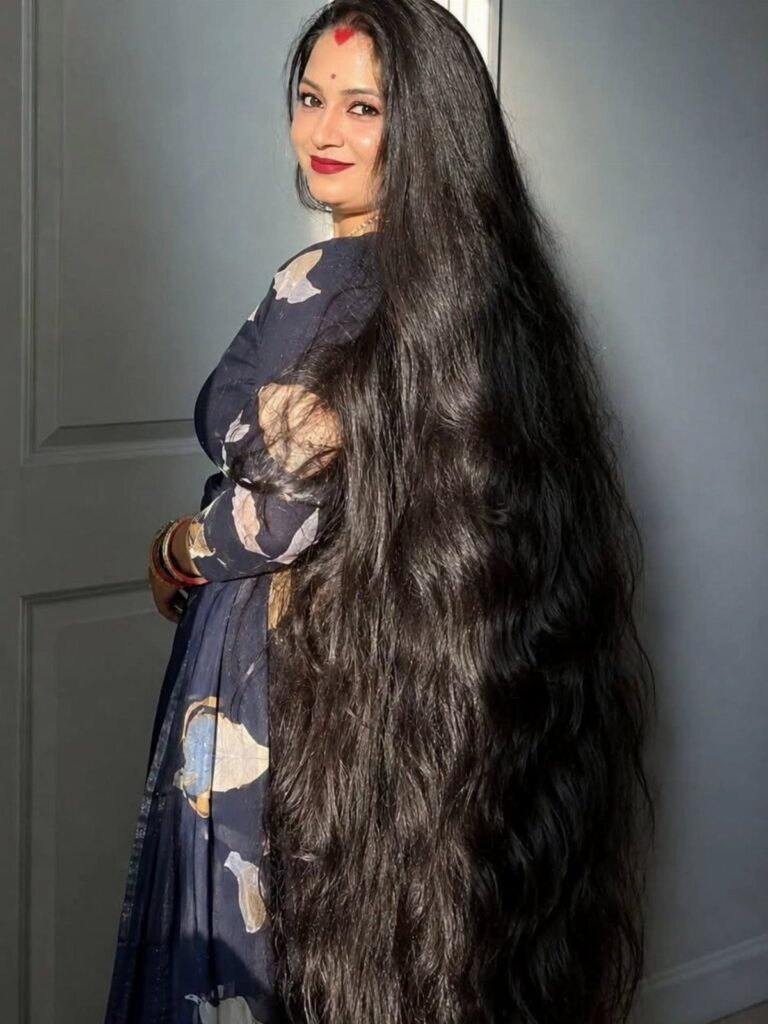
Floor-length hair can hang loose, go into a single braid, or sit under a headscarf, and my pick depends on how much of the day is spent around doors, chairs and floors that aren’t mine.
A single braid with a soft hair tie keeps it off the ground for everyday wear.
Texture changes how the length reads: straight hair shows every inch, while natural waves pull up and can look several inches shorter than they really are.
1. Floor-Length Straight Hair Worn Down
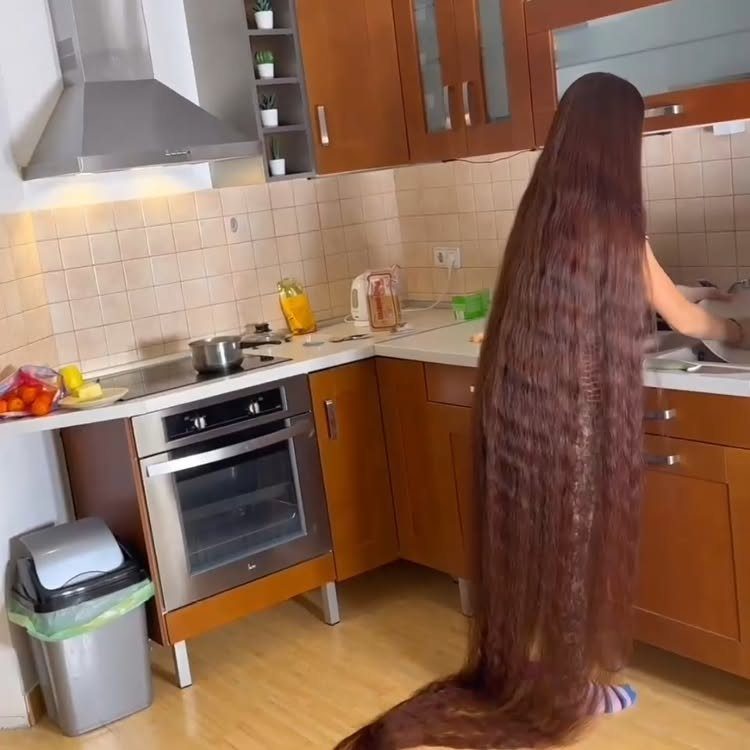
Straight hair shows length better than any other texture, because nothing breaks up the line from crown to floor. That makes it the simplest version of this idea and, to my eye, the most dramatic.
Hair this long drags under its own weight, so a center or side part that lies flat looks cleaner than anything lifted.
Keep the ends blunt and even, since a ragged hem is the first thing you see on a long, smooth fall.
Loose hair at this length gets stepped on and caught in doors and chair backs, and that is the price of wearing it down. I’d wear it down at home and pin it up before going out.
2. Floor-Length Natural Wavy Hair
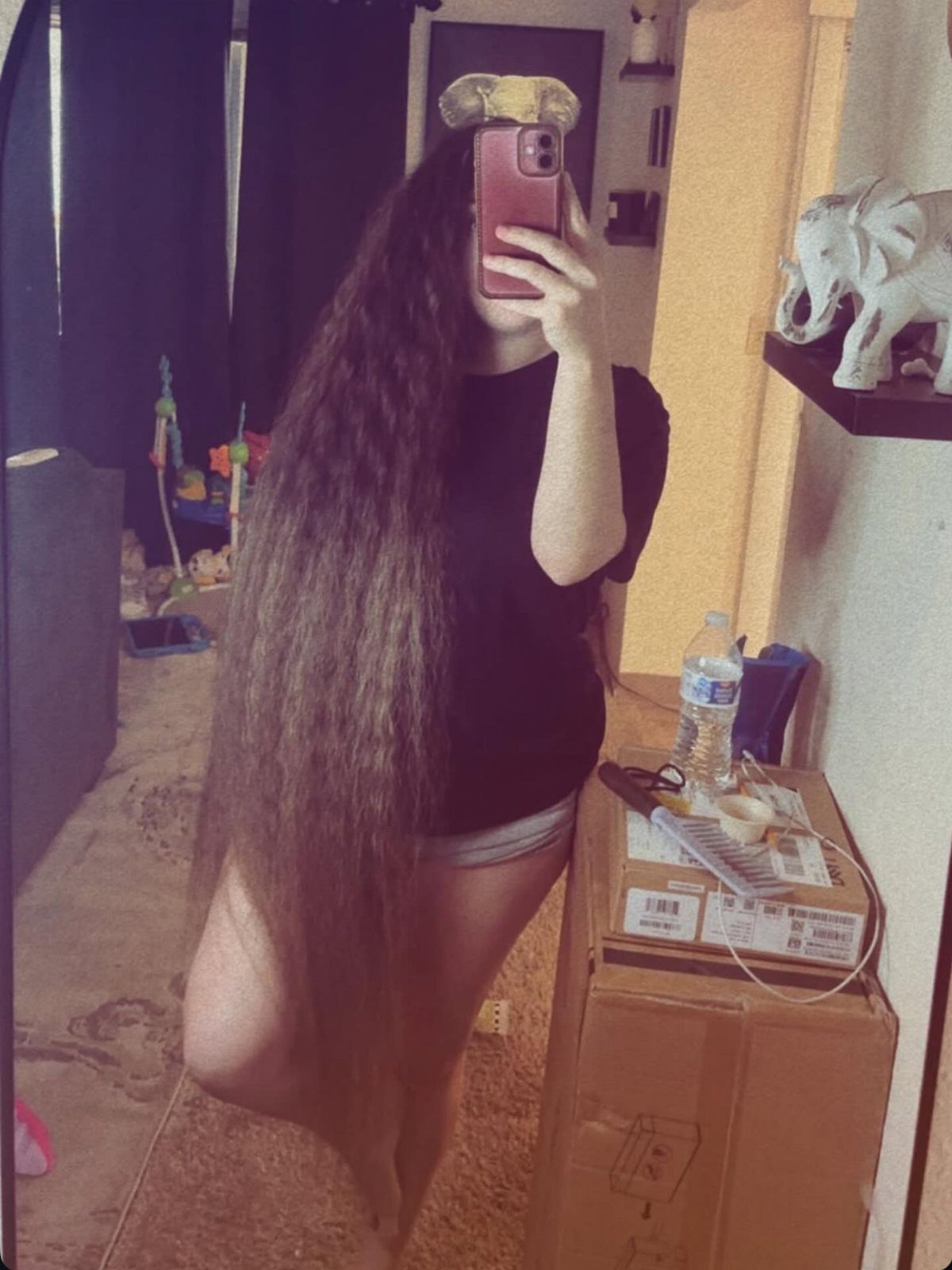
Waves take up more room than a straight fall, so natural texture at floor length reads as fuller and softer. Left loose, the pattern does the styling for you.
I’d skip heat entirely. Comb through with fingers or a wide-tooth comb while the hair is damp, then let it dry untouched so the waves stay defined instead of puffing out.
Waves also pull the hair upward, which means it can look a few inches shorter than it really is. That’s a fair price for volume and movement, and it hides small uneven ends better than straight hair does.
3. Floor-Length Single Braid
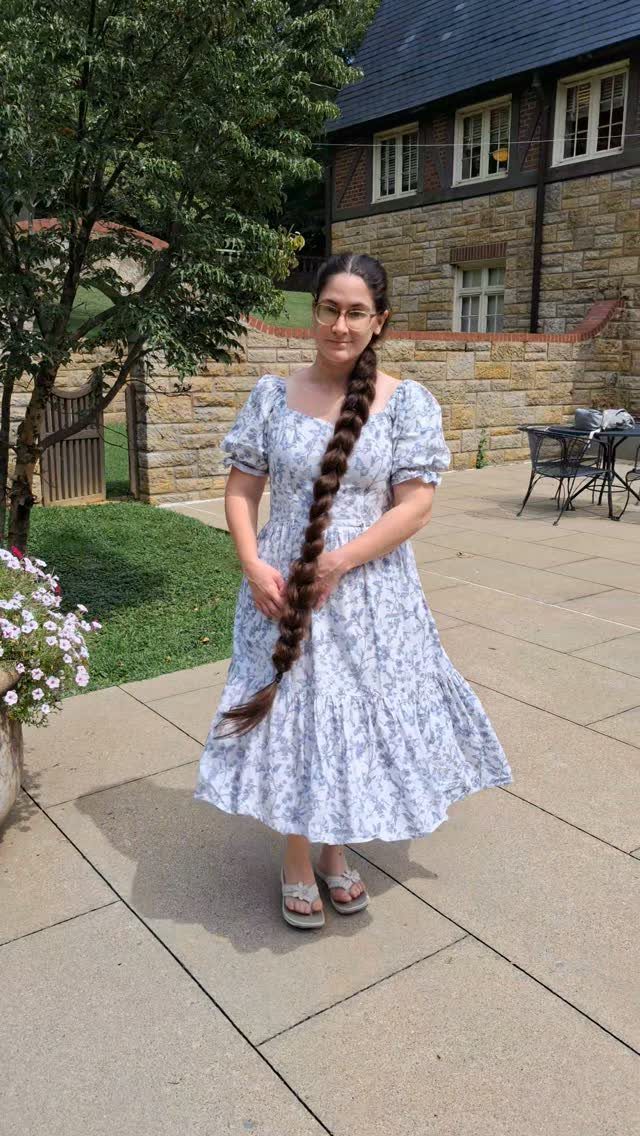
A single braid is the version I’d choose for everyday wear, since it keeps floor-length hair off the ground and out of your way. Worn down the back, it looks tidy with a sundress and flat sandals.
Braid from the nape in tight, even sections and stop only at the very end, where an elastic holds it. A looser braid frays faster at this length, so keep the tension steady all the way down.
It does add weight at one point, so a soft hair tie beats a thin elastic that tugs.
4. Floor-Length Hair with Headscarf
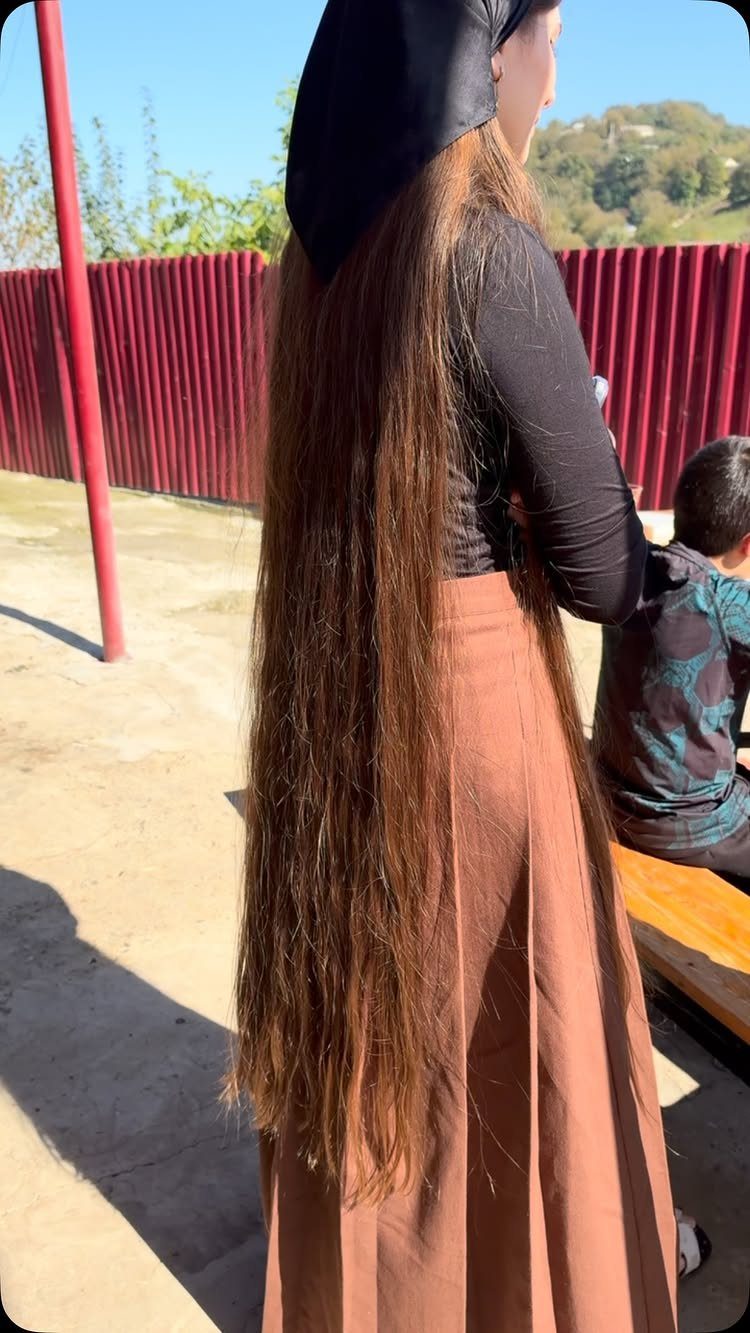
A headscarf gives long hair a frame, and it works well with a plain top and a long skirt. Tied snugly at the crown or nape, it keeps the top neat while the length falls free below.
Pick a matte fabric in a solid color so the scarf stays quiet and the hair stays the focus. Black is easy to wear with almost anything.
Secure the scarf with a pin or two so it holds through chasing a child or a windy walk. The hair below can stay loose, or be tucked into a low braid if it gets in the way.
Choosing the Right Haircut
Layers and blunt ends are the 2 cuts that decide how long hair behaves day to day. Layered cuts are classic and easy to customize, so they suit anyone who wants movement and a shape they can adjust over time.
A blunt cut is chic and low-maintenance, which makes it the better pick if you’d rather trim rarely and keep one clean line.
Hair type and texture should settle it before preference does. Match the cut to what your hair already does on its own, because fighting it costs you time every morning.
If you want a bigger change without losing length, bangs are the lever.
A long shag or a mullet goes edgier still. I’d treat those as a second step, after you know the base cut works for your texture.
Styling Tips for Long Hair
On fine hair, layers cut with some care and a little added texture make the length look fuller and help it move instead of hanging flat.
Products then finish the job: a volumizing spray at the roots gives lift, and it’s what keeps long hair from lying flat.
For wavy hair, layers already create natural movement, and textured ends add more.
For a lived-in, slightly messy finish, a few sprays of a dry texturizing product like Matrix Miss Mess will do it. I’d go light, since too much leaves hair stiff and dull.
Apply volumizer to damp hair and texturizer to dry hair, concentrating on the ends. Keep products off the scalp where you can, and wash them out regularly so the hair stays healthy rather than coated.
Frequently Asked Questions
What are some easy hairstyles for long hair that I can style while working?
A single braid is the easiest. It keeps the length off the floor and out of your way, and a soft hair tie holds it better than a thin elastic that tugs.
A headscarf knotted at the crown or the nape keeps the top smooth too, and 1–2 bobby pins stop it from slipping when you’re up and moving. Loose buns work too.
How do I choose the right haircut for long hair?
Start with your hair type and texture, and let preference come second. Layers give you movement and room to adjust.
A blunt cut suits you better if you’d rather trim twice a year and keep a single clean line. Working against your natural pattern adds minutes to every morning.
How do I make long hair look fuller?
On fine hair, carefully cut layers plus a little added texture make the length look fuller and keep it from hanging flat.
Work a root-lift spray into damp hair before drying, and the lift holds much better than it does on dry strands.
Product that sits on the scalp builds up and weighs hair down, so keep it at the roots’ edge and shampoo it out on a regular schedule.
Should I wear floor-length hair down?
At floor length, I’d keep it down mostly at home: it gets stepped on, and it catches in doors and behind chair backs.
Before going out, I’d pin it up or braid it. When you do wear it loose, an even, blunt hem matters most, since frayed ends show up first on a long, smooth fall.






