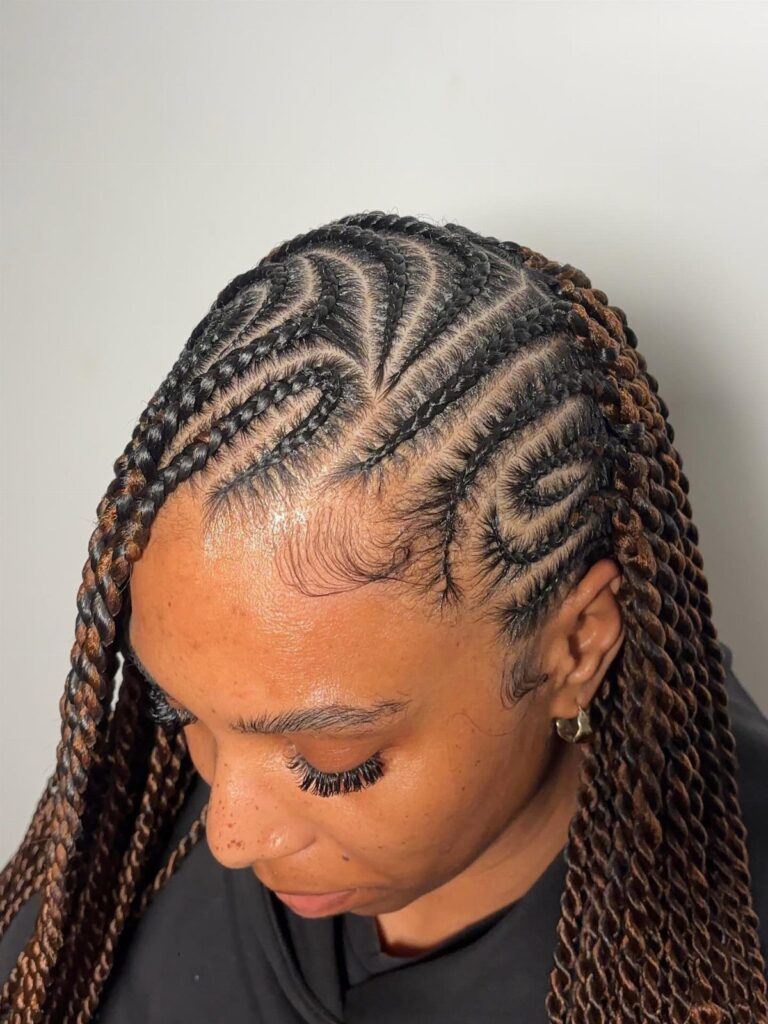
Which of these protective hairstyles braids fits you comes down to how much upkeep you will realistically do, because the list runs from short shoulder-length twists you barely handle to full-salon Senegalese twists, wrapped by hand, that need a long appointment.
A braided updo works for formal nights too, so these styles are not limited to everyday wear.
1. Cornrows
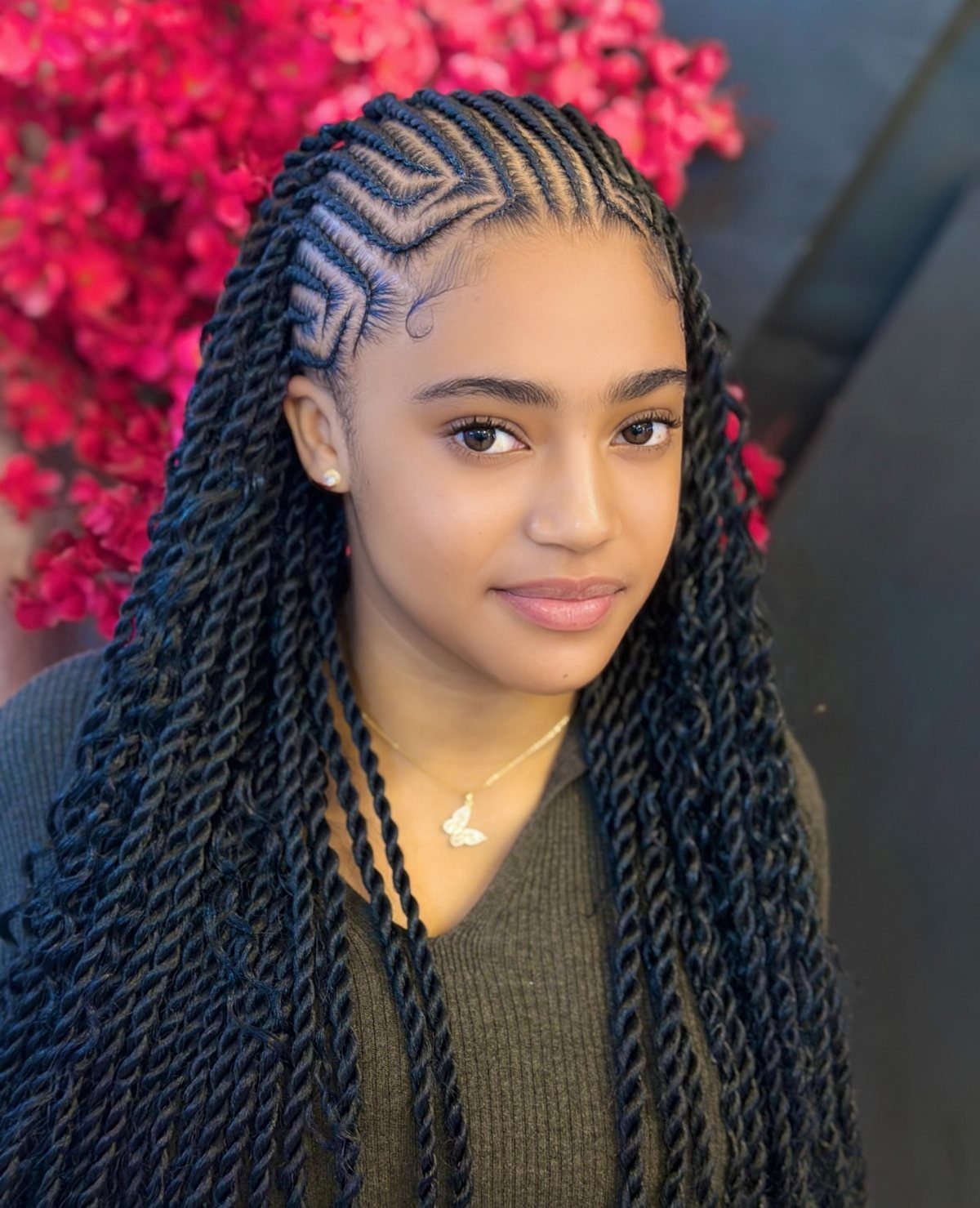
Cornrows are the flattest, lowest-profile way to wear braids, since every row is anchored right against the scalp.
Cornrows lie flat against the scalp, so they make a solid base for a style that stays put and keeps your hair tucked away.
The pattern on top is where you get to choose.
Straight-back rows are the easiest to maintain, while curved or geometric designs take longer in the chair. Long twists left hanging add length without changing the scalp work underneath.
I’d pick the simpler layout for everyday wear and save the intricate one for when you want the pattern to be the focus.
2. Fulani Braids
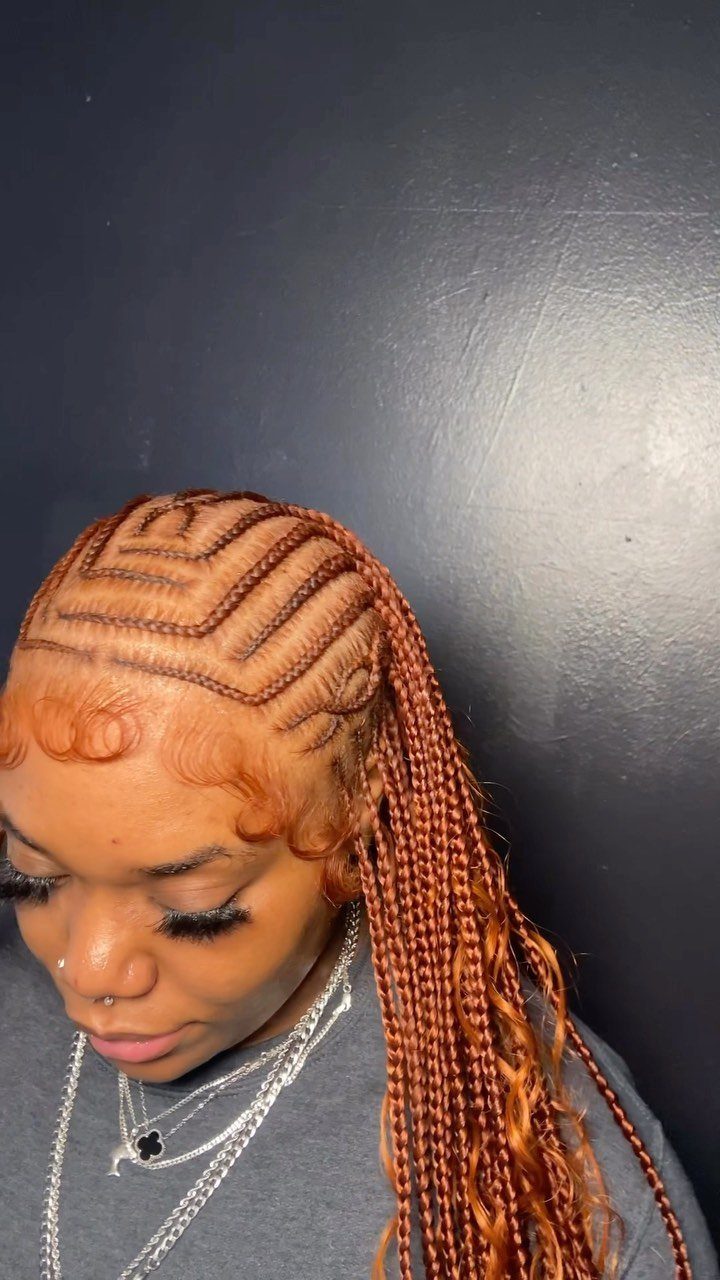
Cornrows up front and box braids falling behind: that split is what makes Fulani braids recognizable. You get a flat, neat front and plenty of movement in the back.
Fulani braids suit a day when you want a style that looks detailed but wears easily. The front rows frame the face, and the long box braids keep the ends protected.
I’d choose a color that sits close to your skin tone’s undertone so the braids look intentional rather than loud.
3. Knotless Braids
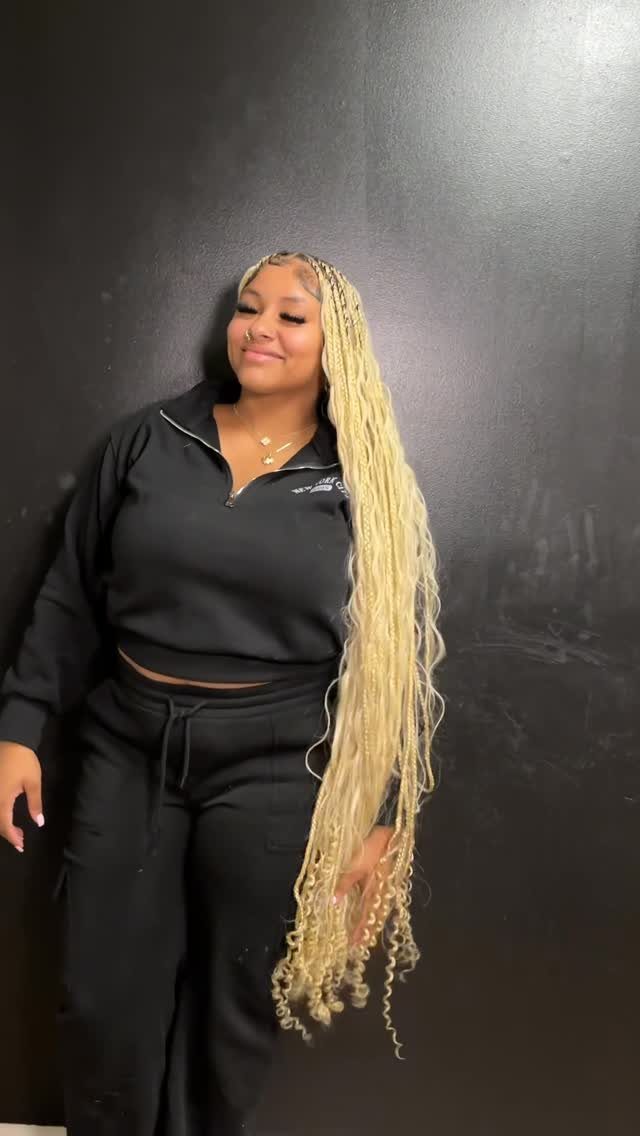
Knotless braids begin with your own hair and add extensions gradually, so the root has no bulky knot. That gentler start is why I’d pick them over classic box braids for anyone wary of tension.
Length and color are easy to play with. Blonde braids stand out sharply against dark clothing, though a lighter shade is a bigger commitment than black or brown.
Ask your braider to feed in the extension hair slowly and keep each section a manageable size. Expect a longer appointment than a basic braid.
4. Bantu Knots
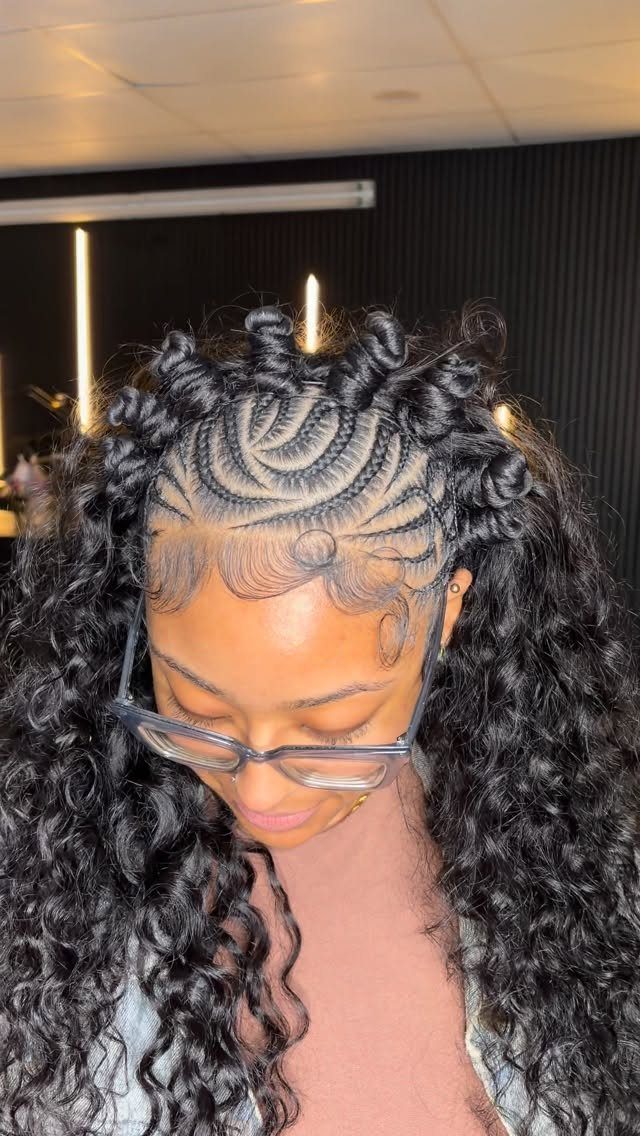
Bantu knots turn twisted sections of hair into small spiraled coils that sit against the head. They’re a protective style you can do in several ways: all over, or paired with cornrows that lead into the knots.
Taking them down gives you a curl pattern, which is a bonus if you like a second look from the same effort. Bantu knots set on damp hair and taken down once dry leave long, defined curls.
I like knots as a short-term style rather than a weeks-long one. Keep each section the same size so the knots look even.
5. Senegalese Twists
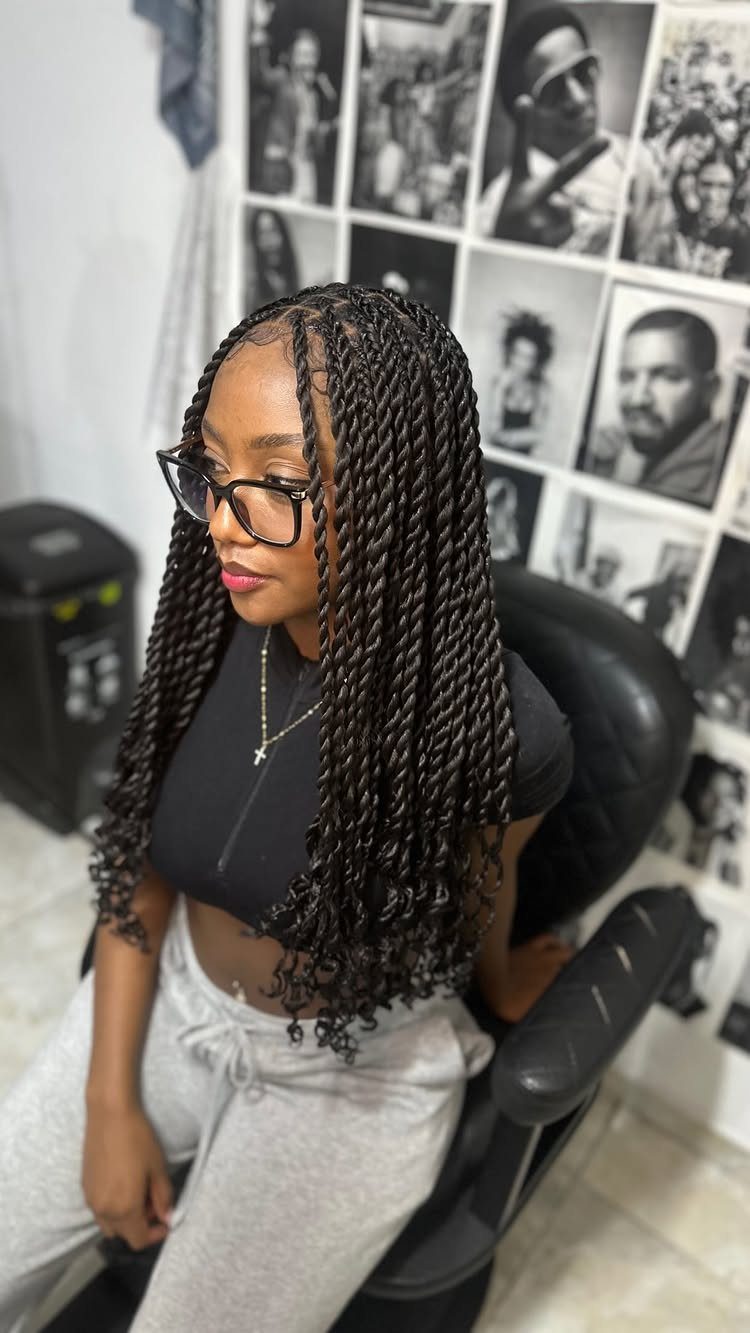
Braiding hair gets wrapped around your natural hair to make Senegalese twists, and the result is a smooth, rope-like finish from root to tip. Long and black, they look sleek and polished.
Compared with box braids, they hang lighter and move more, and the shape stays slim along the length. That makes them a favorite of mine for work and dressier plans alike.
Plan on a full salon sitting, since each twist is wrapped by hand. Choose a length you’ll still enjoy wearing as it falls over your shoulders.
6. Braided Crown
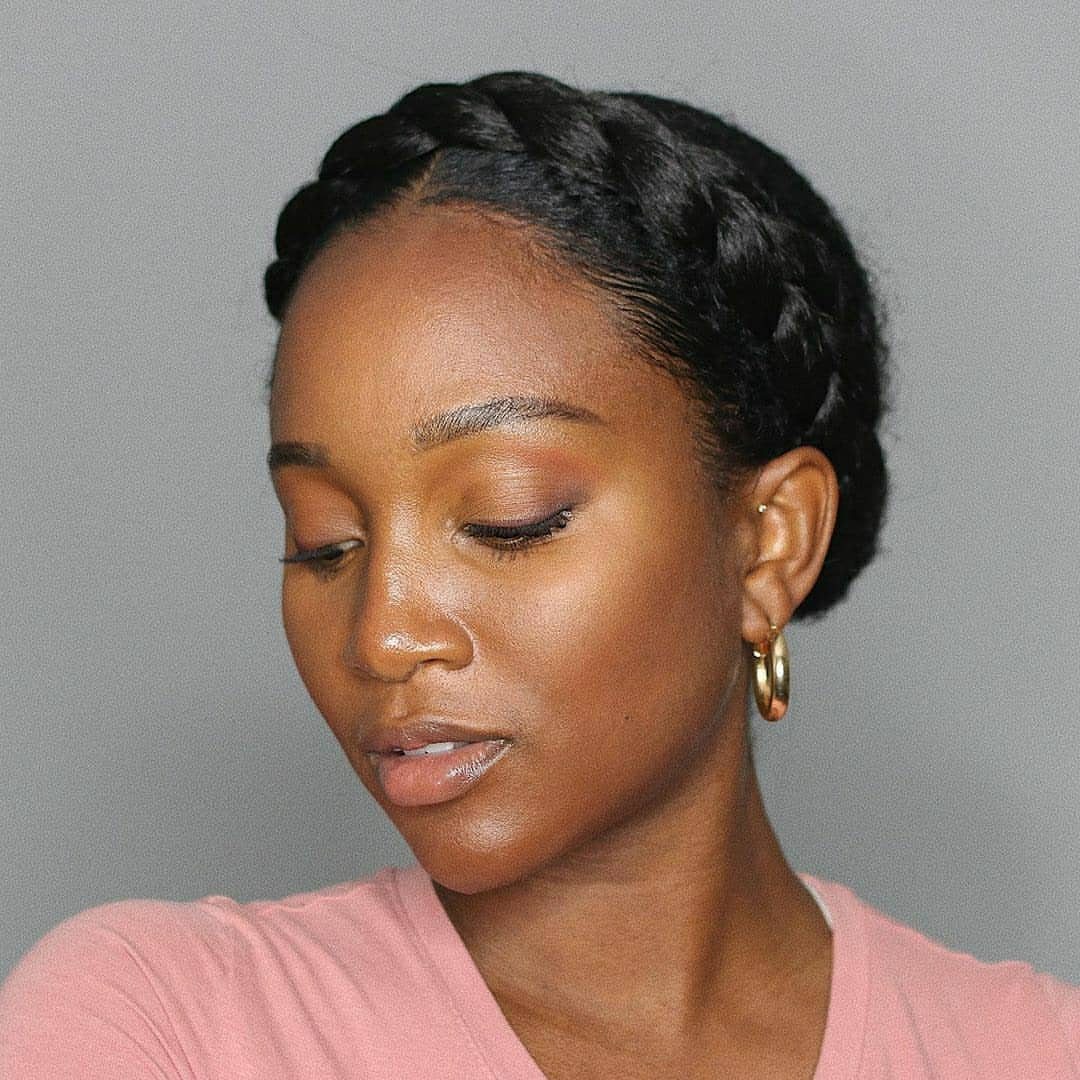
A braided crown sweeps a thick plait around the head like a halo, which keeps the hair off your neck and puts your face front and center.
Chanel Iman wore one to the amfAR 23rd Cinema Against AIDS Gala, pairing it with a mesh dress.
That’s the lesson: a crown braid dresses up an outfit with no extra accessories. With a braided crown, a pair of gold hoops is all the jewelry you need.
I’d go thick rather than thin, since fuller braids read as more deliberate. It suits both casual tees and formal nights.
7. Box Braids
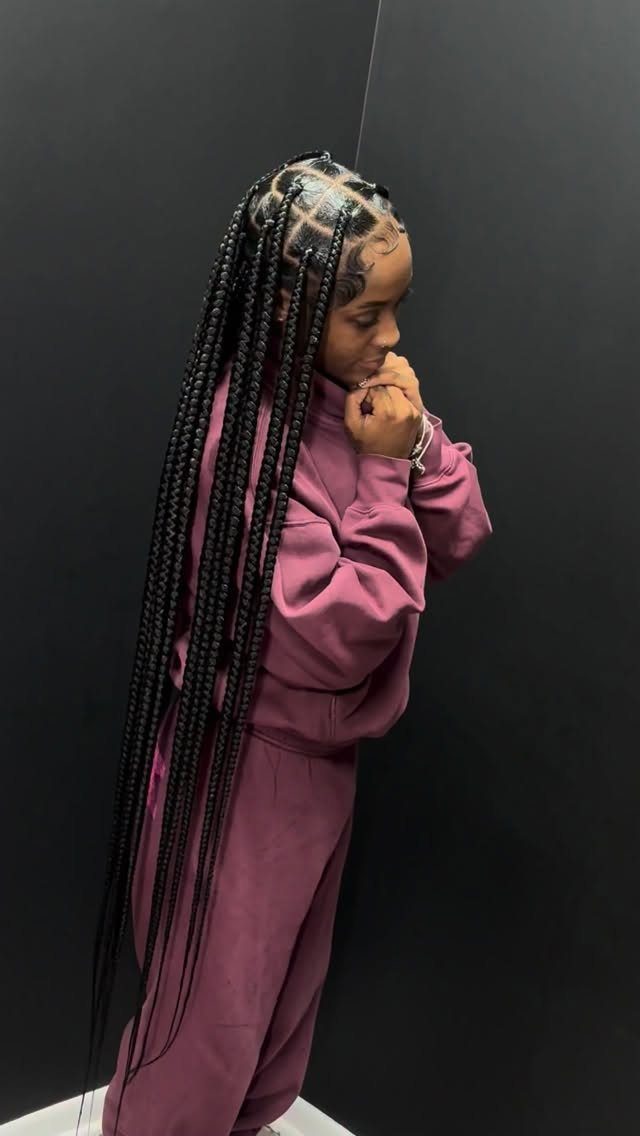
Square parts are what give box braids their grid-like scalp and their reputation as the all-purpose protective style.
Each braid hangs on its own, so you can part them down the middle, sweep them to one side or pile them into a bun.
Long black braids like these look polished with a matching tracksuit or a plain tee. I’d keep the sections an even size, because a uniform grid reads as cleaner than mixed widths.
Expect a long appointment, and ask for the braids to be anchored without pulling at the roots.
8. Bohemian Braids
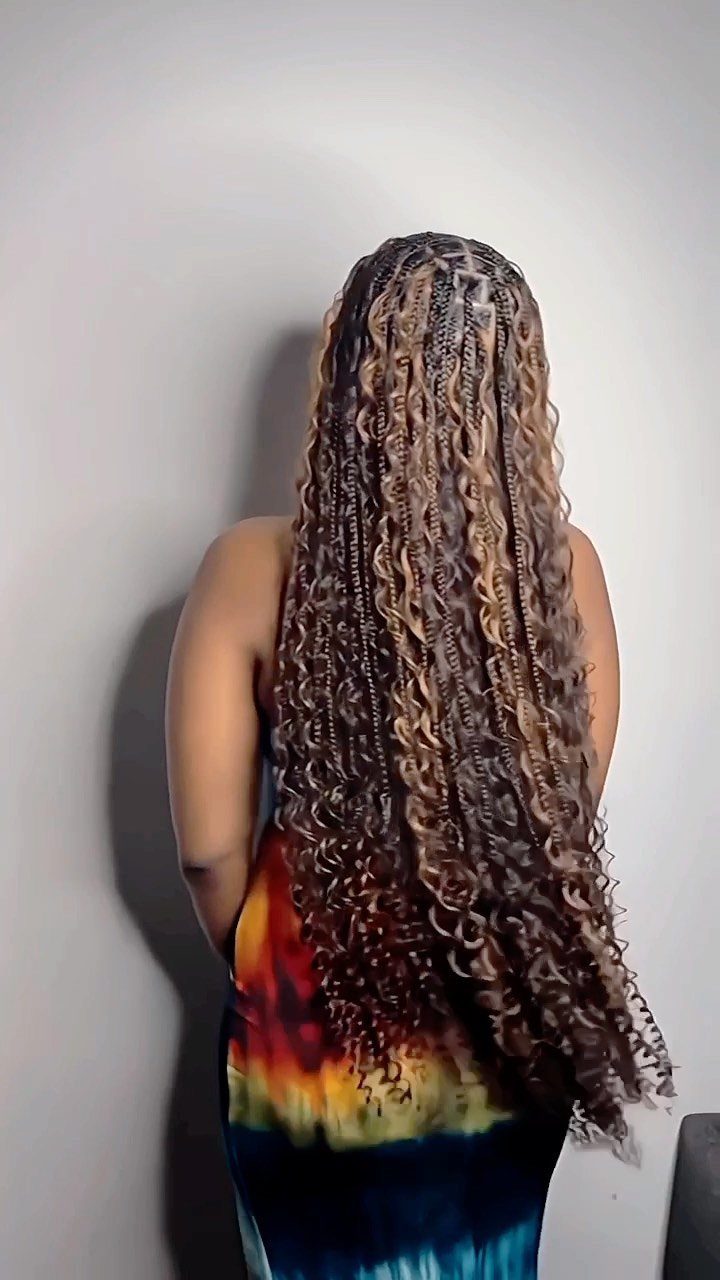
Curly ends are the detail that makes bohemian braids look soft instead of strict. The braid runs down the length, then breaks into loose curls that add volume at the bottom.
Mixing brown with blonde, as here, gives the curls some dimension.
A bright dress balances all that movement nicely. I’d pick a blend close to your natural shade for the brown, and keep the lighter strands to a few pieces.
Curly ends can tangle, so I’d tuck them away at night.
9. Goddess Braids
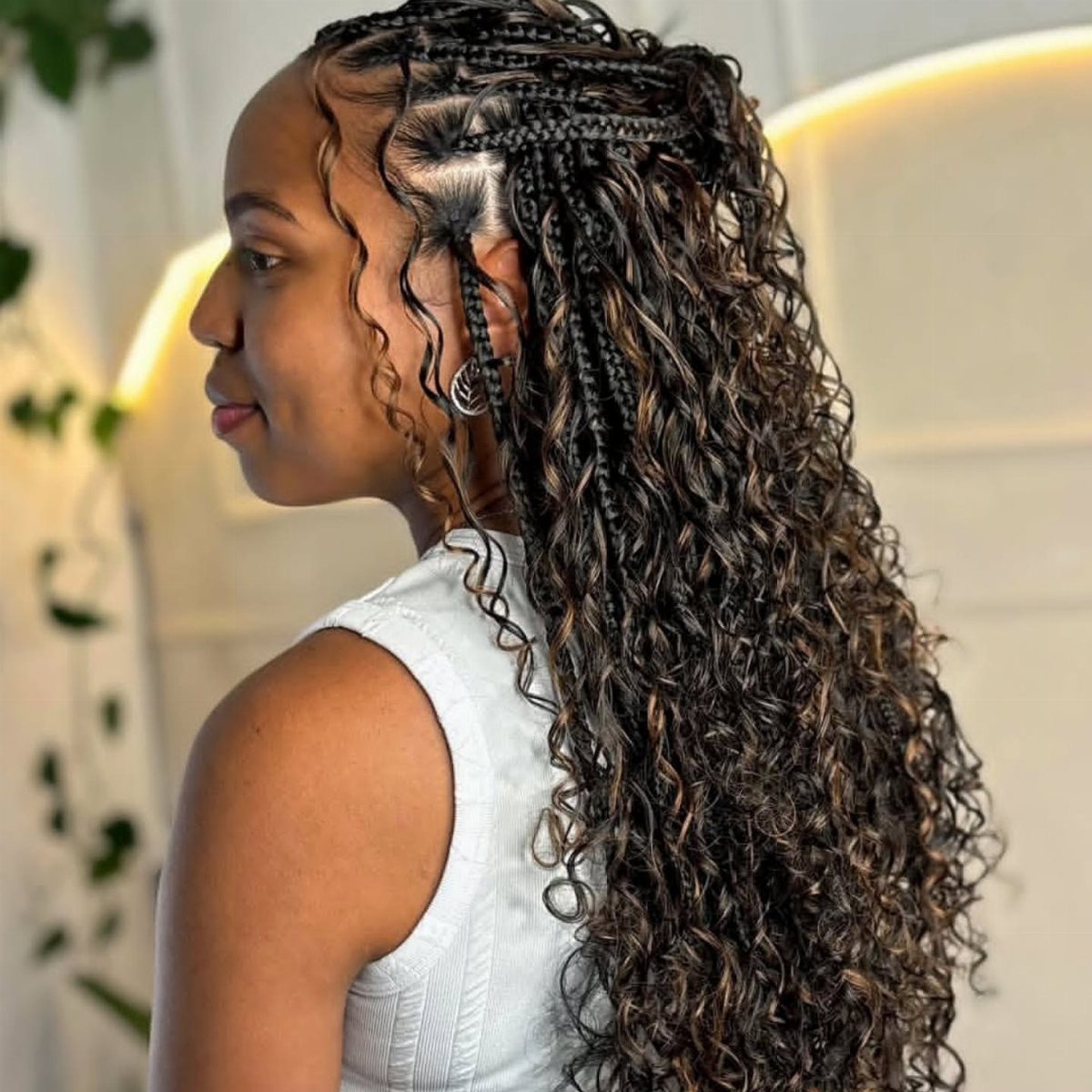
Thick, raised cornrows on top and loose curly tendrils below: that pairing defines goddess braids. The braids sit up from the scalp, which gives the style a sculpted look.
Because the top is braided flat, the part you see stays tidy while the curls supply softness. I’d choose goddess braids for a dressy plan, since a simple white top and nothing else is enough.
Slightly larger rows make the raised effect of goddess braids obvious, so go a size up from a standard cornrow.
10. Braided Updo
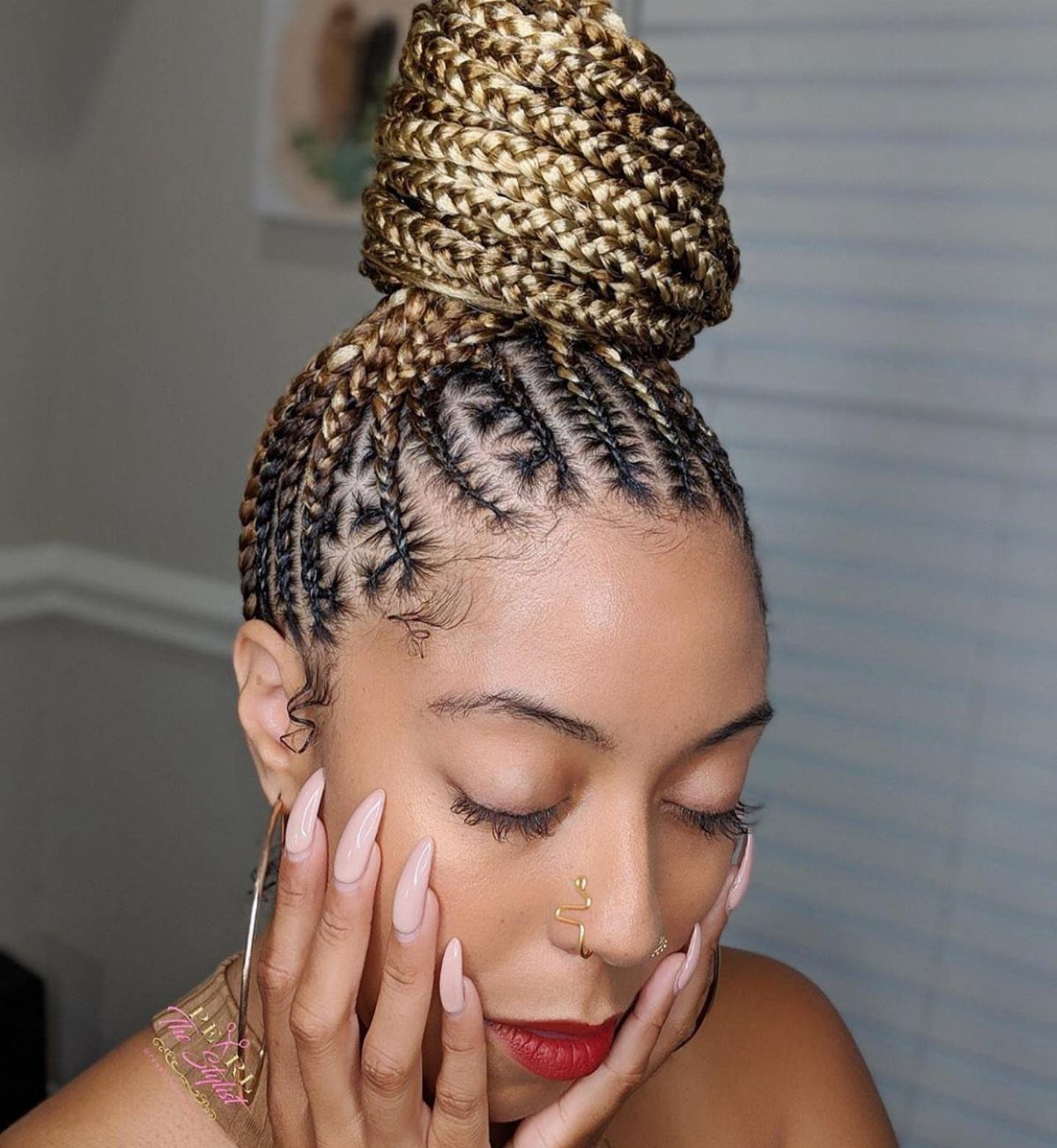
Regina King wore a braided updo to a black-tie museum gala, which shows how well braids hold up on a formal night. Piling them into a high coil keeps the weight off your neck and shows off your face.
Mixing blonde and brown braids adds depth to the coil, because the 2 tones catch light differently as the braids wrap. Bold lipstick and one statement piece, like a nose ring, are plenty.
Braids should go in first, with the coiling and pinning done after, so the updo holds through the evening.
11. Space Buns
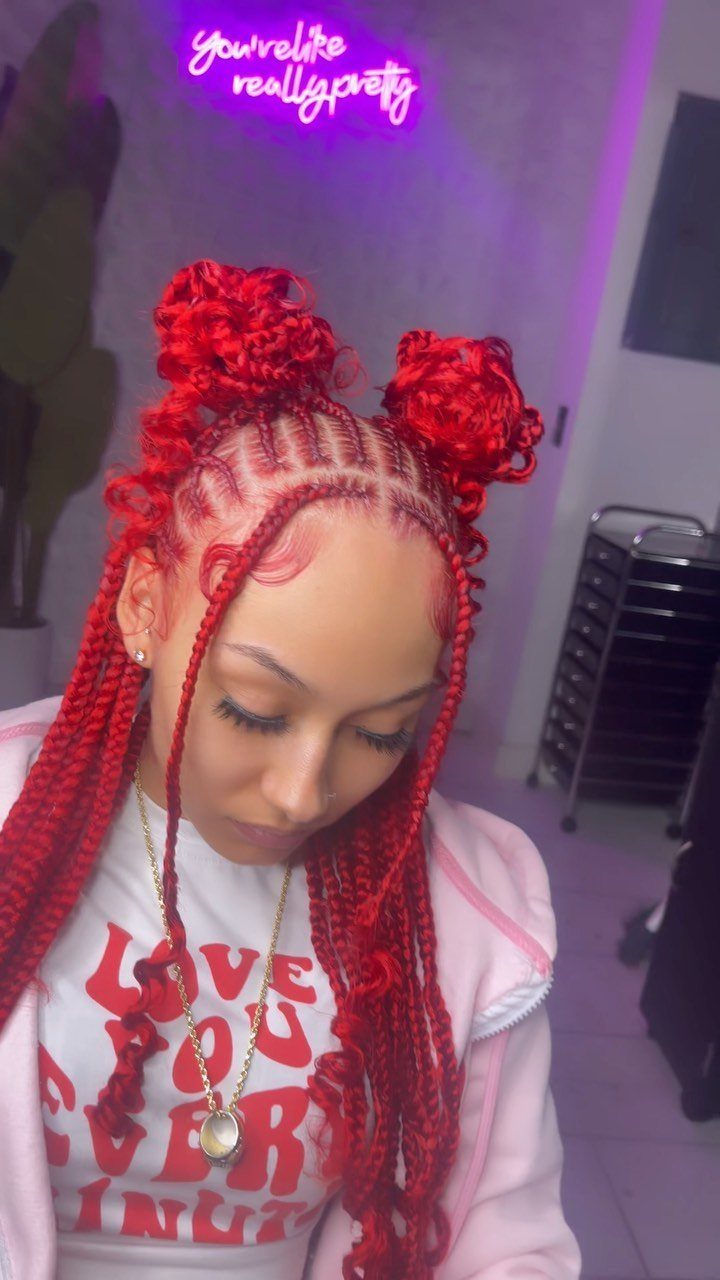
2 buns set high on the head, with long braids still trailing behind them: that is the space bun version I like best for braids. It keeps half the length up and half moving.
A bold braid color like red makes the buns stand out, and it reads clearly against light, simple pieces. Part the braids down the center, gather each side, and wrap them into a bun with a small elastic.
Keep both buns the same size so the look stays balanced. Playful, and easy to redo in a minute.
12. Short Twists
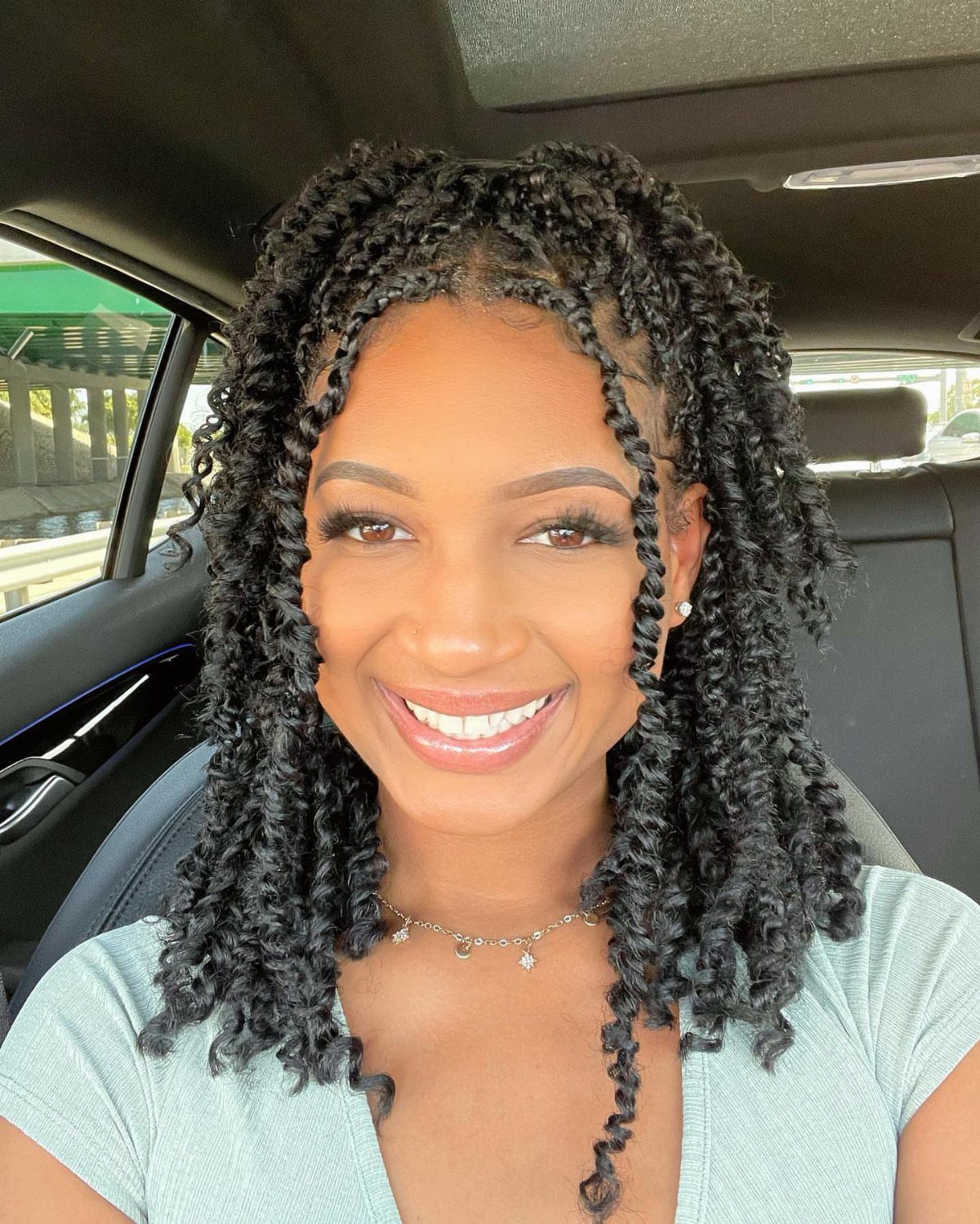
Shoulder-length twists are the low-effort end of protective styling. They stop right at the shoulders, so there is less weight pulling on your hair and less to manage each morning.
I’d choose them if long braids feel like too much commitment. They look easy and neat for errands, work or a drive, and you can push them behind your ears when you want them out of the way.
Keep the twists even in thickness for a tidy finish.
13. Marley Twists
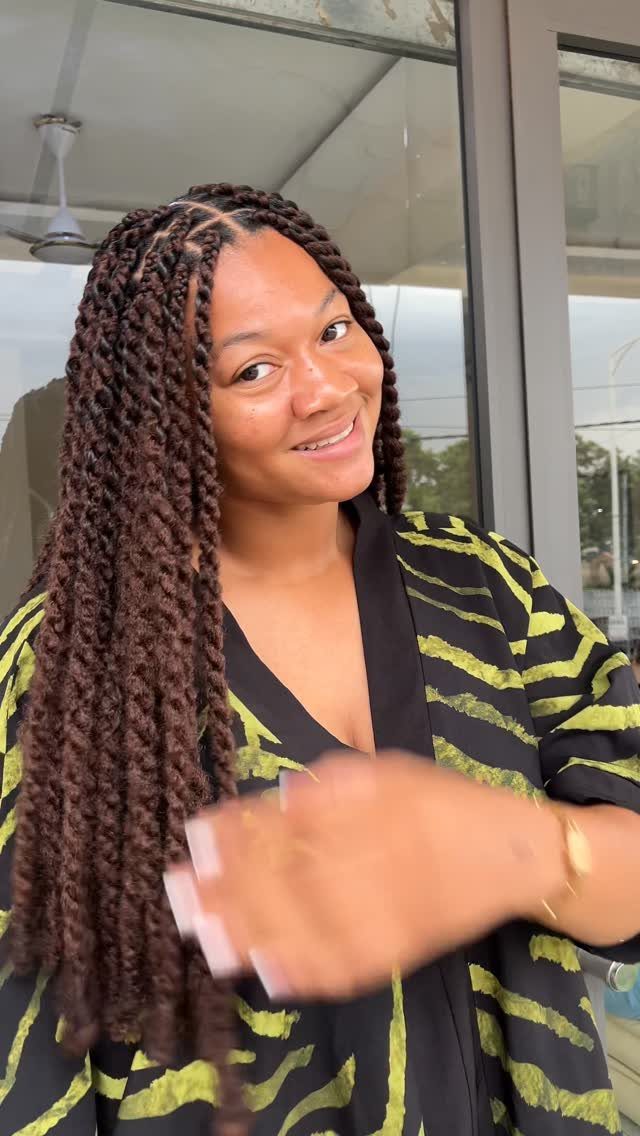
Kinky texture is what sets Marley twists apart from smoother twists: the hair has a soft, slightly coarse grip, so the twists look full and natural rather than glossy. They’re growing in popularity, and I understand why.
Long brown twists like these pair well with bold prints, because the muted color lets the pattern carry the outfit. I’d choose a shade close to your own hair for a believable blend.
Pick a length you’ll still like when it hangs past your shoulders, since the added weight pulls on the roots.
14. Two-strand Twists
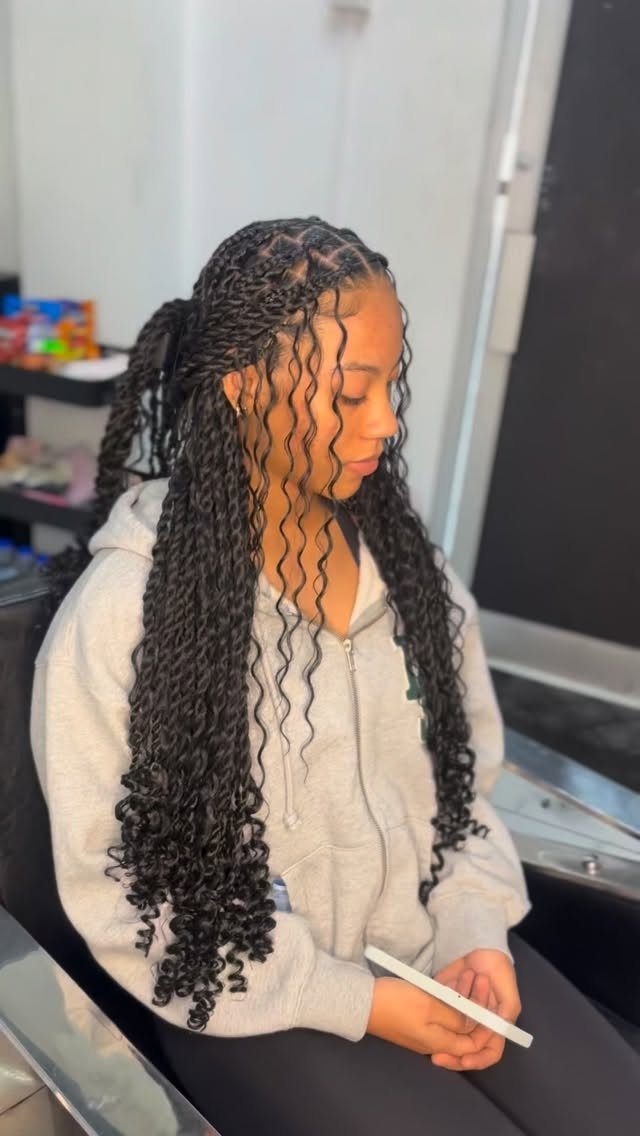
Moisture is the reason I reach for two-strand twists: two sections of hair wrapped around each other hold hydration in close to the strands.
Because they need so little daily handling, two-strand twists are one of the gentlest styles for a low-fuss routine.
Long black twists look neat in a hoodie and just as good dressed up. Leaving a few curly pieces loose around the face softens the front without adding work.
Start on freshly moisturized hair, and keep each twist even in thickness so the finish stays tidy.
Benefits of Protective Styles
A protective style works by cutting down how often you touch, comb and heat your natural hair. Less handling means less friction, and the style also shields strands from harsh weather and heat.
Length retention is not guaranteed, though. How fast hair grows depends on the person, and braids won’t speed it up; what they do is protect healthy strands from snapping, as long as moisture stays in the mix while they’re in.
Start with the healthiest hair you can. Get a trim before you braid so the ends can handle weeks of wear.
Wearing one style right after another works, provided I change the pattern or parting each time so the same stretch of hairline and nape isn’t pulled again. After extensions, try cornrows; after knots or box braids, try two-strand twists.
"Whether it’s braids, twists, buns, or wigs, protective styles give your natural hair the breather it needs to grow and thrive."
Maintenance Tips
Wash your scalp on a regular schedule even while the style is in. A diluted shampoo or a cleansing spray applied with a nozzle bottle reaches the scalp without disturbing the braids.
Moisturize lightly. A little leave-in or oil on the scalp and lengths is enough, since heavy product builds up and invites flakes and itch.
At night, cover your hair with a satin scarf or bonnet, or sleep on a satin pillowcase. That cuts friction against cotton, which is what makes frizz and fuzz.
Check your edges and roots often. If anything feels tight or sore, take the style out sooner rather than later.
Choosing the Right Style
Start with how much upkeep you will realistically do. A protective style reduces how much you handle your hair, so pick one whose daily routine you will actually follow, not the one that looks best on a screen.
Next, your own hair type should steer the choice. Fine or fragile strands do better with lighter styles that put less weight on the roots, while thicker hair can carry heavier ones.
Last comes your own look. Think about the clothes and plans you have most weeks, and choose a style that fits them.
If you are unsure, ask your braider to assess your hair before you commit.
Frequently Asked Questions
What is a protective hairstyle?
The point of any protective style is to leave your natural hair alone: less combing, less heat, and fewer chances for the ends to knot up, shed or break off. Braids, twists and knots all fit.
Do braids protect hair?
Yes, they protect healthy strands from snapping by limiting daily handling, friction, weather and heat. They only work well if you start with healthy hair, get a trim first and keep moisture in while the style is in.
If your roots feel tight or tender, take the style out early rather than waiting for the planned date.
Do protective styles help hair grow?
Not directly.
Growth speed depends on the person, and braids won’t speed it up. What they do is help you keep length by preventing breakage, as long as the hair stays moisturized while the style is in.
How long should you keep a protective style?
Most styles hold up well for 2–8 weeks, and the right length depends on the style and how your scalp feels.
Leaving a style in longer risks tangling, dryness and breakage, which defeats the purpose. Keep the scalp clean and lightly moisturized to get the longer end of that range, and take the style out early if anything feels tight.
What is the best hairstyle to sleep in to protect hair?
For sleep, braids and twists both work, as long as a satin scarf, a bonnet or a satin pillowcase sits between your hair and the bedding.
Cotton drags at the strands overnight and leaves frizz behind, and satin lets them slide. Curly-ended styles like bohemian braids tangle easily, so tuck the ends away at night.






