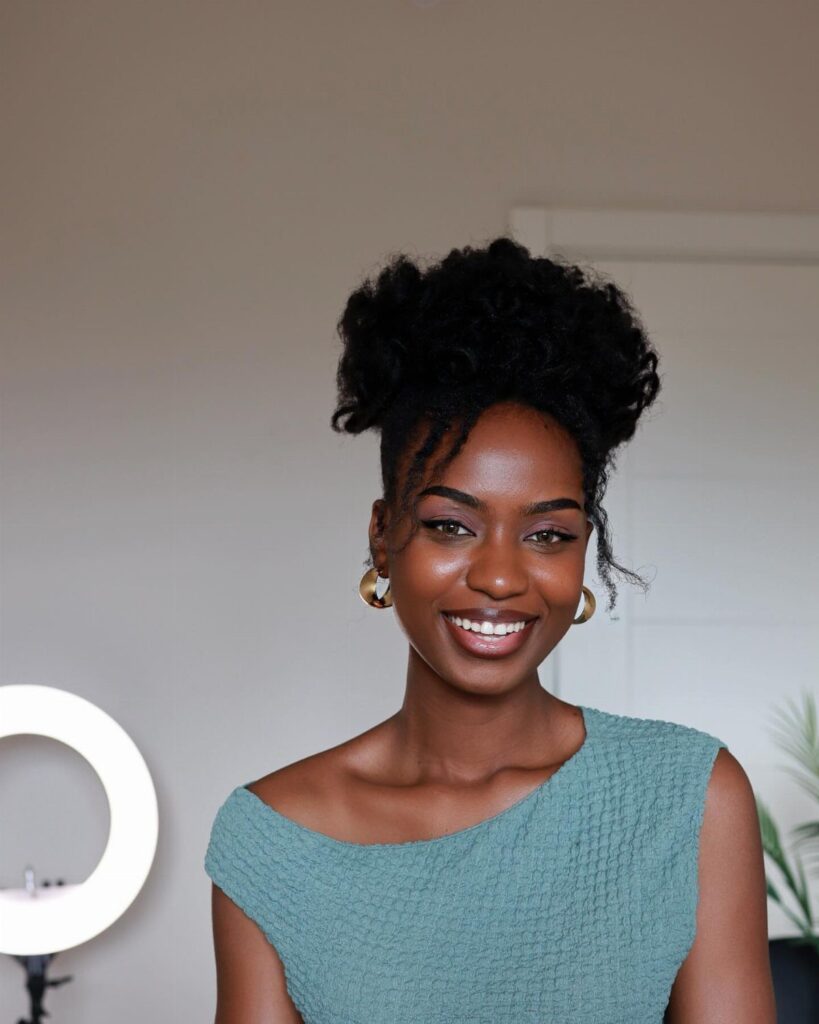
The styles below range from a quick 2-minute fluff on a Defined Rounded Afro to Bantu Knots, a Defined Twist Out with Color and a High Updo with Defined Curls, and the one that suits you depends on how much moisture your hair holds after a wash.
Curls form only when strands hold water, so a style that lets you rewet and seal your hair from start to finish will define better than one that leaves it dry.
1. Curl Defining Methods
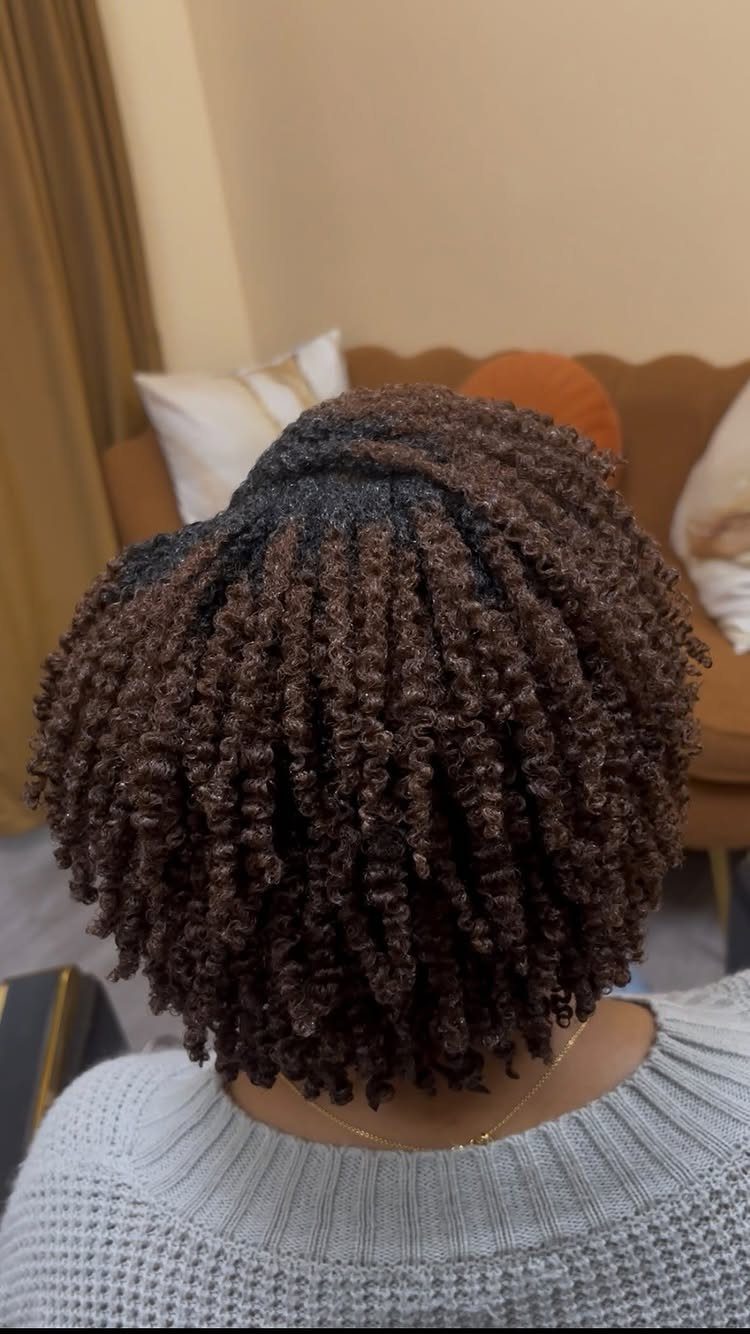
Definition on 4C hair comes from the method more than the product. Coils this uniform usually mean the hair was sectioned and styled in small, even pieces instead of raked through all at once.
I’d pick one technique and repeat it on every section, because mixing methods across the head is what makes definition look patchy. Work on damp hair, not dry.
I don’t have a figure for product amounts, so start light and add more only where a section looks frizzy.
2. What Is Type 4C Hair?
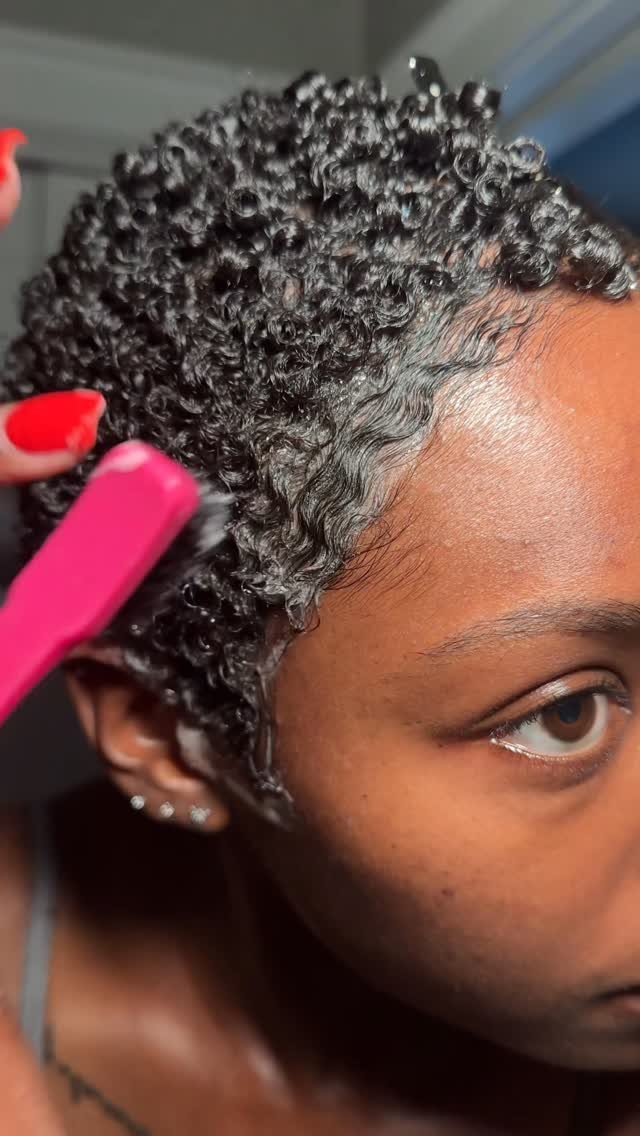
Tight, springy coils and heavy shrinkage define 4C hair. Stretched out, a section can look far longer than it does once it springs back, so length surprises people.
A pink comb is a fair tool for shaping near the temple and hairline, where a small, light tool gives more control than a big pick.
I’d use it gently and only on damp hair, since dry 4C coils resist and break.
Treat shrinkage as part of the texture, not a flaw. Plan styles around how the hair looks when it’s relaxed into its coils.
3. Bantu Knots
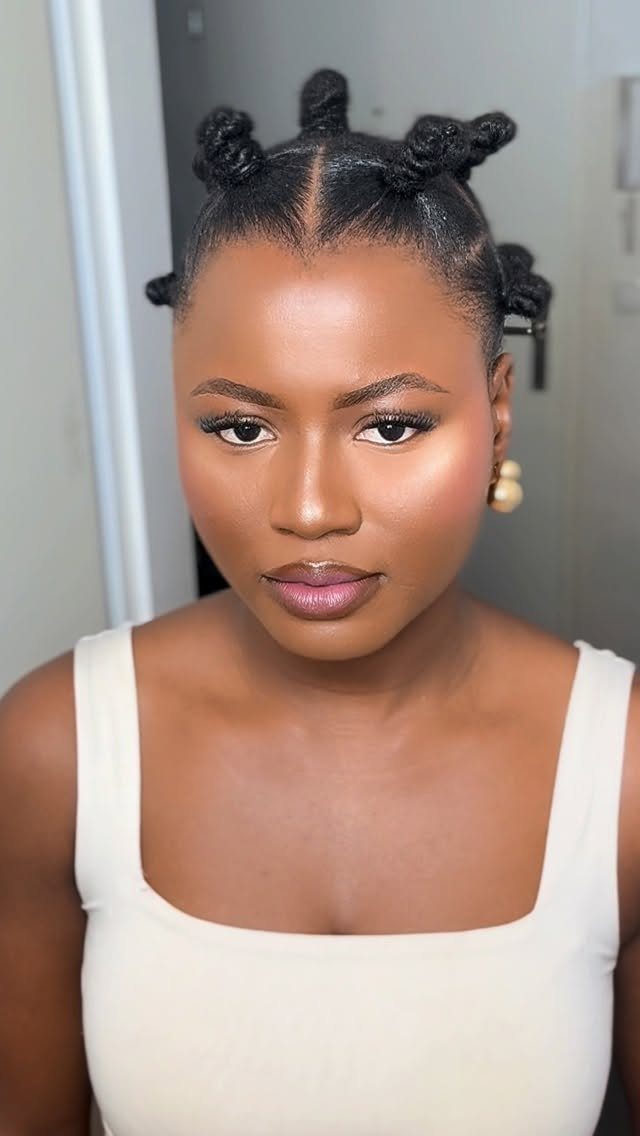
Parting decides how Bantu knots turn out. Divide the hair into enough sections for the number of knots you want, and keep each section about the same size so the knots sit evenly.
Smaller sections give a tighter, more polished look, but they take longer to part and wrap. I’d choose fewer, larger knots on a busy day.
Clean, straight parts matter more than any product here, since the scalp shows between the knots.
4. Short Defined Coils
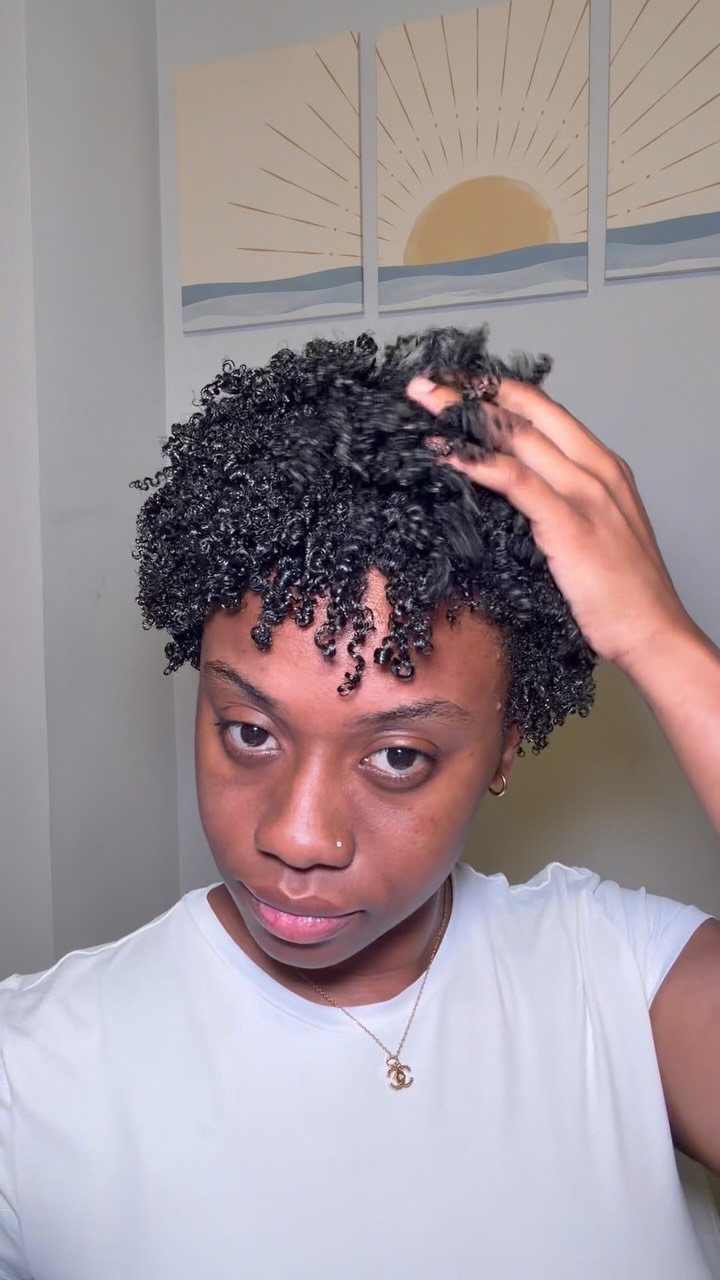
Short hair makes definition easy to read. Every coil shows, so a style like this one rewards even product application and a clean shape more than length.
For a cut this short, I’d focus on working through small sections so each coil clumps instead of frizzing. A light hand with product keeps the coils from looking weighed down.
The trade-off: gaps and uneven spots are harder to hide, so patience at the sectioning stage pays off.
5. Defined Rounded Afro
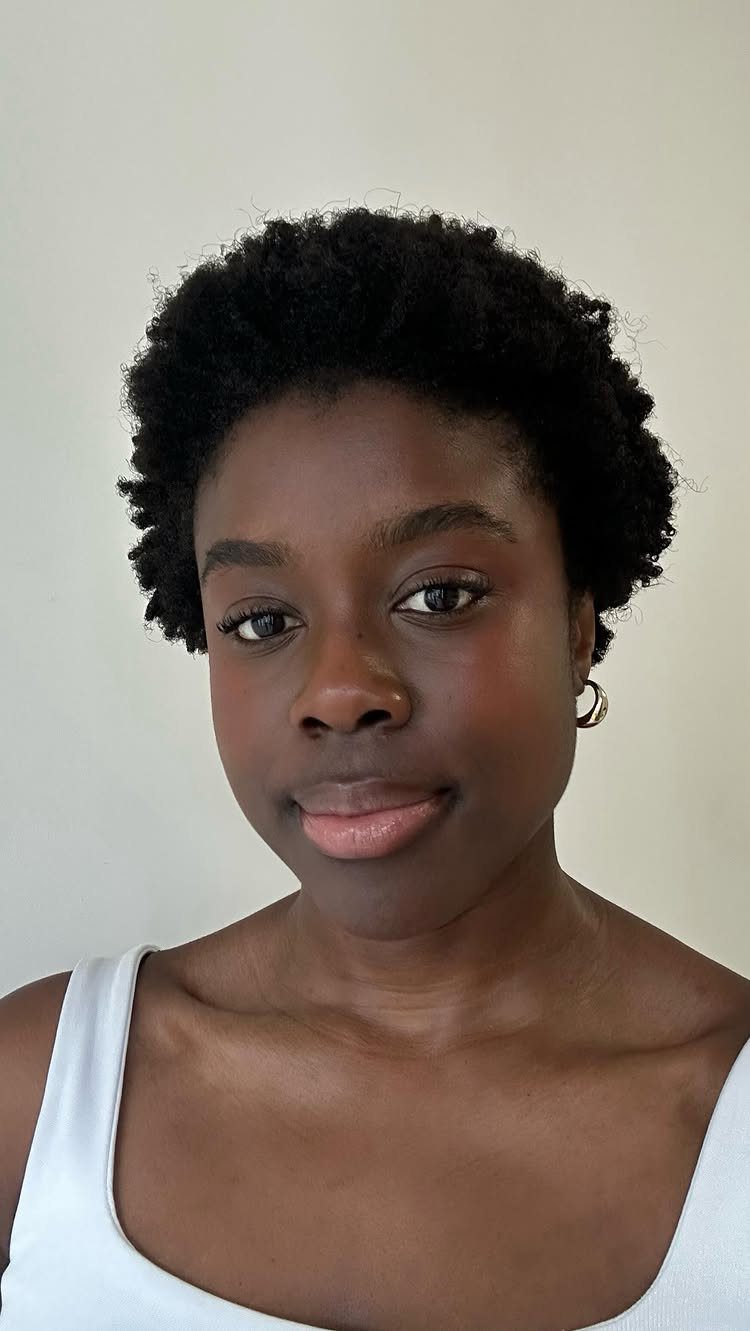
A rounded afro asks for symmetry. Shape it from the crown outward, checking both sides in a mirror, so the outline stays even all the way around.
I like it on short natural hair because the shape does the work and needs no styling beyond a good fluff and trim. Keep the hair moisturized, since a dry afro loses its defined, rounded outline fast.
Gold hoops suit this cut well because nothing hides the ears.
6. Coiled Space Buns
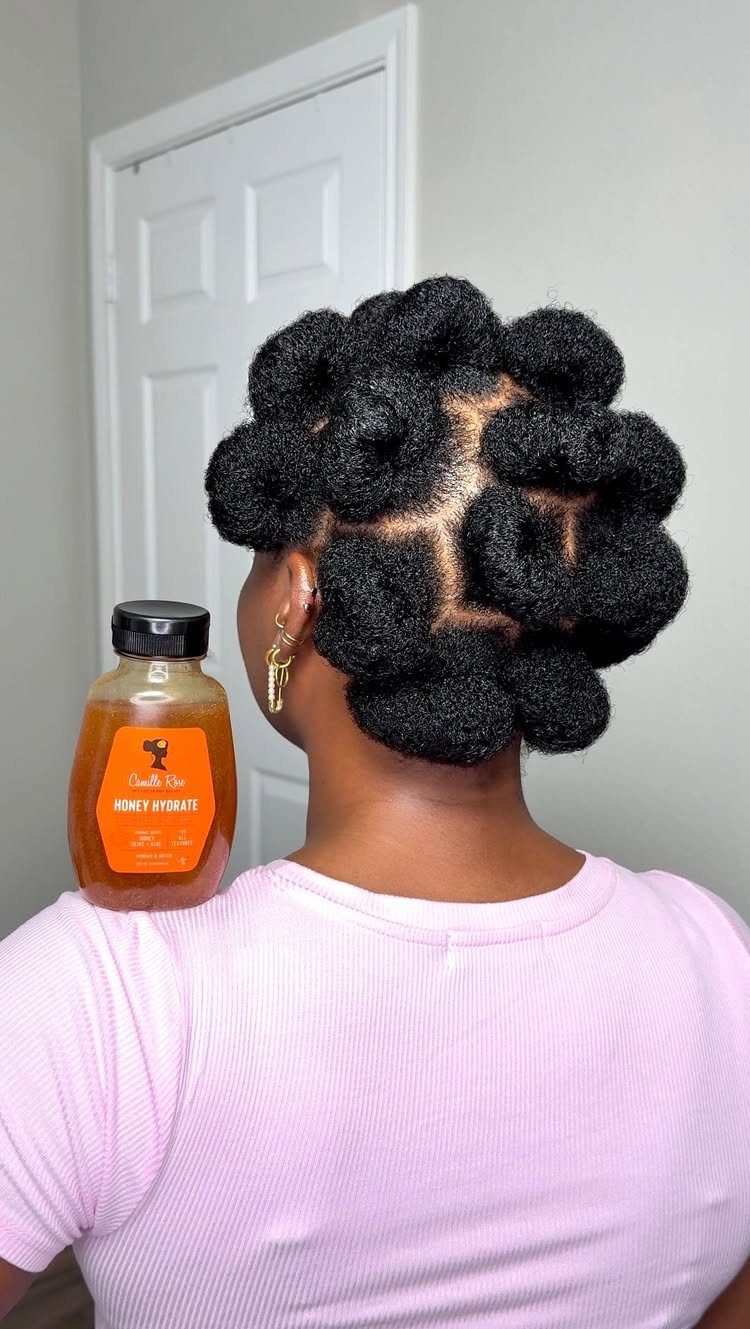
2 small buns can carry a whole look, and defined coils make them easy to shape. Gather each side at the crown and twist the coils around the base instead of pulling them tight.
Moisture helps here. A leave-in or cream, such as Camille Rose Honey Hydrate, keeps the coils soft enough to wrap without snapping.
I’d keep the part straight and the buns the same size. Uneven buns read as accidental.
7. Defined High Ponytail
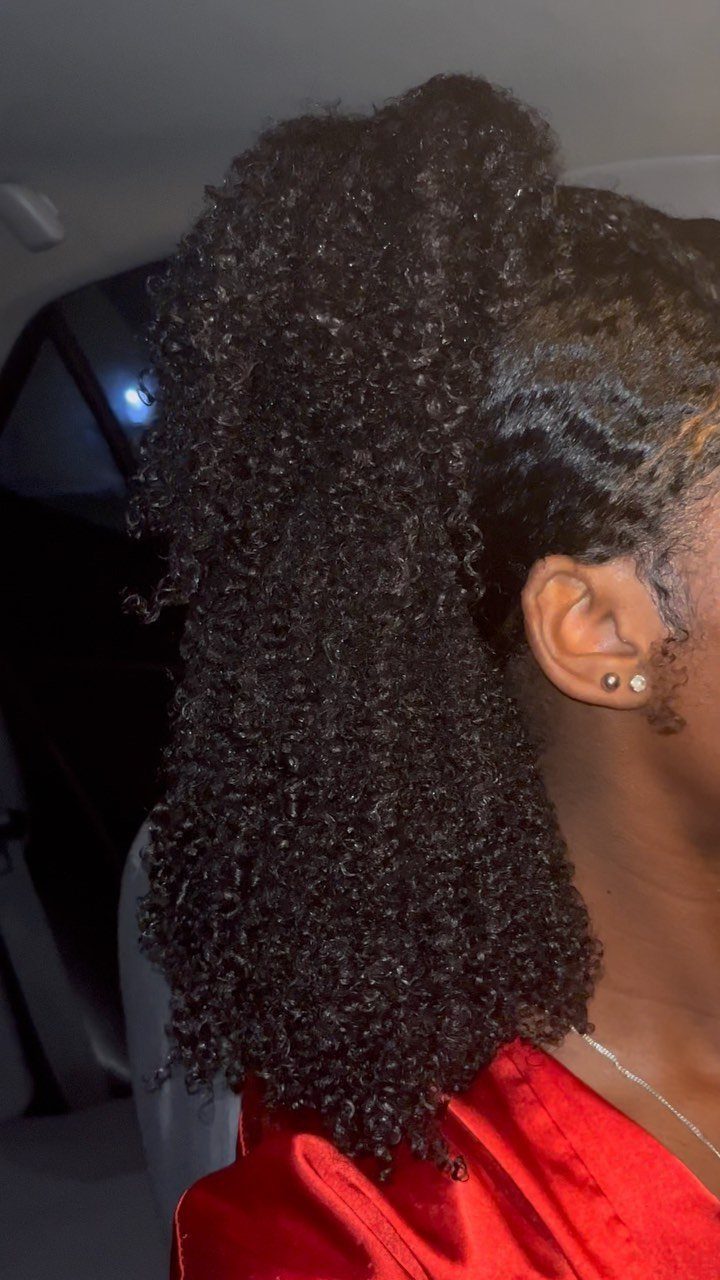
A high ponytail on 4C hair works best when the coils stay defined and the base sits tight at the crown. Smooth the hairline gently with a light hand, then gather everything to one point.
I’d keep the hair damp while gathering, since dry coils fight the band and frizz at the front. A soft elastic holds better than a thin one and is kinder to the strands.
Let the ponytail itself stay full and springy. Brushing it out flattens the very definition that makes the style.
8. High Updo with Defined Curls

Volume is the draw here: a high updo built from tight, defined curls, piled up so the shape looks full from every side.
Pin or band the hair at the crown first, then arrange the curls around that anchor and leave them uncombed. I’d work on damp, moisturized hair so the coils hold their pattern instead of puffing out.
A tall updo on defined 4c hair takes a few tries to balance, since the height shifts with how much weight sits in the crown. Check it from both sides in a mirror before you leave the house.
9. Defined Twist Out with Color
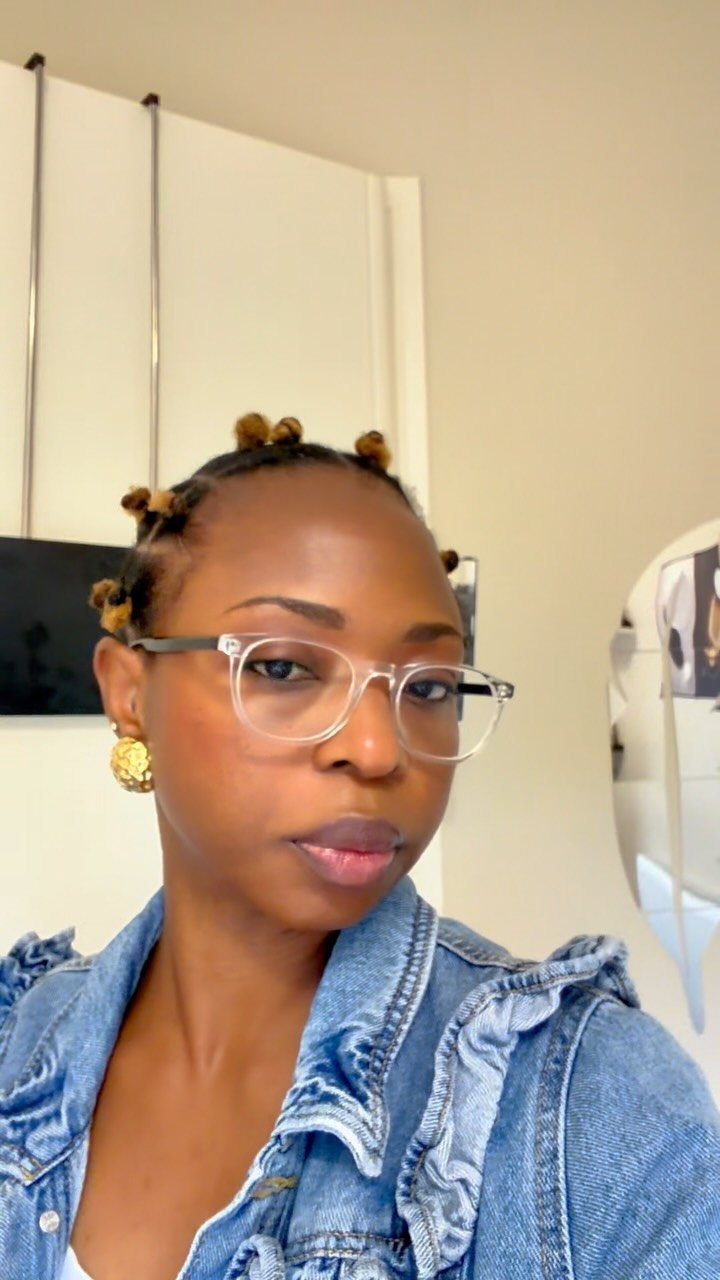
Small two-strand twists, taken out, give 4C hair its most reliable definition, and warm golden-brown tips add a soft glow at the ends.
Twist on damp, moisturized hair in small, even sections, because section size sets how uniform the pattern looks. I’d unravel gently, with oil on my fingers, rather than pulling the twists apart.
Color only on the tips is the lower-commitment way to try the look. It leaves most of the hair in its natural shade.
10. Reddish Brown Defined Coils
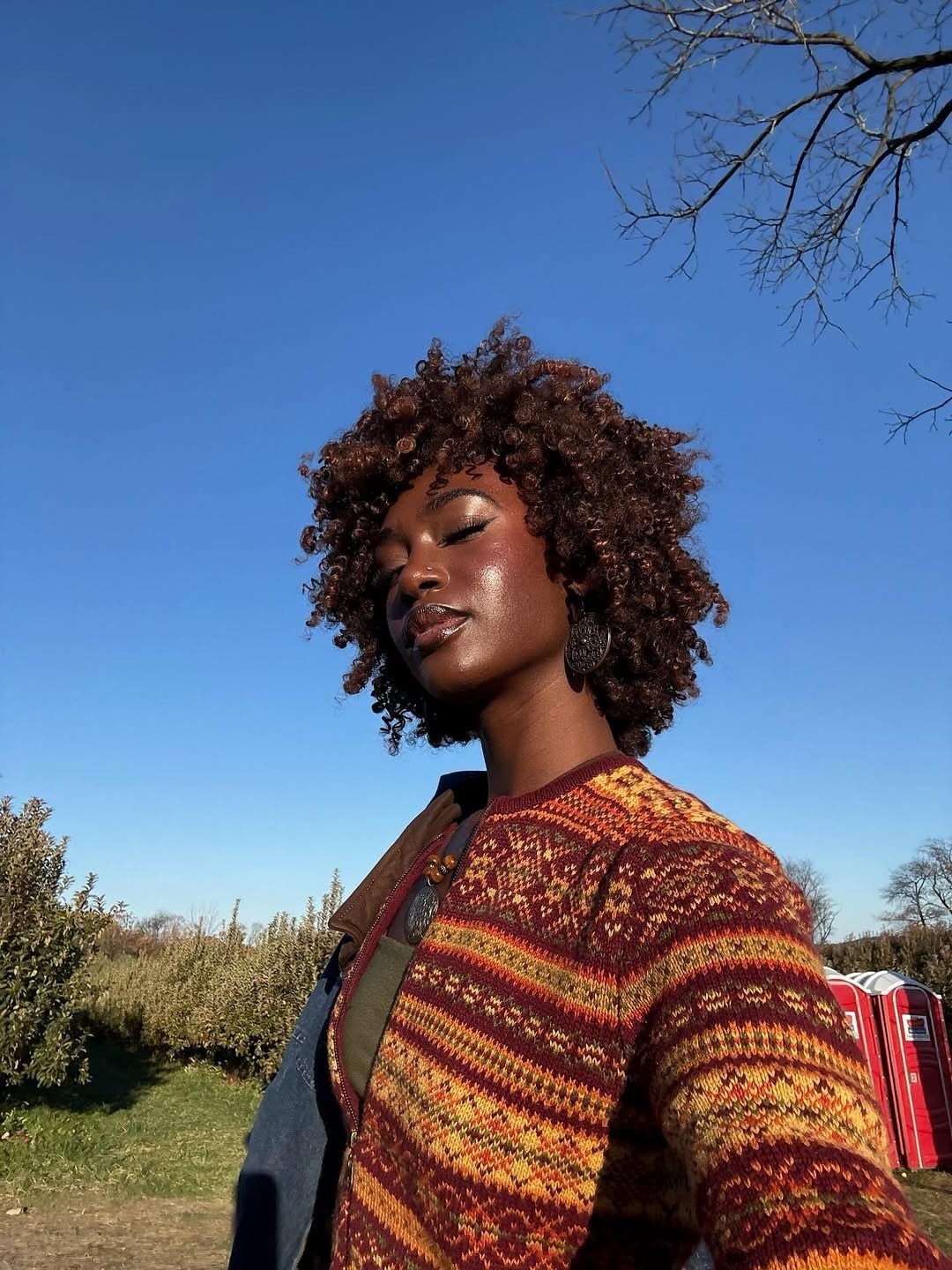
Reddish-brown suits shoulder-length 4C hair because the warm tone makes every coil in a full shape easier to see.
Keep the hair moisturized, since colored hair dries out faster and definition fades with it. I’d shape the volume with fingers instead of a brush, so the curls stay clumped.
A reddish tone also looks good against patterned knits and other warm, textured clothing.
11. Half Up Buns with Curls
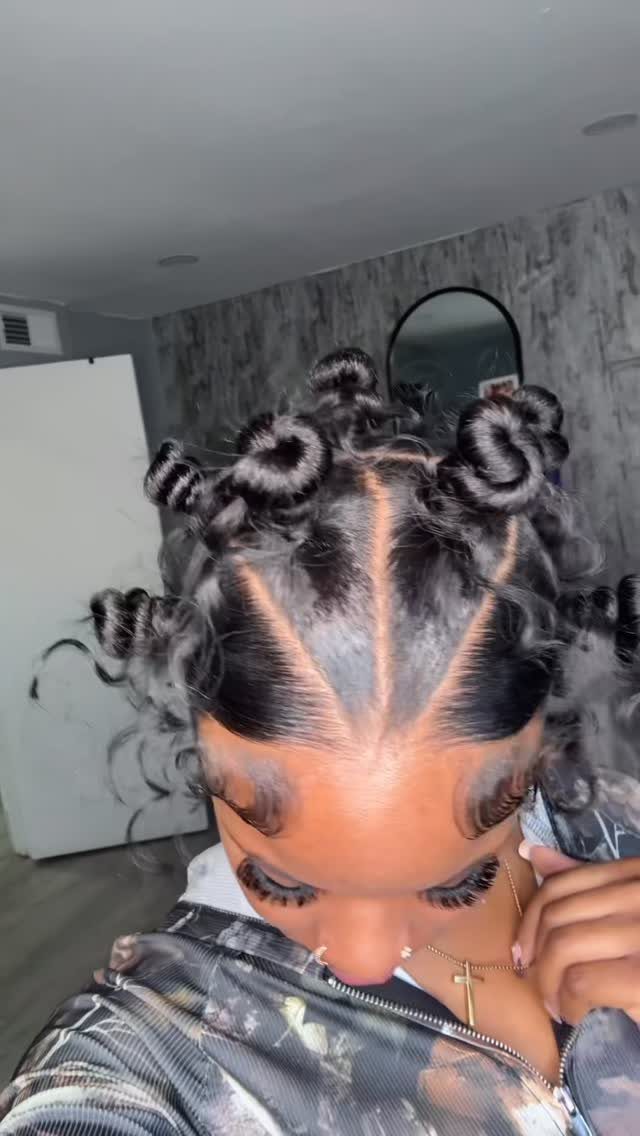
Glossy curls with a few small buns on top make a style that feels finished but takes little effort. The shine comes from moisture, so apply a leave-in or cream to damp hair before setting the curls.
Pull only a few sections up into the buns, and keep them small and even so they read as accents. I’d leave the rest of the curls down and undisturbed.
Skip heavy layering of product. It dulls the shine instead of adding it.
12. Side Braid Bun with Tendrils
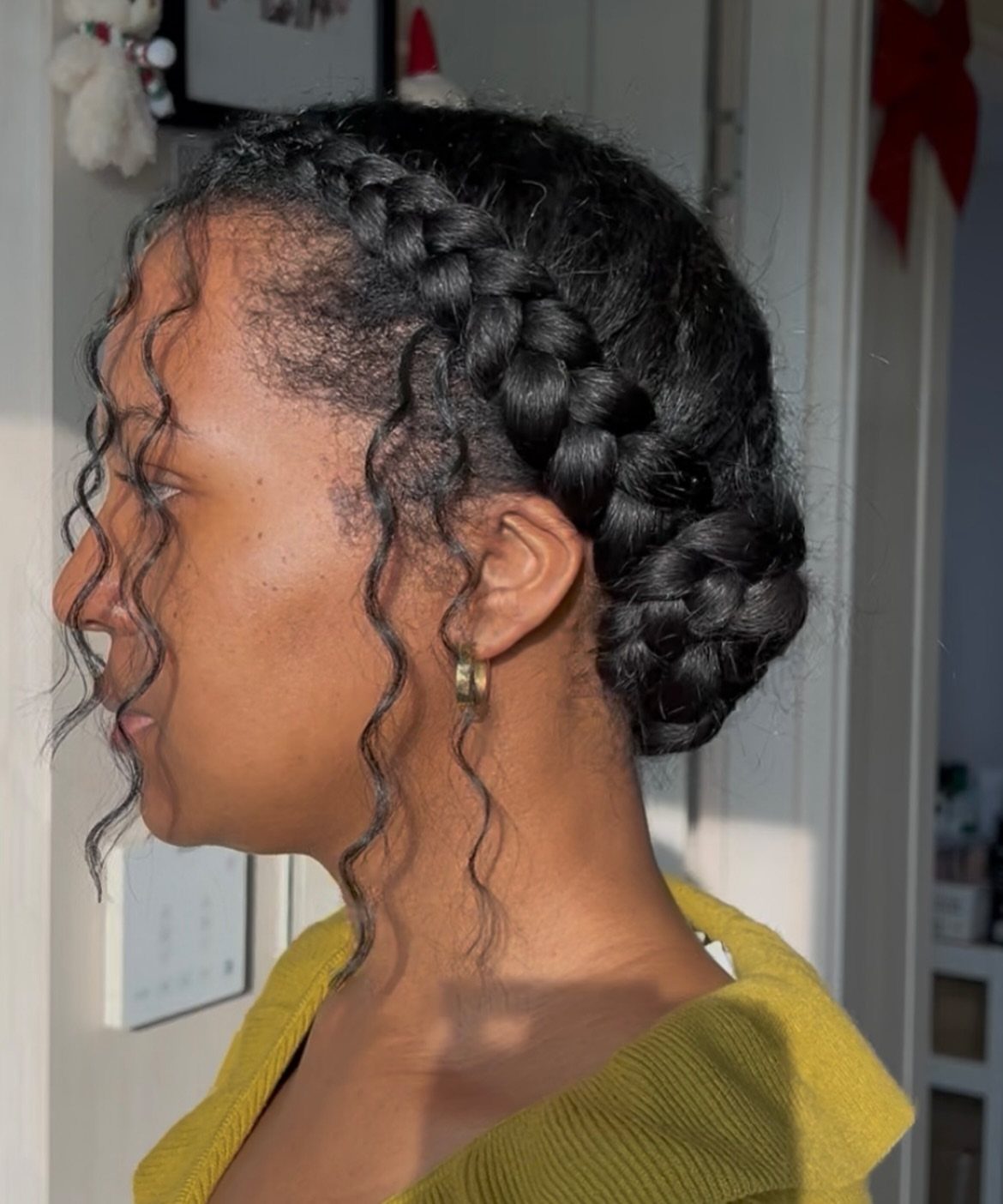
Loose tendrils are what soften a braided side bun. Pull out a few small, defined curls at the front and sides after the bun is secured, not before.
Braid the hair to one side, coil it into a bun, and pin it flat. I’d leave the tendrils thin, since too many turn a neat bun into a messy one.
Dampen those loose curls lightly with a bit of cream so they keep their shape through the day.
Understanding 4C Hair Characteristics
Shrinkage is significant, so what you see on wash day is not the length you have.
Expect a mix of textures on one head: waves, coils, curls and zigzags, sometimes within a single strand. Some 4C hair shows very little visible curl until styling product goes on, and that is normal, not a sign of damage.
Of everything on this chart, 4C asks for the most moisture. Build your routine around that first, and choose styles second.
Despite the overwhelmingly positive curly hair movement encouraging everyone with all curl types and textures to embrace their hair, there doesn’t seem to be enough information about caring for and styling 4C hair.
— Hair.com
Importance of Moisture
Structure explains the dryness.
Scalp oil has to travel a long, winding, zigzag path down each strand, so the ends rarely get what straighter hair gets. Replacing that moisture by hand is the job.
Hair that is dry or damaged can’t bend into a curl pattern, so chasing definition without fixing hydration first gets you nowhere.
A quick test: watch your hair before and after a wash. Healthy coils bounce back into shape almost as soon as they get wet.
Leave-in conditioner, a hair cream and an oil make a solid starter set. I’d test one product at a time so you know what actually helps.
Curl Pattern Diversity
Curl pattern starts at the follicle. More oval or asymmetrical follicles produce curlier hair, and in 4C the sharp curve of the shaft creates the tight zigzag.
Because patterns vary from section to section, one product may clump the coils at your nape and weigh down the waves near your crown. Test products in a few spots before committing the whole head.
If one area stays frizzy, give it a little more cream or a different technique rather than changing everything. The mix of textures is your baseline, so judge results against your own hair.
Frequently Asked Questions
How do I define my 4C curls?
Hydration comes first; after that, choose a single method, whether finger coils, twist-outs or shingling, and stick with it on every damp section so the pattern stays even.
Twist-outs are the most reliable method: small two-strand twists on moisturized hair, unraveled gently with a little oil on your fingers.
How do I tell if my hair is 4C or 4B?
Look at coil tightness and how clear the pattern is.
Look at the shape of the strand: 4B tends to fold into sharp Z-shaped angles that vary from one strand to the next, and 4C is tighter still, so tight that you often can’t see single curls until you stretch a section.
4C also shows the most dramatic shrinkage.






