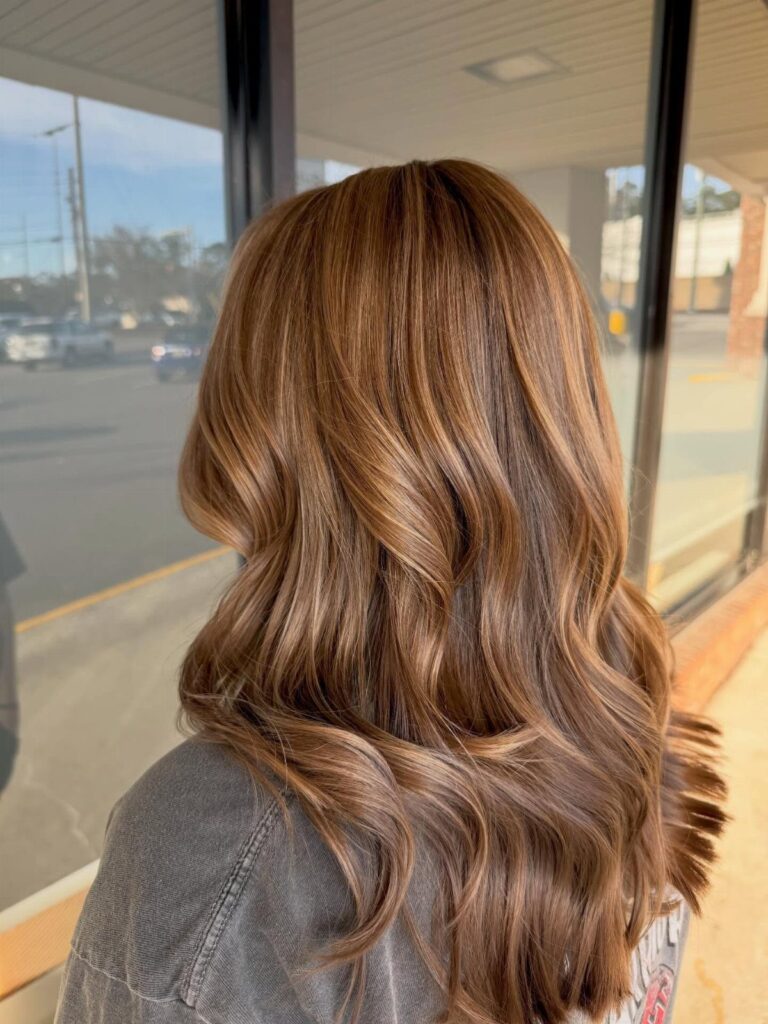
Your natural base decides which of these colors you can live with: staying within a couple of shades of your own brown keeps regrowth soft, while a full jump to pale blonde means regular salon visits.
The list runs from Espresso Brown, where regrowth barely shows, to Fiery Copper, which tends to fade sooner than the natural shades.
1. Caramel Highlights
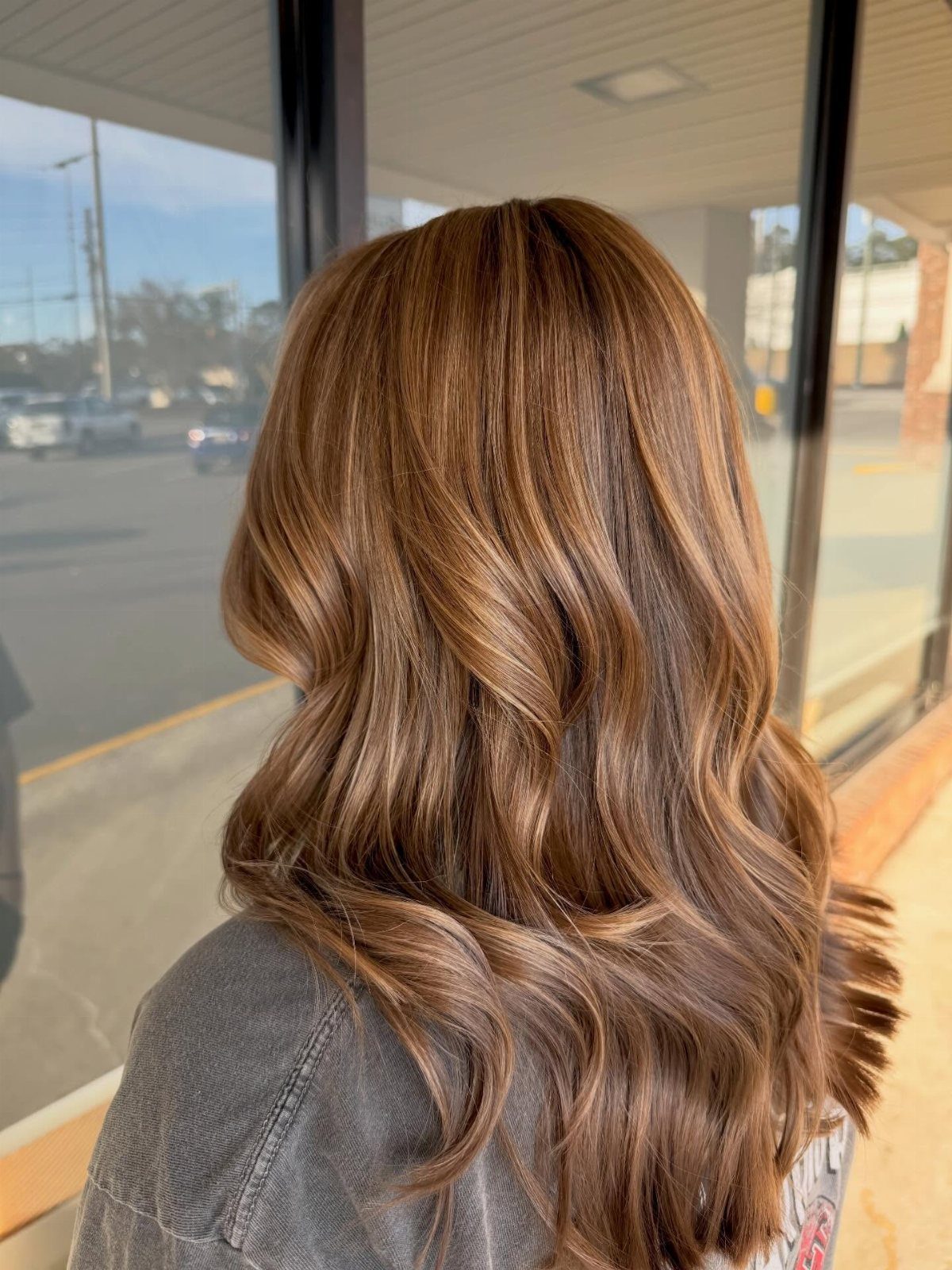
Caramel highlights work best when they stay within a couple of shades of your natural brown, so the color reads as sun on the hair instead of stripes.
On long, wavy hair like this, the waves break the color up and make it look even softer.
Caramel highlights beat a heavier blonde for fall color with fewer root touch-ups, since the grow-out blends into a brunette base. Ask your colorist for warm, not golden-yellow, tones.
2. Honey & Toffee Balayage
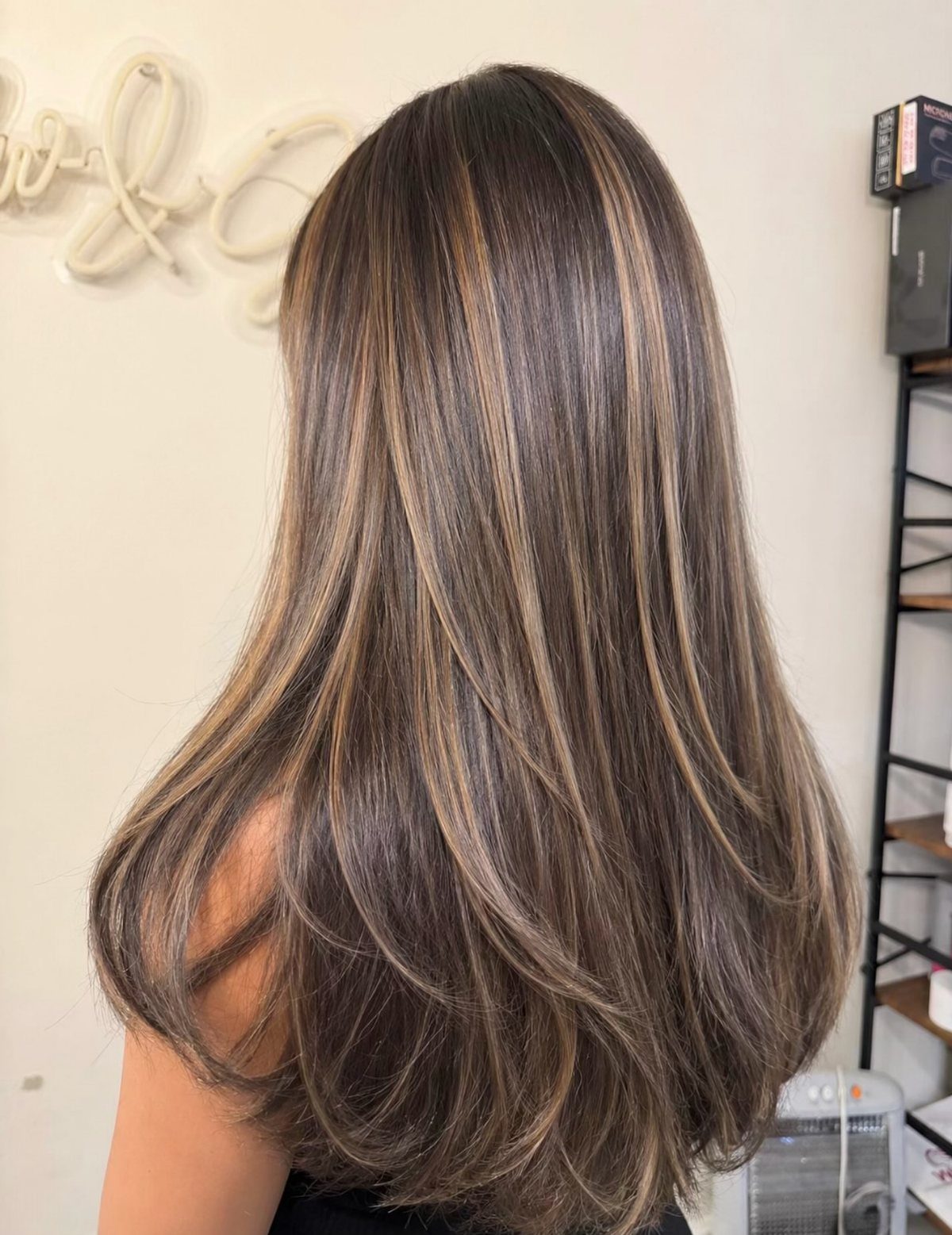
Honey and toffee sit close enough together that the balayage looks like one glowing layer instead of two separate colors.
Hand-painted color blends into brown roots with no hard line, which is why a smooth blowout shows it off so well.
Brunettes who want brightness around the face and through the ends without losing their base color will get the most from this one. Tell your colorist you want soft and dimensional, not chunky.
3. Chestnut Brunette
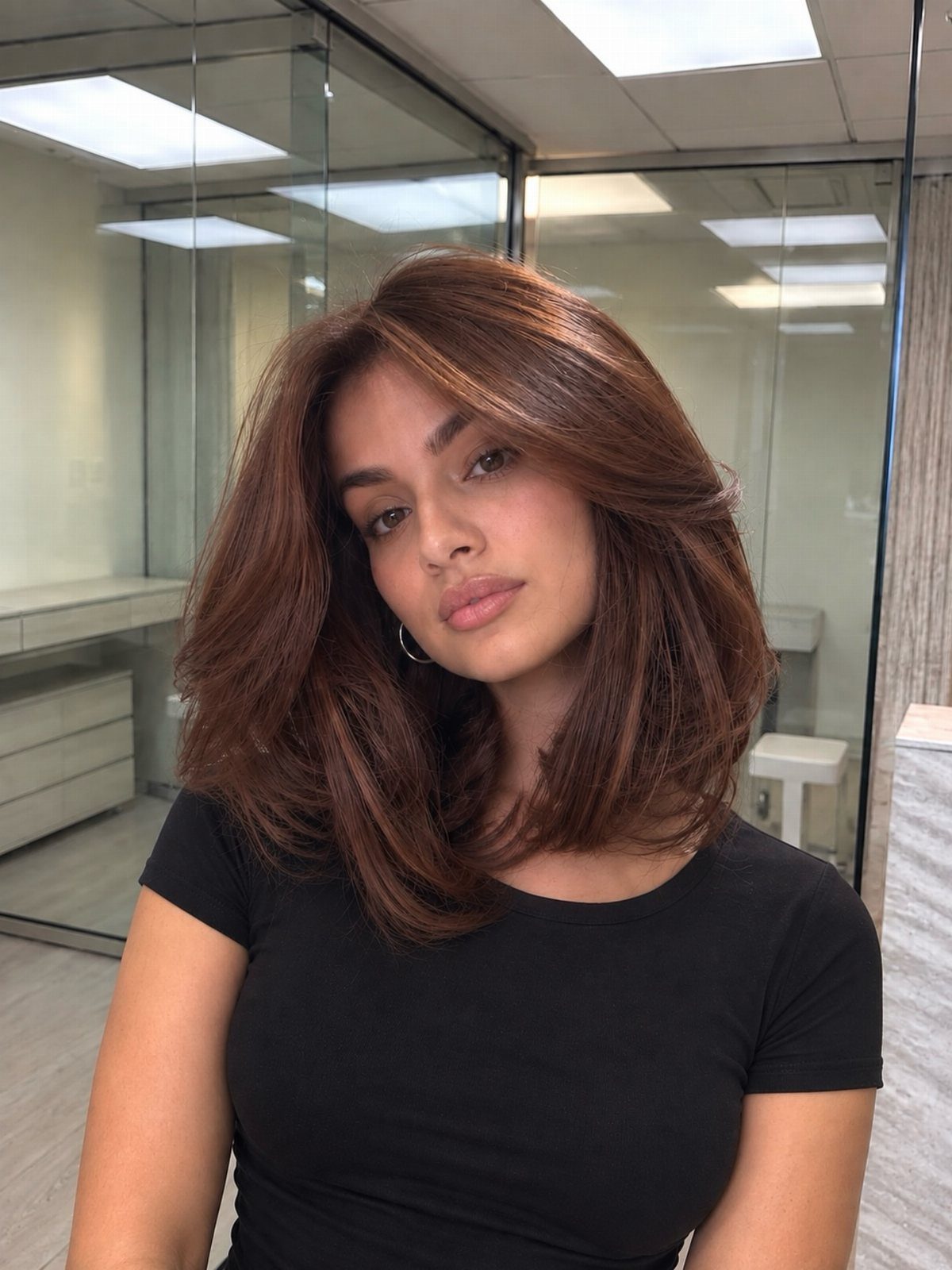
A rich, chocolatey base with caramel woven through it gives chestnut brunette its depth, and the volume in medium-length hair makes those highlights catch the light.
Because the base stays dark and warm, it suits a woman who wants a change that still looks like her own hair.
I would keep the caramel to a few fine pieces rather than broad sections, so the chestnut stays the main color.
4. Cinnamon Copper
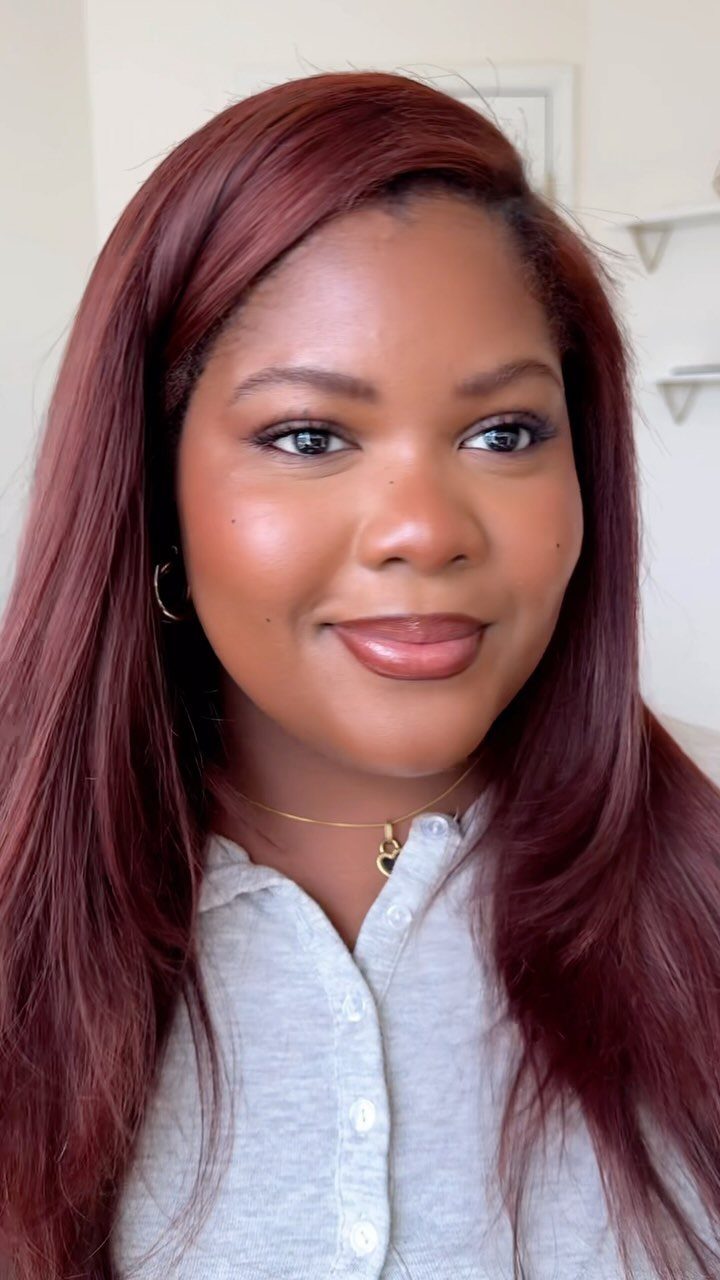
Red-brown with a warm copper glow, cinnamon is the shade I reach for when brown feels flat but full ginger feels like too much.
It sits well against gold jewelry and neutral knits, so the sweaters and necklaces already in your closet work with it.
Long hair shows the shift from deeper roots to brighter lengths nicely. Copper fades faster than brown, so plan on a color-safe shampoo to keep the warmth.
5. Honey-Drizzled Blonde
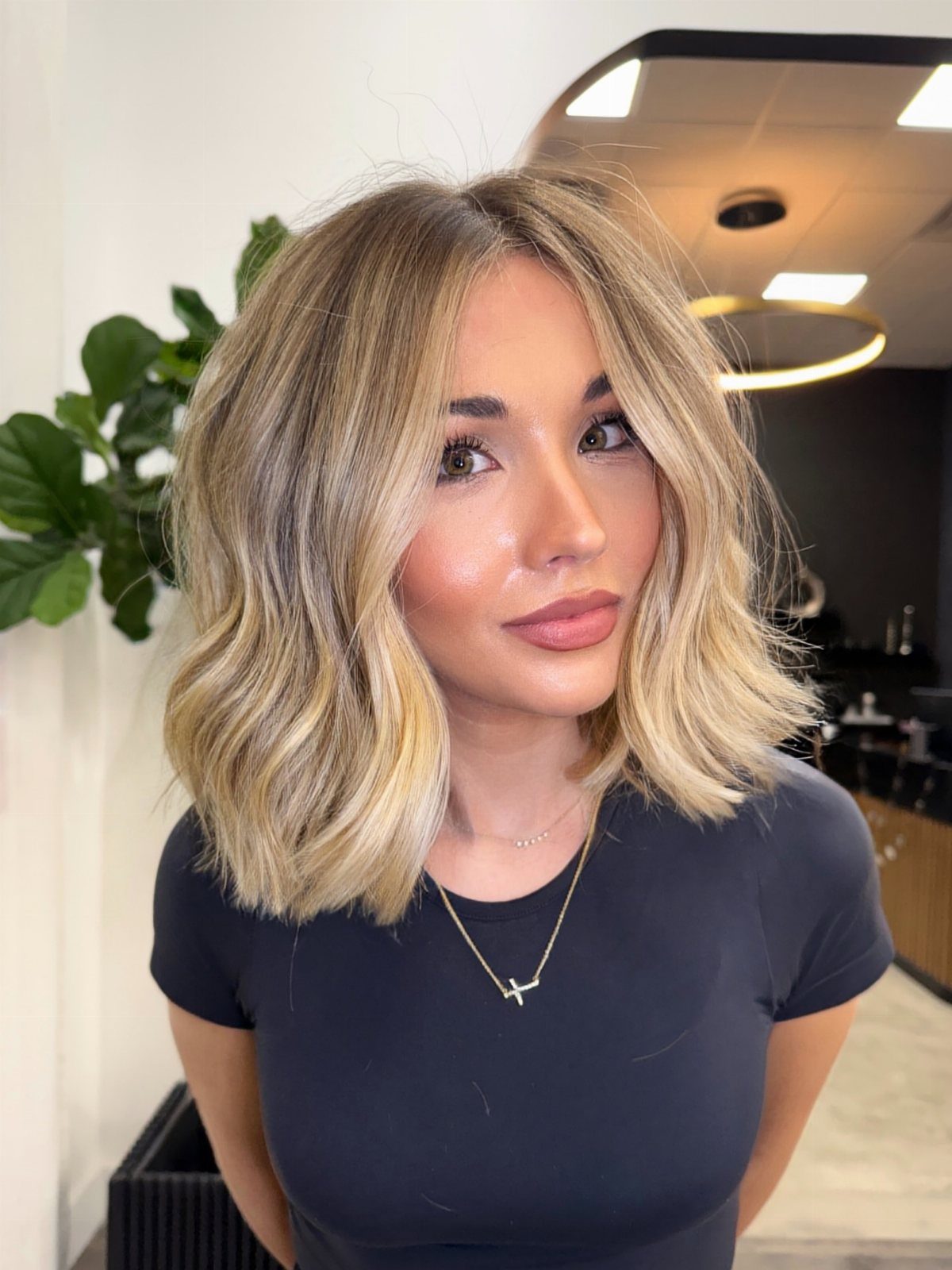
Honey blonde looks richer when the roots stay a little lighter brown instead of being lifted all the way up. That soft shadow adds depth and makes regrowth look planned.
Wavy, shoulder-length hair gives the warm blonde plenty of movement. A honey-drizzled blonde gives you brightness without the upkeep of constant root lightening, which a pale blonde demands.
6. Fiery Copper
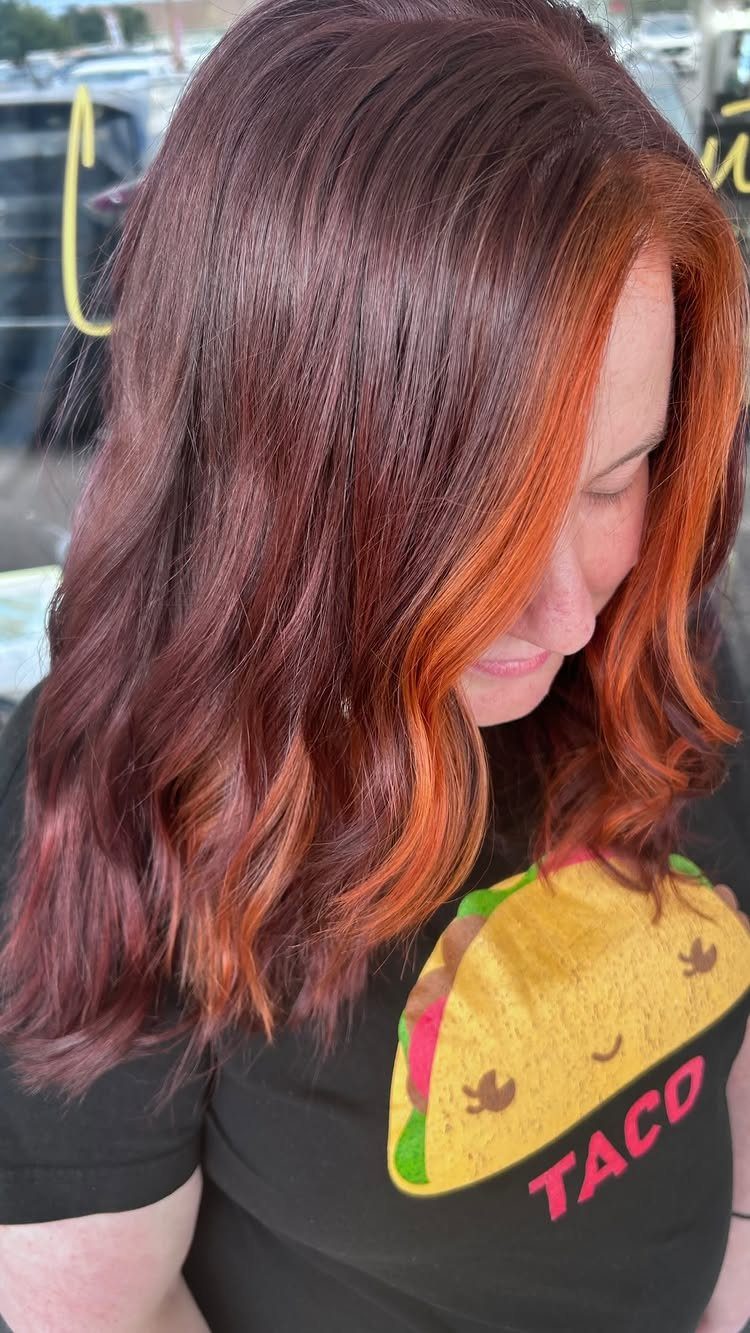
Bright orange-copper with deep red running through it is the loudest shade here, and also the most fun to wear. Wavy texture helps, since the red tones show in the shadows of each curve.
It asks for commitment: vivid copper is a bold choice, and it tends to fade sooner than natural shades. If that feels like too much, a cinnamon version gets you the same warmth with less intensity.
7. Mushroom Brown
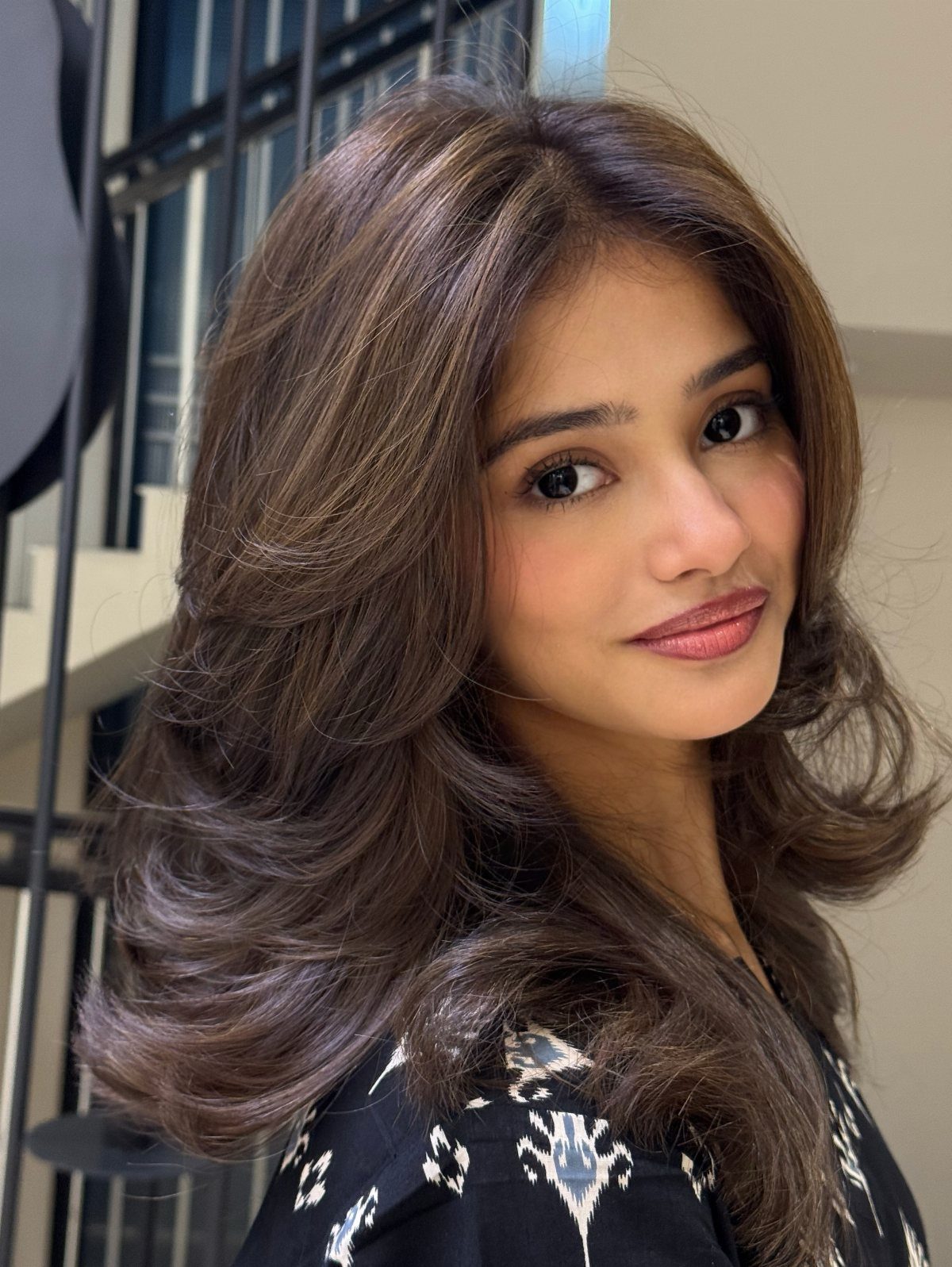
Mushroom brown gets its depth from gray undertones, which cool the brown down instead of warming it. Subtle highlights keep mushroom brown from going flat, and big, voluminous waves give those cool, ashy tones room to catch the light.
It suits a woman who finds golden brunettes too sweet. Ask your colorist for dimension, a few shades within the same cool family, so the gray reads as intentional.
8. Pumpkin Spice
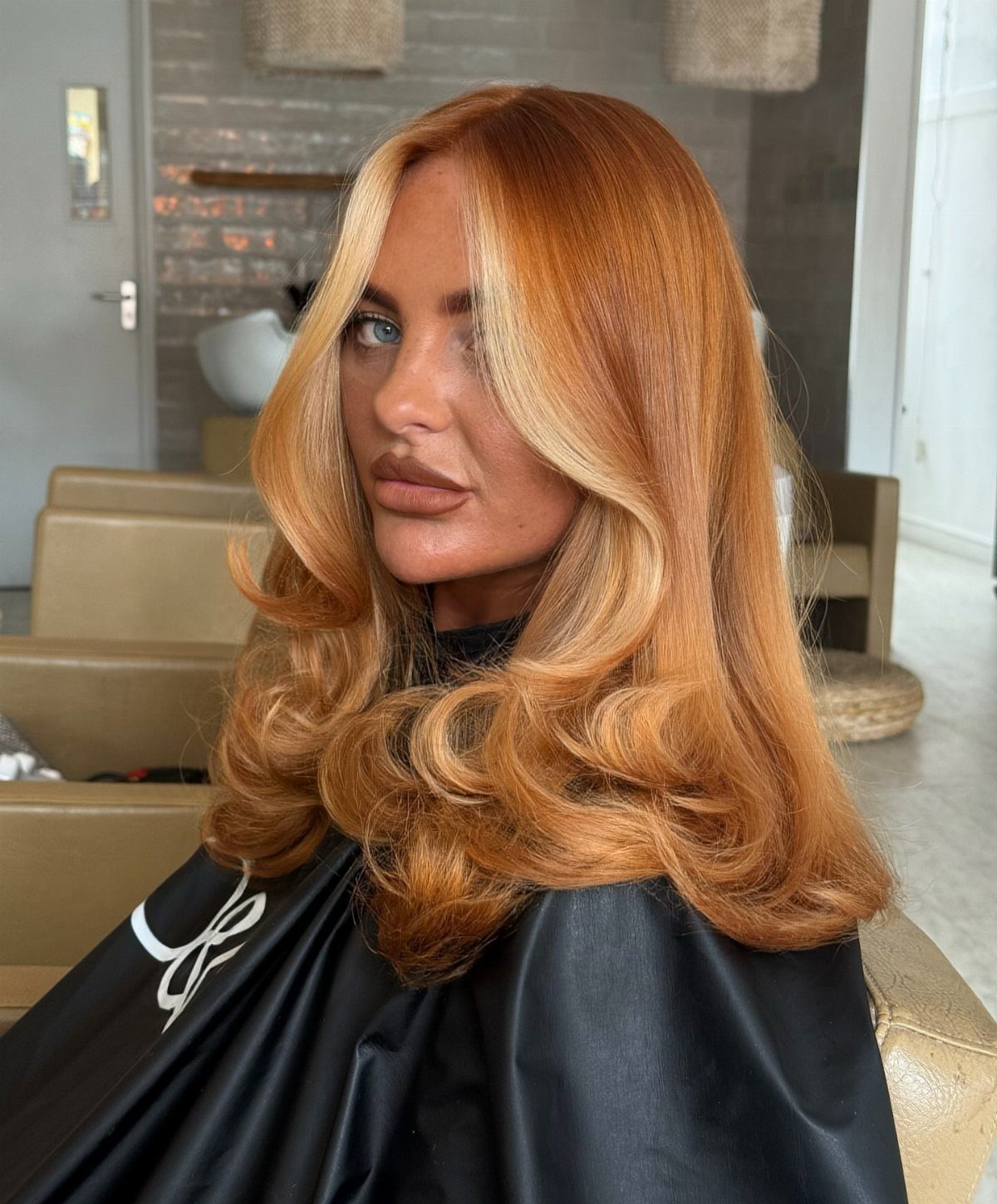
Pumpkin spice is blonde with the gold turned up and a little strawberry and copper stirred in. On long waves, the warm tones separate from one another and the color looks lived in.
For a blonde who wants fall warmth without going fully red, this is the best copper on the page. Bring a photo to your colorist, since "copper-blonde" means different things to different people.
9. Chocolate Cherry
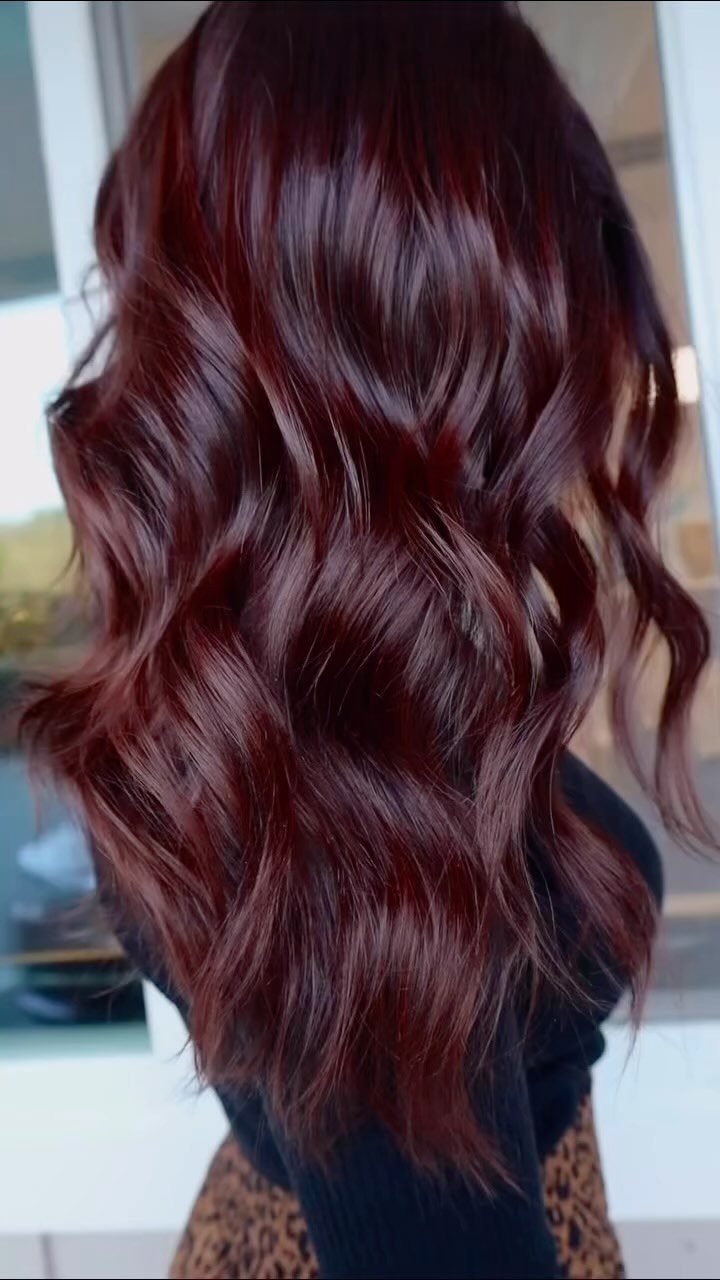
Chocolate cherry is a deep brown with red undertones that show up mostly in movement and in natural light. Indoors it reads as dark brown; step outside and the red appears.
That makes it a gentle way into red for anyone nervous about a loud shade. Long, wavy hair gives the color room to shift as you move.
10. Mulled Wine
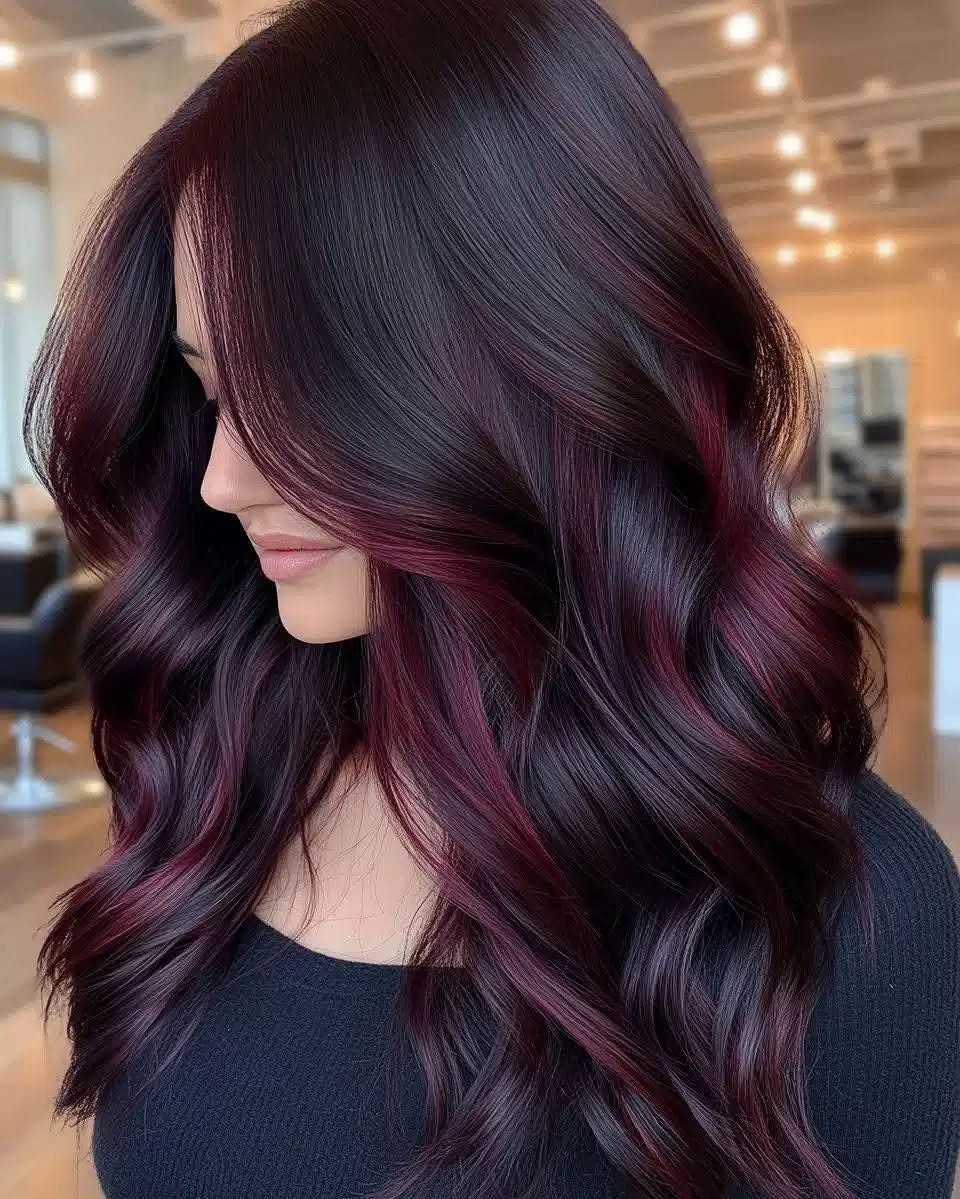
Mulled wine mixes deep merlot with berry-black, so the hair looks nearly dark until the light hits it and the burgundy surfaces.
Of every shade on this page, it is the one I would pair with a black sweater and gold hoops.
It is a darker, moodier cousin of chocolate cherry, with more purple in it. Long, wavy hair shows the 2 tones best, because each wave flips between them.
11. Espresso Brown
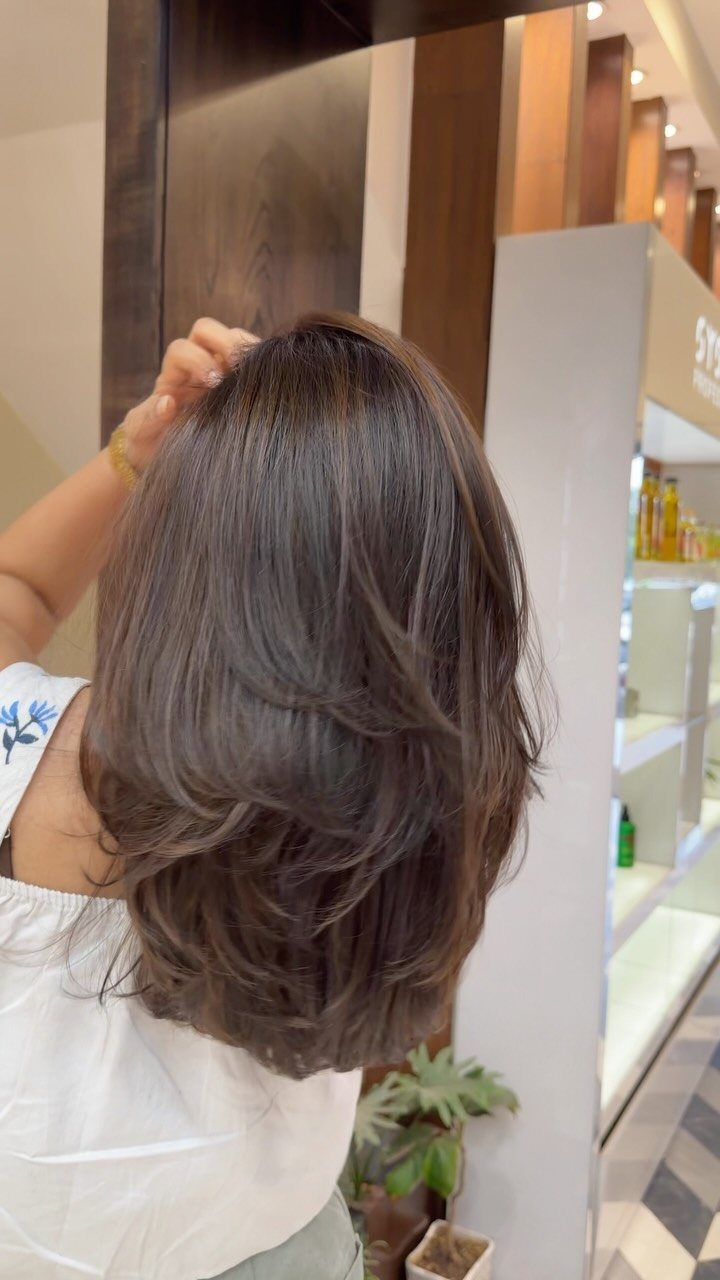
Espresso brown is the classic: a rich, deep shade that makes hair look thick and polished, and layers at shoulder length keep it from feeling heavy.
I like the subtle highlights in this version.
They stop a very dark color from reading as one flat block. For the least fuss of any color here, espresso is where I’d send you, since regrowth on a dark base barely shows.
12. Teddy Bronde Via Hannah
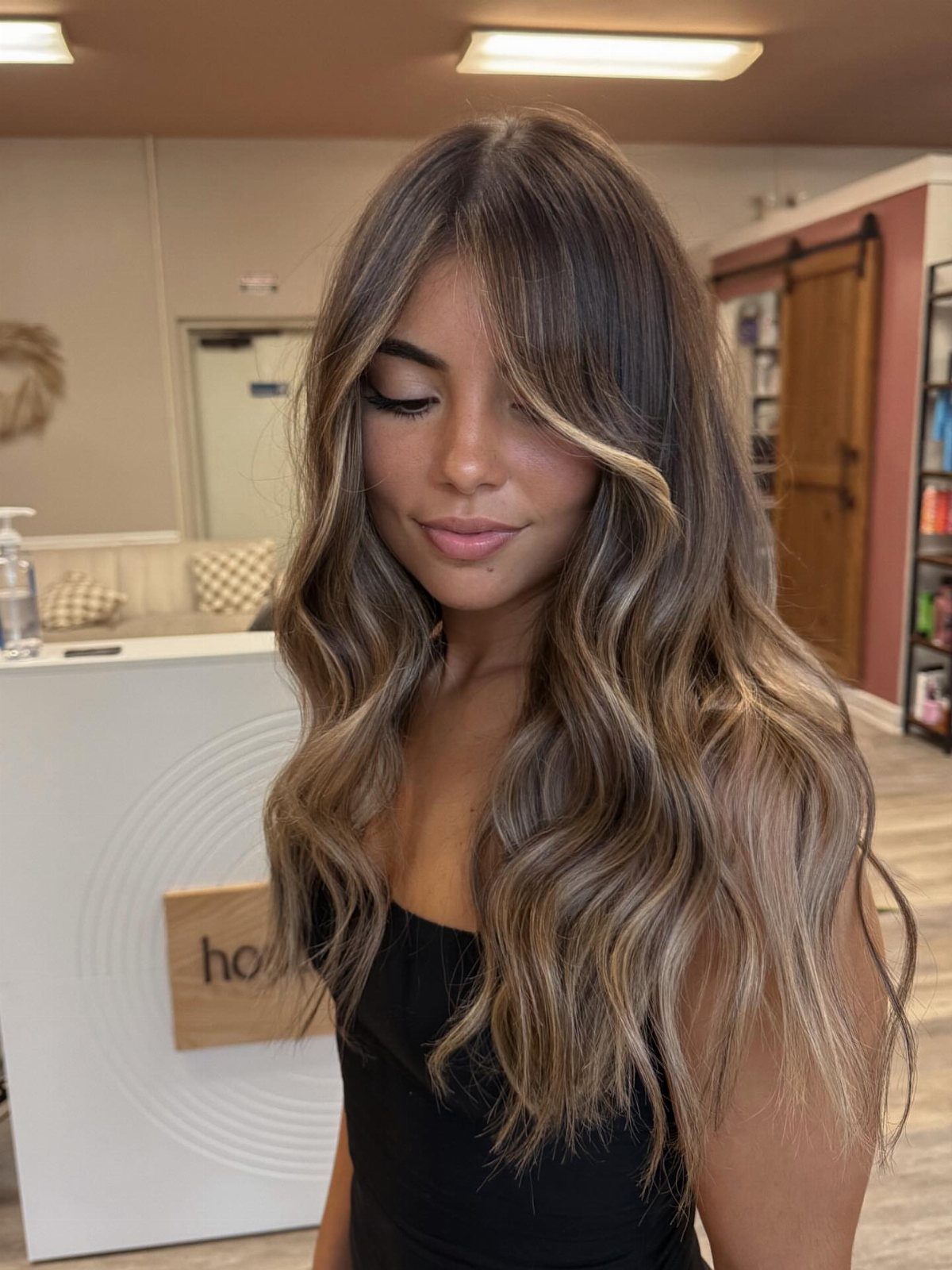
Teddy bronde is the cozy middle ground between brown and blonde: wavy brown hair with golden blonde highlights, soft enough to feel like a favorite blanket in fall.
It works for women who cannot decide between the 2 colors and do not want to.
Keep the golden pieces thin and spread through the lengths, and the brown stays the anchor. Ask your colorist for warmth rather than ash.
13. Cashmere Beige Hair Color
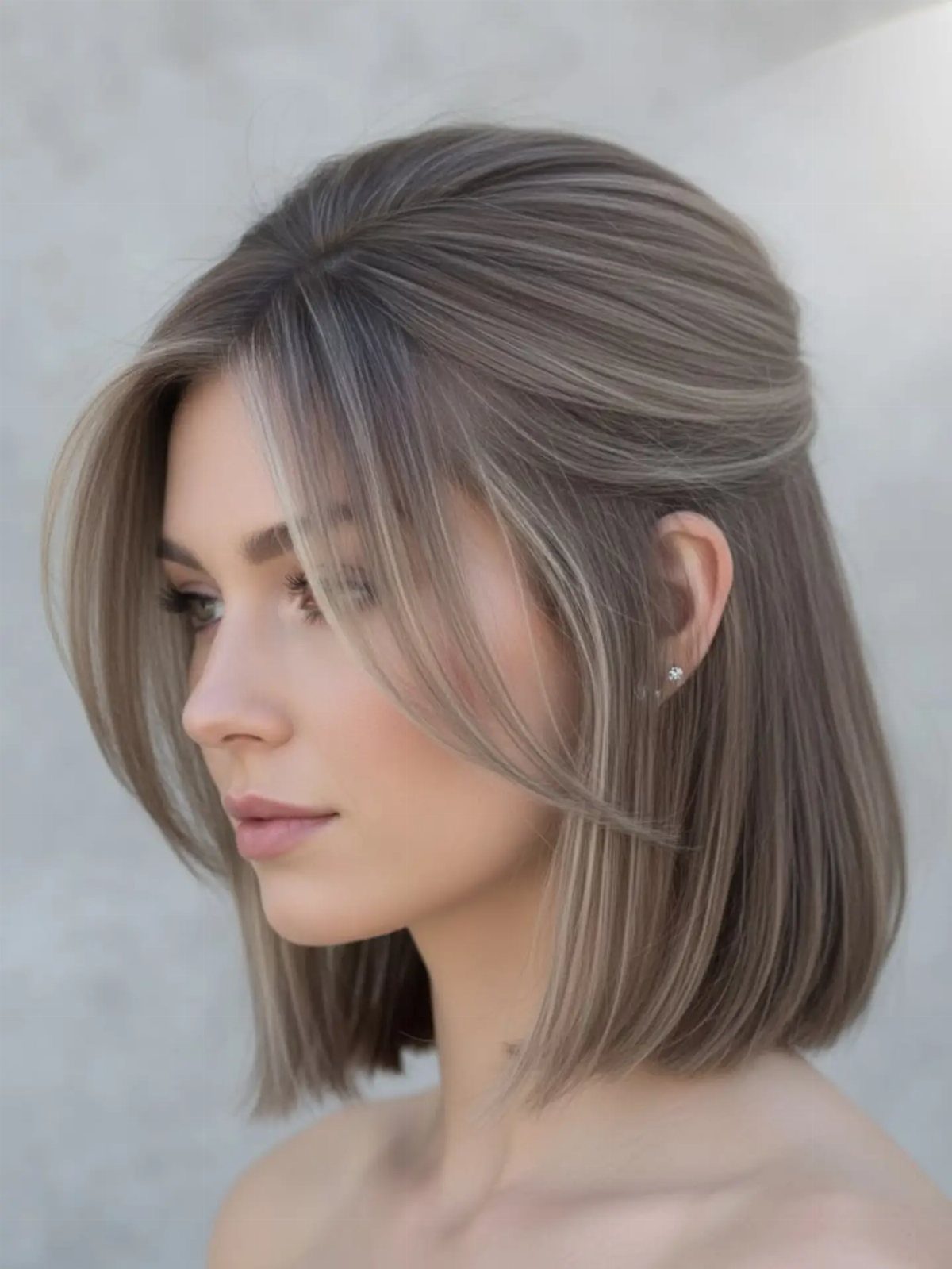
Cashmere beige is a muted, creamy neutral with no loud gold or ash, and a blunt shoulder-length bob suits it because the clean edge makes the color look intentional.
It works for anyone growing out summer blonde and ready to quit heavy bleaching for winter. Expect one more round of lightening, then a root smudge that blends the dark roots into the blonde so the grow-out line stays soft.
14. Autumn Bronde Hair Color
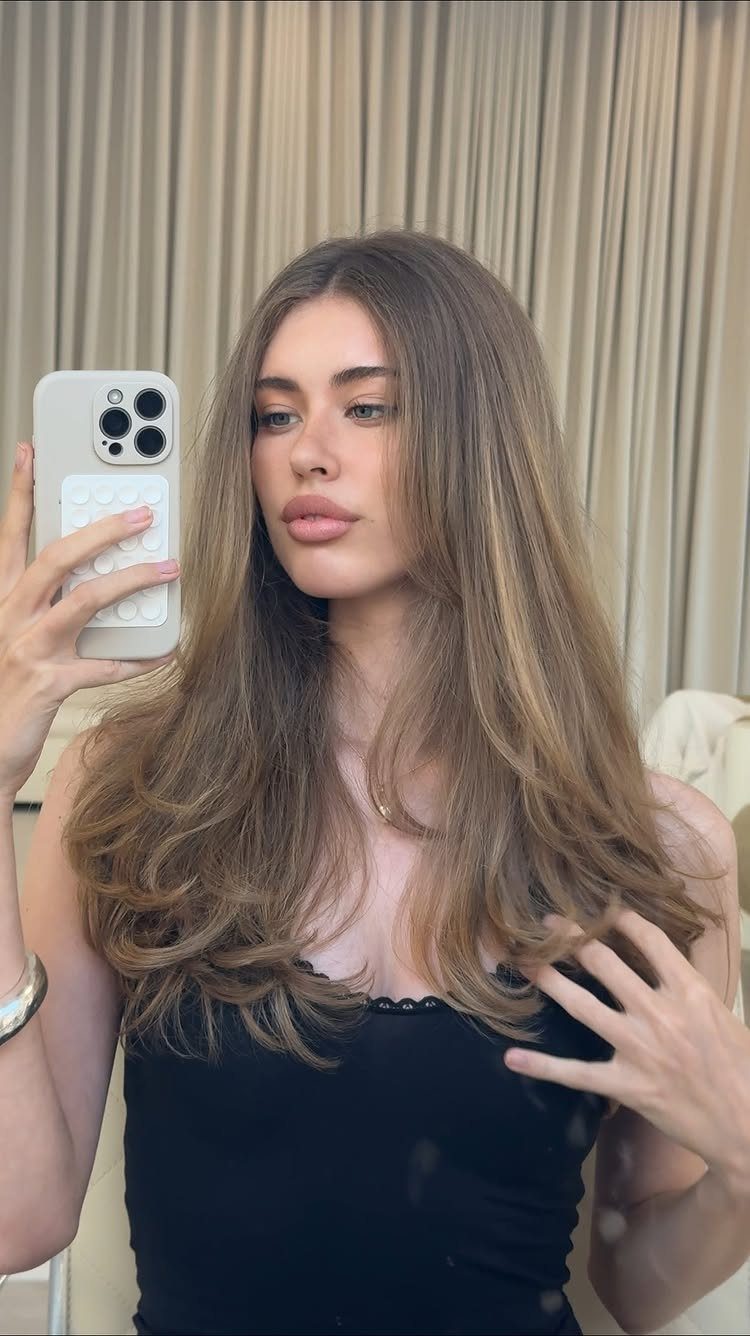
Weaving honey blonde with light brown gives a blonde real fall depth, and the brightness stays. On long waves, the 2 tones trade places as the hair moves.
Keeping some light brown near the roots makes the grow-out gentler. Wear it with a black top and the honey stands out.
15. Champagne Hair Color
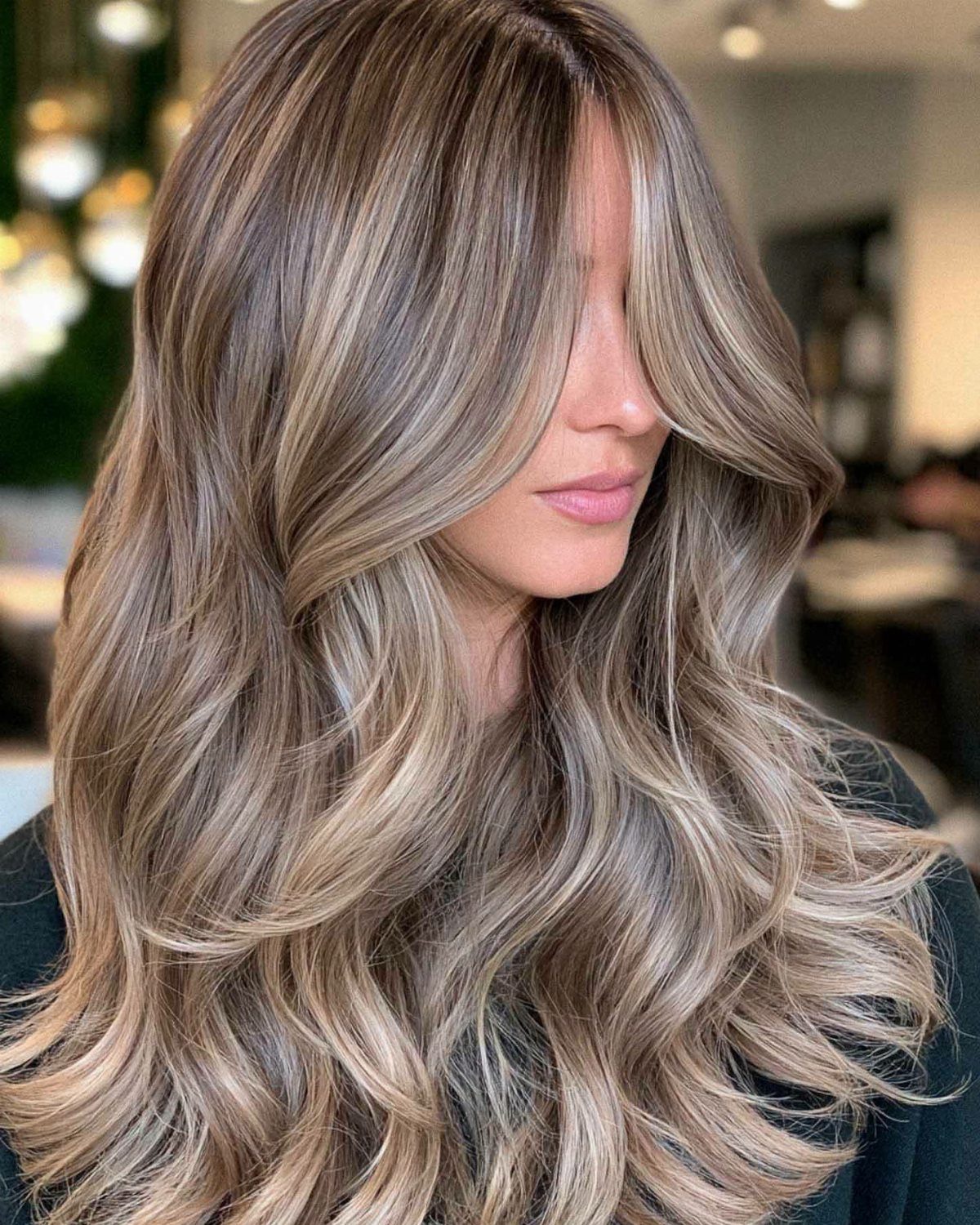
Champagne is blonde that leans soft and warm, with beige and ash highlights keeping it from turning brassy or sugary. Long waves spread those tones out so the color looks layered.
I would choose this over a stark platinum for fall, since it flatters gold jewelry and cream knits alike. Bring a photo to your colorist, because "champagne" can mean anything from golden to nearly silver.
16. Creamy Blonde
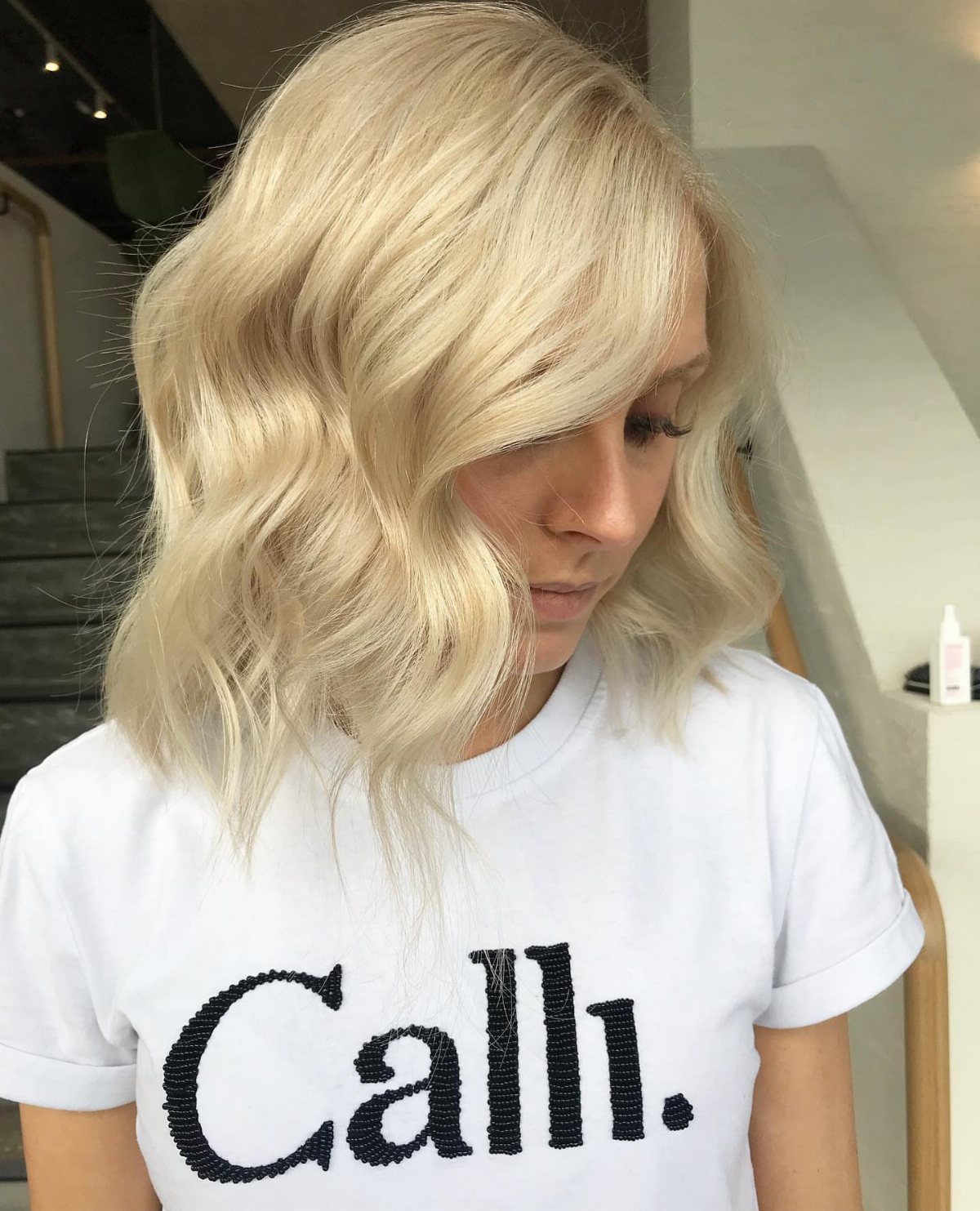
Creamy blonde is soft and slightly warm, with the smooth look of a cashmere sweater, and wavy texture keeps it from reading flat or severe.
Its finish is versatile enough to wear with a plain white tee or a dressed-up fall layer.
Because it is a light shade, expect regular visits to keep it fresh. A purple shampoo now and then helps hold the cream and keeps yellow from creeping in.
Low Maintenance Colors
Color that stops short of the roots is the easiest to live with. When the base stays your own shade, regrowth is less obvious, so you can stretch the time between salon visits.
Caramel balayage is a good example. It keeps a natural look, and it suits nearly every skin color and face shape, which lowers the risk of a color you regret.
Before you book, ask your colorist how the grow-out will look, since that tells you more about upkeep than the name of the shade does.
Full root-to-tip color asks for the most touch-ups, so a busy schedule points toward partial color.
Choosing Colors by Skin Tone
Undertone decides whether a brown looks rich or muddy on you, so check it before you pick a shade.
Chocolate brown flatters golden undertones, because both carry warmth.
If your skin is olive or cool, choose deep, velvety browns and skip any hint of red. Natural light golden or strawberry blondes should pass on chocolate shades, which can wash them out.
Very dark, almost-black brunettes have a different move: ask for a touch of gold in the tone. Watch for eggplant, which leans purple, and tell your colorist plainly not to add red.
If you can’t tell your undertone, hold a gold and a silver piece of jewelry against your bare wrist in daylight and see which looks better. Then show your colorist photos rather than shade names.
Think dark–not blue-black, but nothing sunkissed. A warmer undertone helps the look feel less like a wig and more like a new attitude, and will help avoid that awful, "Oh you dyed your hair" conversations.
— Elle
Transitioning from Summer to Fall
Summer color rarely has to be stripped out for fall. A few small adjustments get you there.
Blondes moving out of summer brightness can add warm lowlights, which darken the hair a little at a time instead of all at once.
The shift also helps as your summer tan fades, because a lighter shade can leave skin looking pale and washed out.
Have the color toned down gradually, in steps, so the shift from summer to fall never looks abrupt. A slow approach protects your hair from the damage that a big jump in one sitting can cause.
Touch-ups matter too. The drier months are harder on color, so keep up with maintenance to protect both the shade and the hair itself.
Frequently Asked Questions
What are the trendy hairstyles for autumn?
Warm, dimensional color leads the season: caramel highlights, honey and toffee balayage, chestnut brunette and copper shades.
Soft, hand-painted color that blends into brown roots looks the most natural and grows out the gentlest. A smooth blowout or loose waves show off the blending best.
What is the most fashionable hair color?
For fall, brown with soft highlights is the strongest all-around pick, from caramel and honey tones to deeper chocolate and coffee shades. Red-based colors like cinnamon copper and chocolate cherry are the other big draw.
A shade or two off your natural color is the safest bet for polish, because the regrowth line stays soft and the color still looks intentional at week 10.
What hair colors should I avoid in fall?
Skip any shade that fights your undertone. Light golden or strawberry blondes can look washed out in chocolate brown, while olive or cool undertones do better with a deep, velvety brown that has no red in it.
If your base is very dark, eggplant can pull too far toward purple, so I would tell the colorist up front to keep red out of the formula.
How do I switch from summer blonde to a fall hair color?
Go gradually. Warm lowlights darken blonde a little at a time, and toning the color down in steps keeps the change from looking abrupt.
Going gradually also spares your strands, since one big jump in a single appointment is what usually leaves hair dry and brittle.






