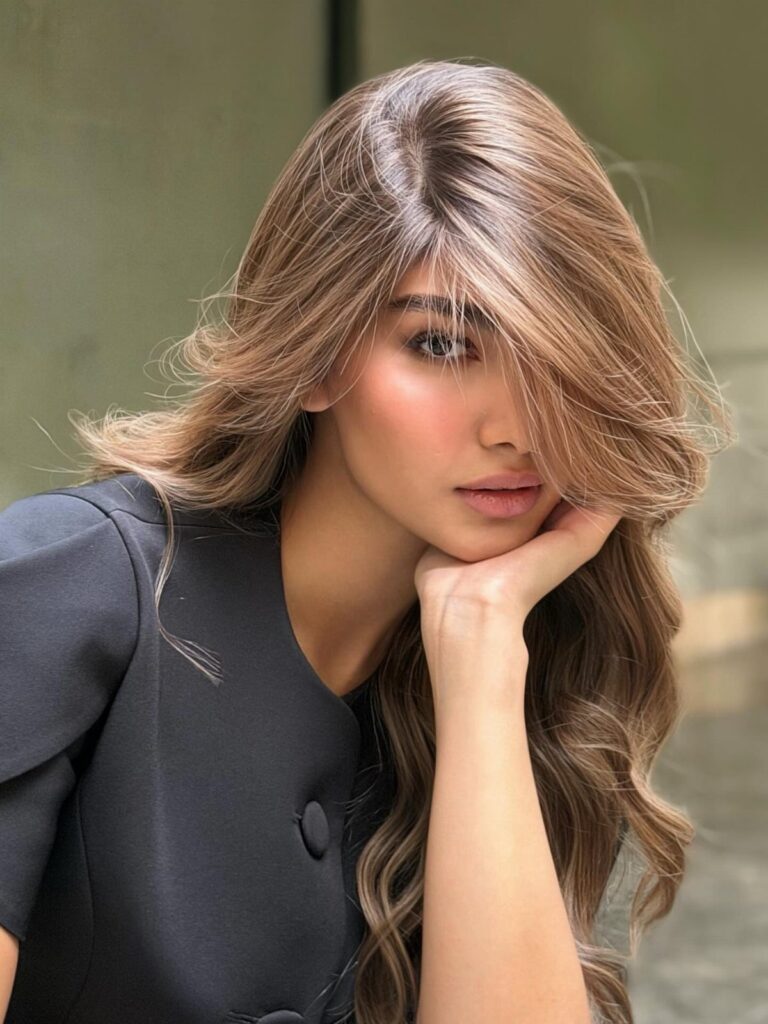
Where your hair starts decides which of these colors is realistic: brunettes can stay close to their base with Mocha Mousse or Ash Brown, while anyone aiming for Butter Blonde or Red Hair Color should plan for lightener or a stylist who mixes red often.
The list runs from soft, low-contrast blends like Blended Brown Hair and Lived-In Blonde to a Pastel Ombre that needs a bleaching step first, and the effort and upkeep climb with every shade you move away from your natural one.
1. Honey Bronde
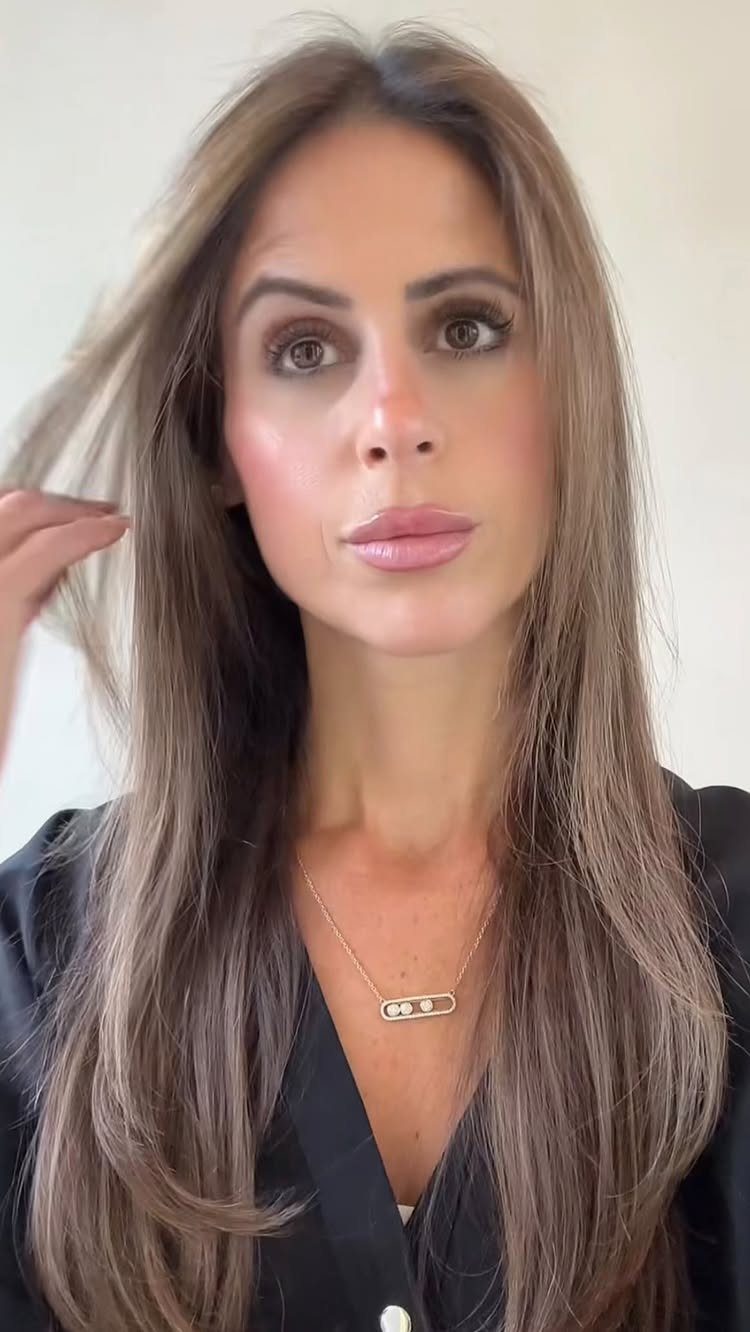
Blonde and brunette share the same head here, and that mix is what makes honey bronde easy to live with. Dark and light tones sit close enough that no single line shows where one stops.
I like it best on someone who can’t decide between going lighter and staying put. Ask a colorist for warm, golden-leaning light pieces rather than pale ones, so the blonde reads as honey and not as a stripe.
2. Cinnamon Copper
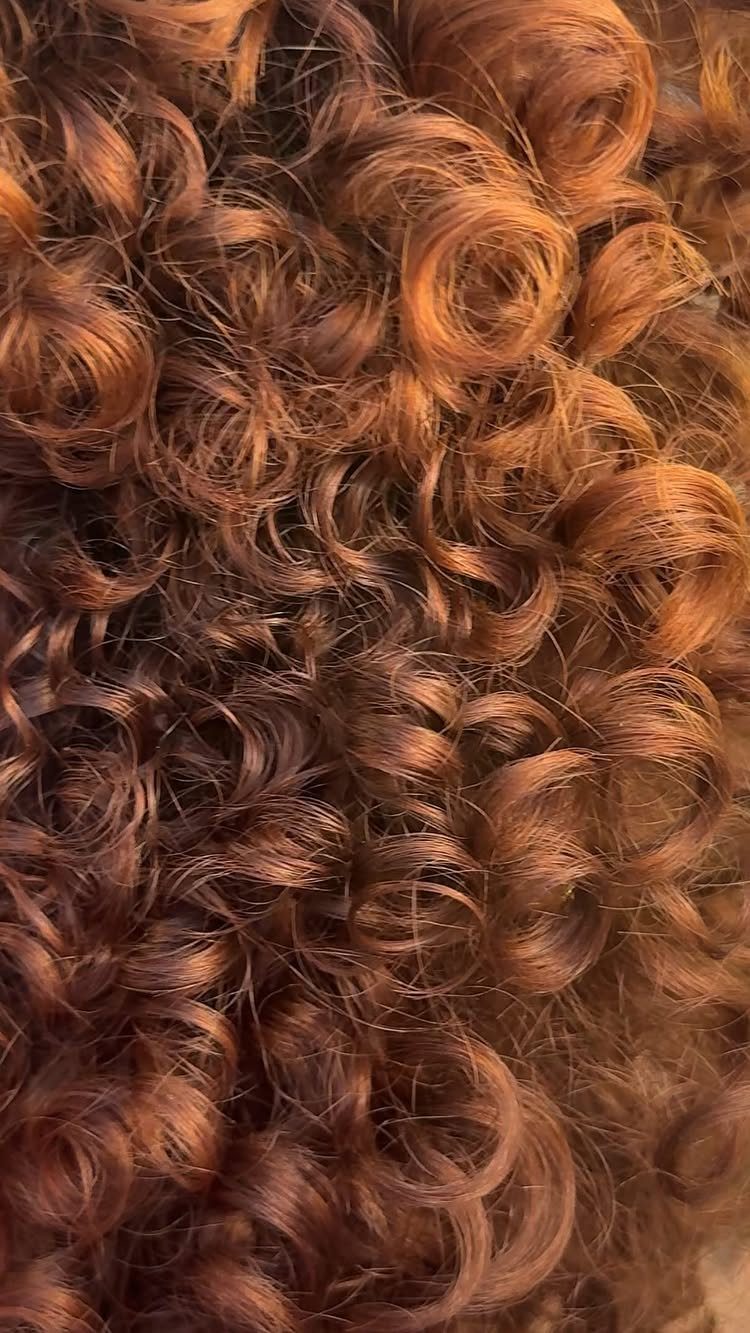
Curls hold red better than most textures, because every bend catches the light and the shade shifts from deep copper to bright orange-brown. Cinnamon copper is warm and bold, and it rewards a close look.
Ask for a spice-toned copper, not a true fire-engine red.
It reads richer and more wearable day to day. Red is the shade people tend to fall for hardest, so book a stylist who works with it often.
3. Expensive Brunette
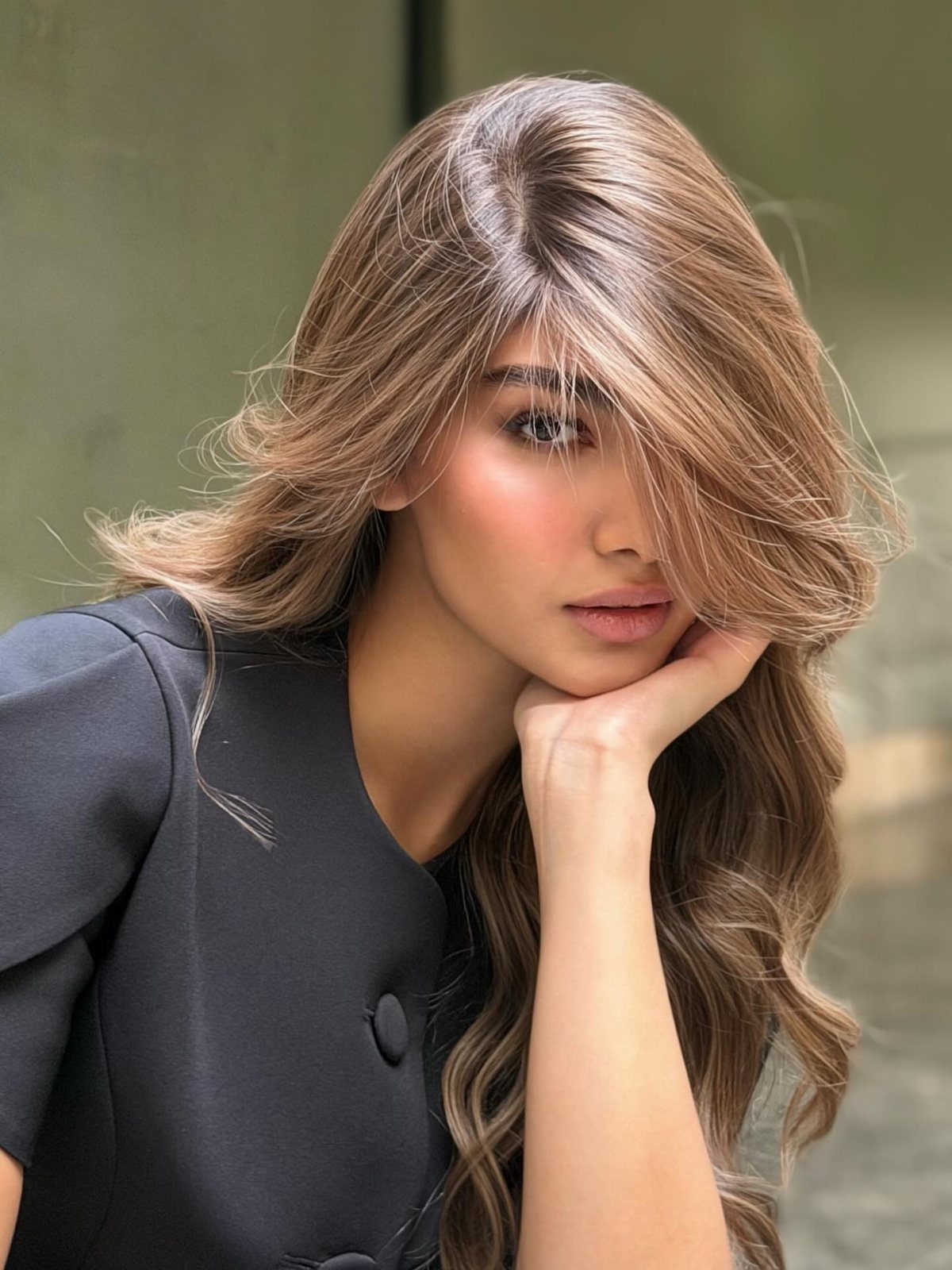
Golden tones are what make a brunette look expensive: the brown stays deep, and a few warm highlights add shine without turning the hair blonde.
For a quality-over-quantity shopper, this is a smart color to choose.
Bring a photo to your colorist and ask for soft golden-brown with fine, scattered highlights. Long, loose waves show off the dimension best, and a glossy finish matters more than any extra brightness.
4. Balayage Highlights
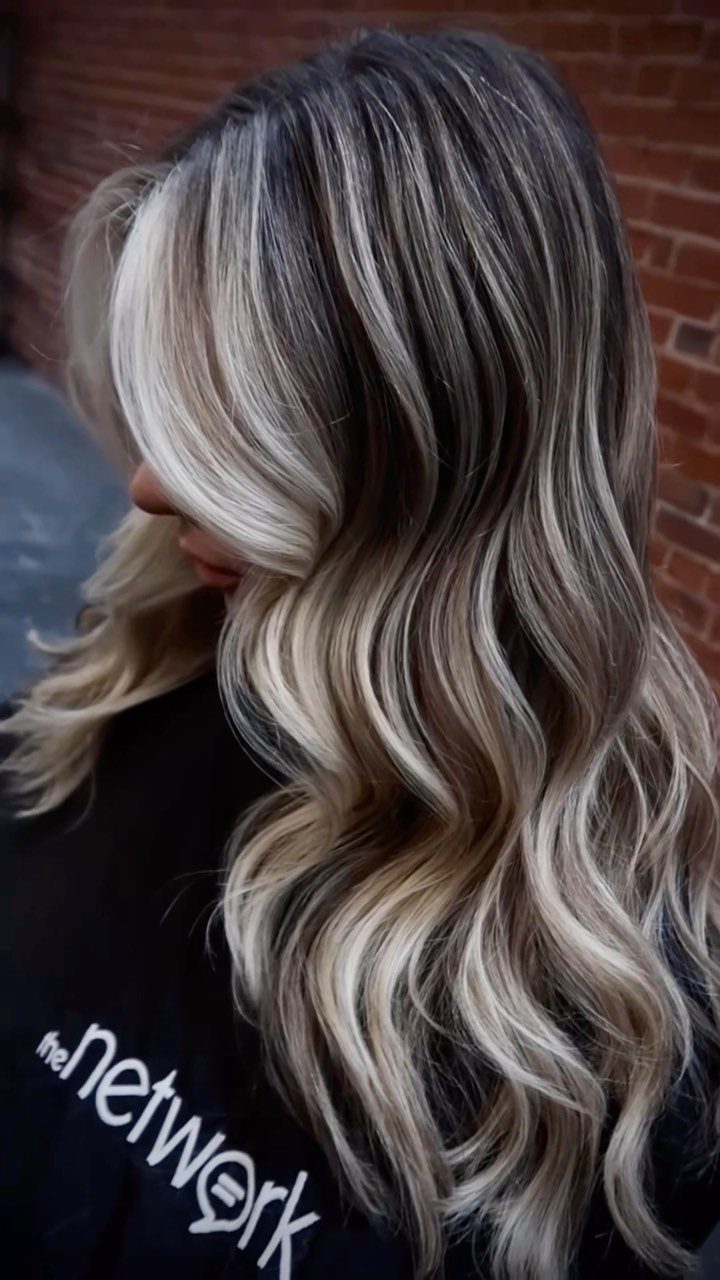
Dark roots are the reason balayage looks natural. The color is painted on by hand and blends upward softly, so there’s no harsh regrowth line to worry about later.
Choose it if you want blonde without a commitment to constant touch-ups.
Ask your stylist to keep the roots close to your own shade and brighten mostly through the mid-lengths and ends. Wavy styling shows the blend off best.
5. Ash Brown
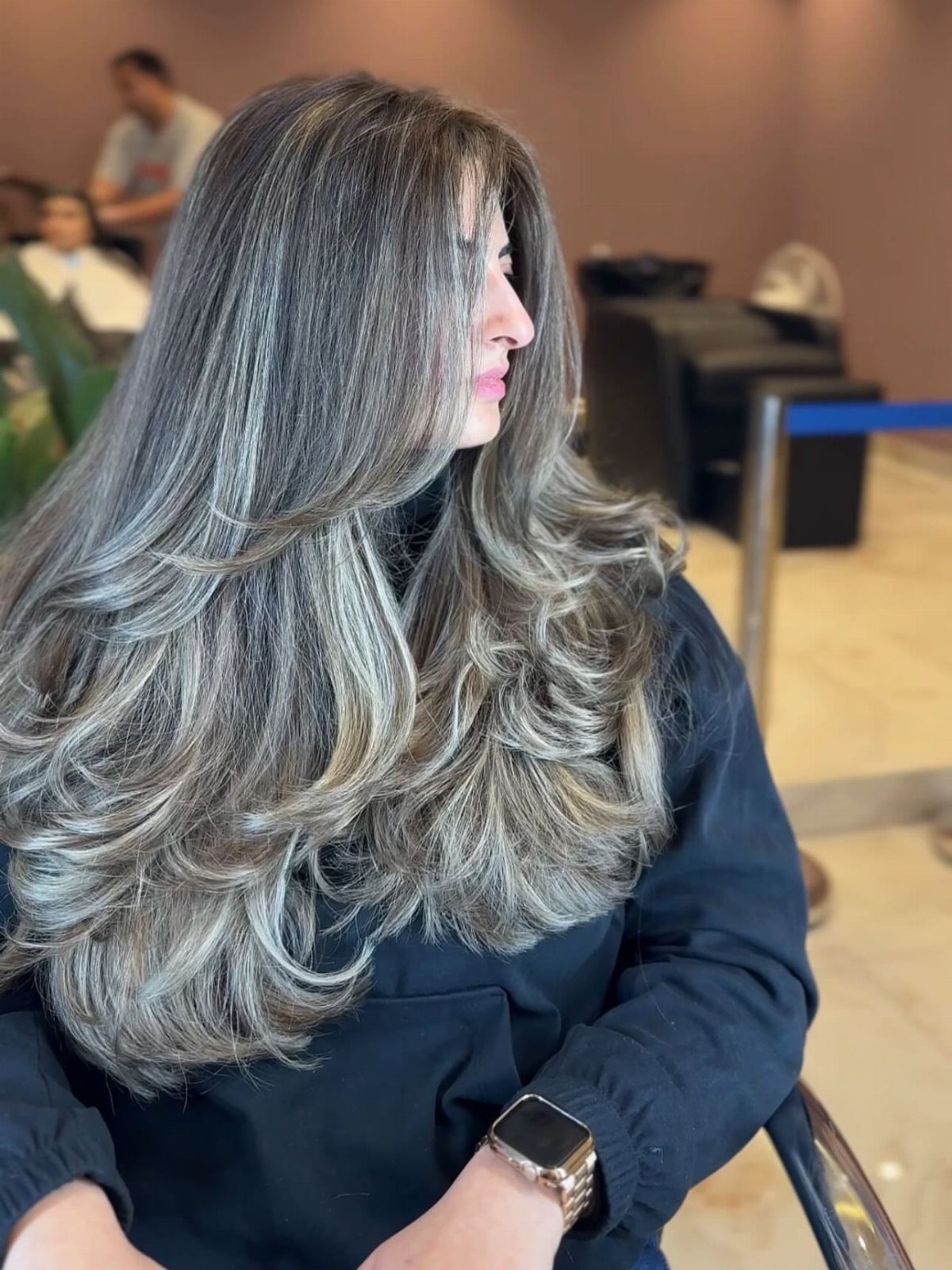
Warmth is what most brown shades have too much of, and ash brown is the answer: a creamy, cool-leaning brown that looks calm and polished instead of reddish.
Cool blonde highlights woven through layers add a little light without breaking the tone.
Ash brown suits brunettes after a softer, cooler shade with less of that golden, brassy warmth. Tell your colorist you want cool and creamy, not gray, so the result stays rich.
6. Pastel Ombre
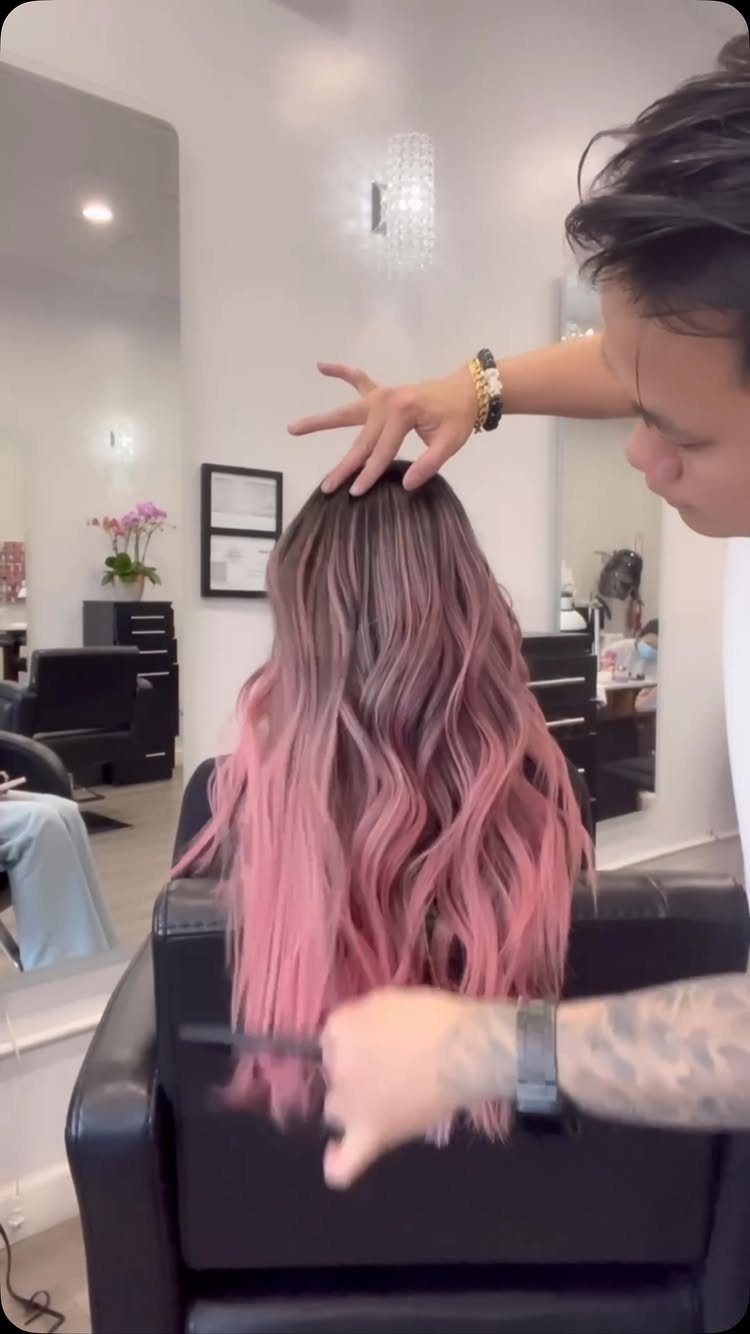
Dark roots melting into pastel pink ends make this ombre a playful choice, and they keep the look grounded, since the brightest color sits far from your face.
Pastels need lightened hair to show up, so expect a bleaching step before the pink goes on. I’d pick this for a low-stakes way to try color: the ends can be trimmed off if you tire of it.
7. Red Hair Color
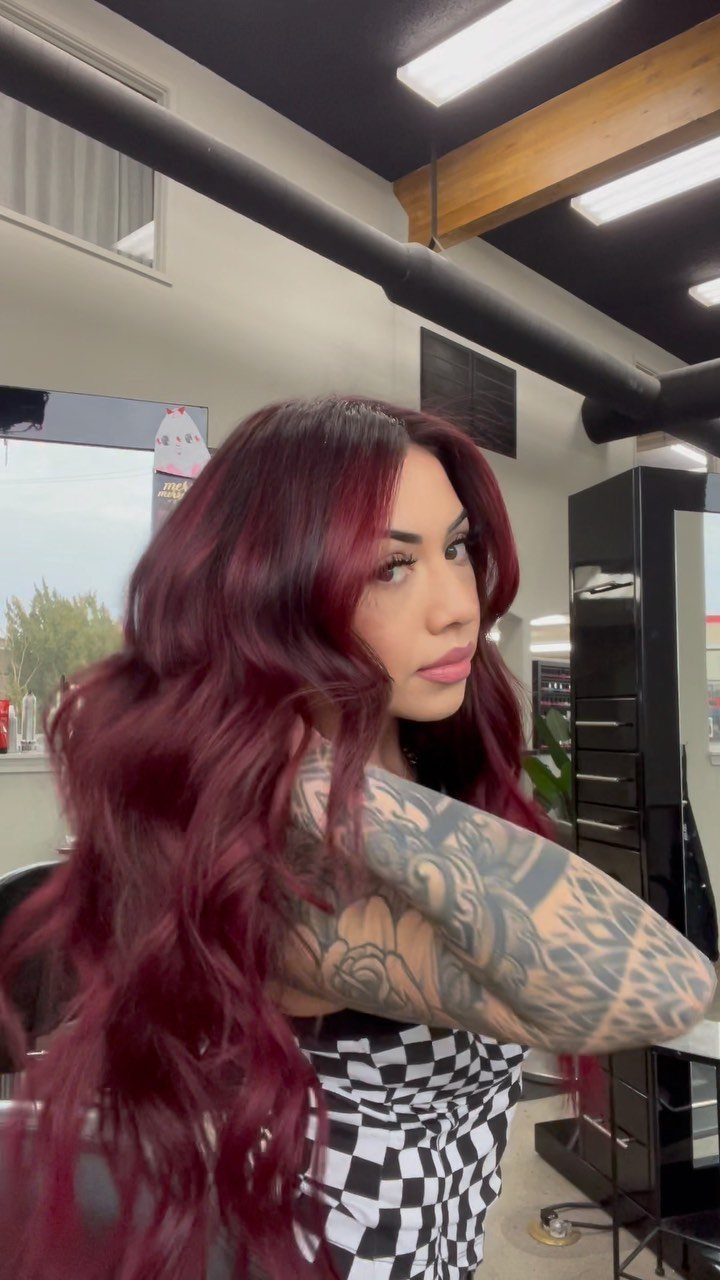
Deep red on long waves reads rich rather than loud, and that is the version I’d choose. The shade leans toward burgundy-brown instead of bright orange, so it holds up in a salon chair and in daylight alike.
A saved photo helps, but the depth number matters more, so ask for something like a level 5 or 6 and let your colorist adjust from there. Red is a color people feel strongly about, so book someone who mixes it often.
8. Blended Brown Hair
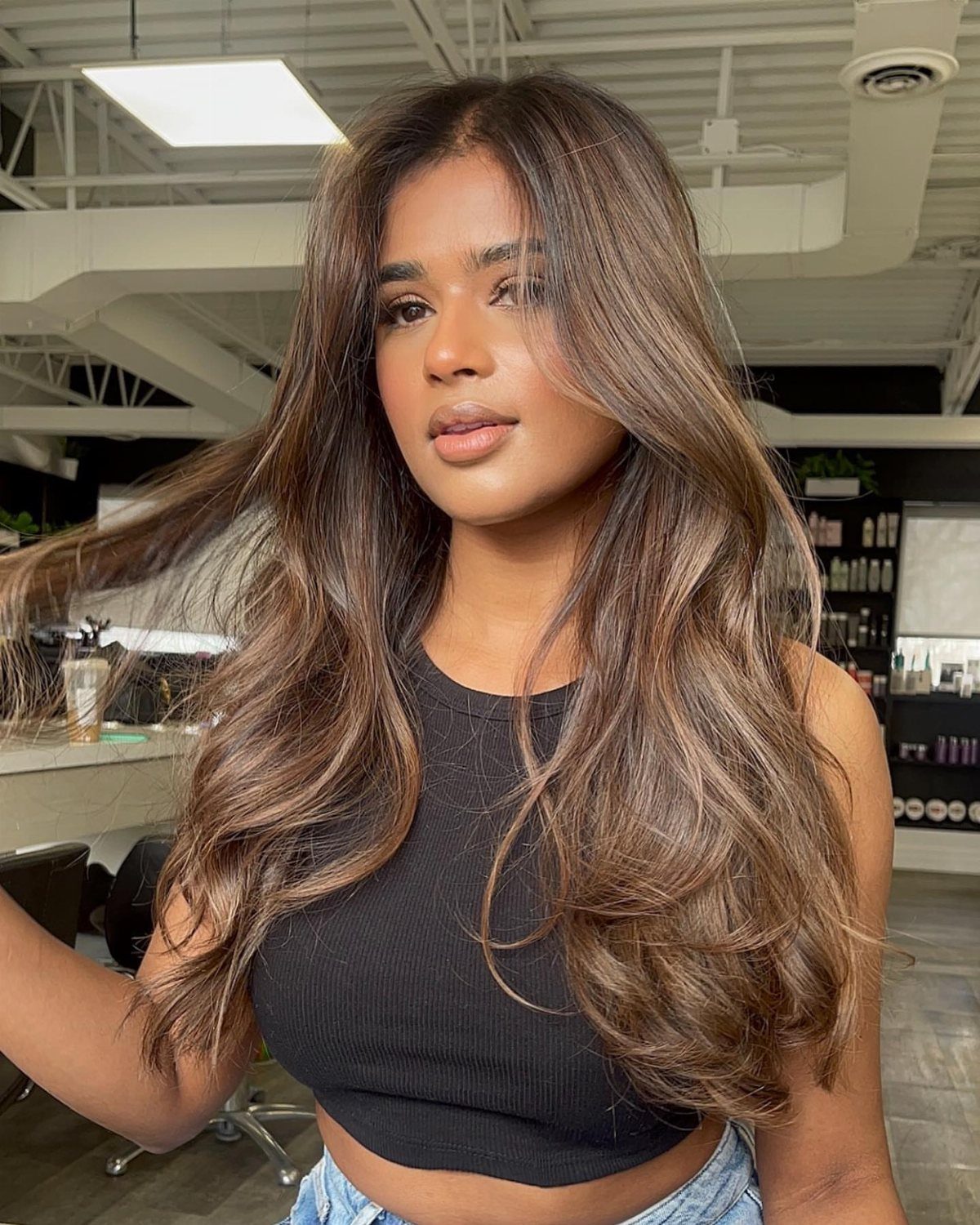
Several brown tones sit side by side here, with highlights folded in so softly that no single streak stands out. Long waves give the blend room to show.
Ask your colorist for blended brown with fine highlights close to your base shade, not high-contrast ribbons.
It suits a woman who wants her hair to look richer without changing its basic color. I’d keep the finish glossy, since shine does most of the work.
9. Mocha Mousse
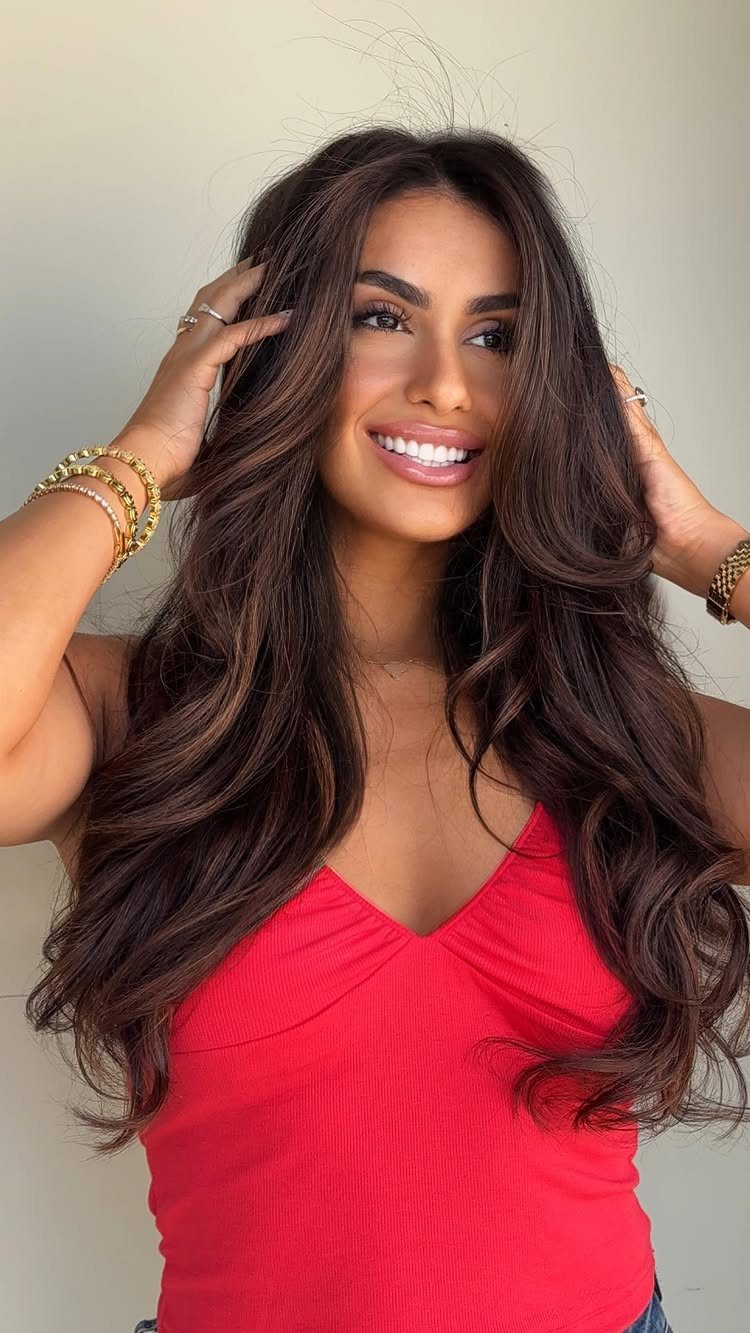
Sun-kissed is the right description for mocha mousse: a soft, warm brunette that looks like it picked up a little light over a long summer.
Tell your colorist you want a milk-chocolate brown with a gentle glow, not a flat dark shade.
Loose waves keep it relaxed. It’s a sensible pick for a brunette who wants warmth without committing to blonde.
Though trying a new shade like red or a bright blonde may sound like fun, the hair color trends lately have been skewing toward more low-maintenance colors like light bronde and mocha mousse.
— Glamour
10. Butter Blonde
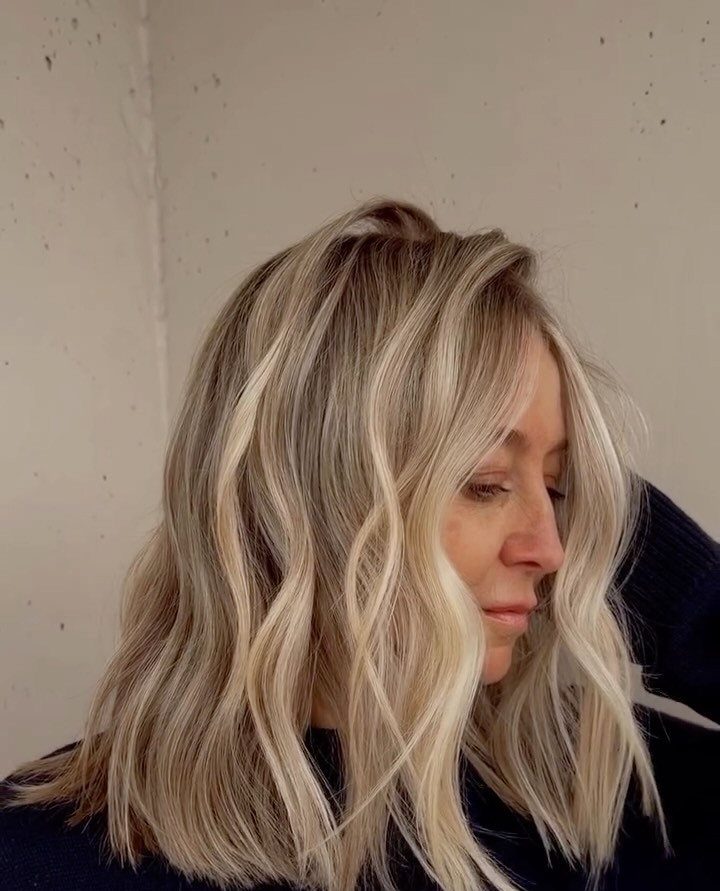
Light brown lowlights under butter blonde give the color depth, and I like that more than an all-over pale shade. The blonde stays soft and creamy, with shadow underneath so it never looks flat.
Ask for a warm, buttery blonde and mention lowlights by name. Butter blonde takes 2 steps: lightener lifts the base, then a separate toner sets the creamy yellow hue, so plan for both in the chair and on the bill.
11. Golden Blonde
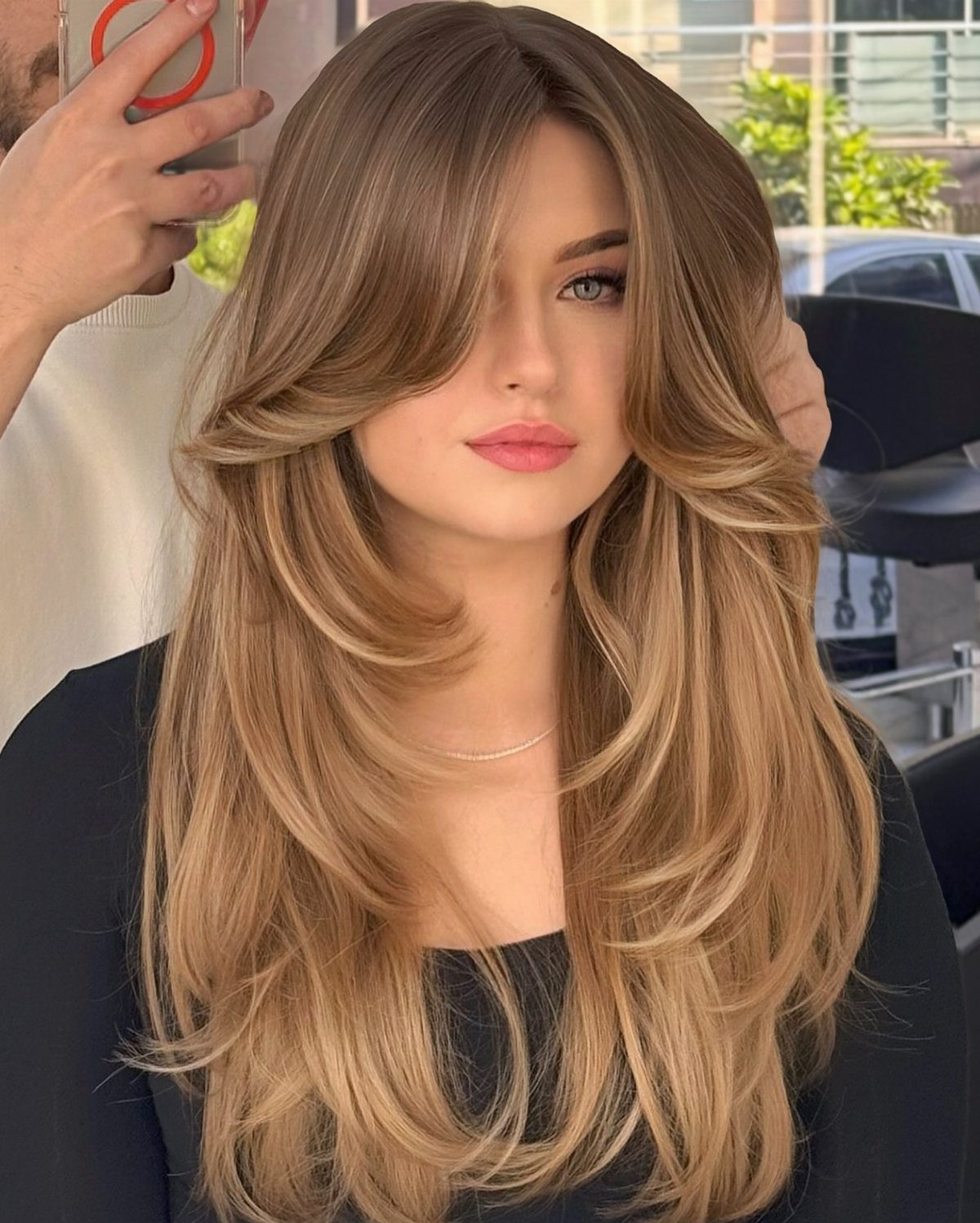
Honey highlights run through layered golden blonde, and the layers are what catch the light. Cut and color work together here, so ask for both in one appointment.
Gold is a forgiving shade because it sits warm instead of stark.
Show your colorist a photo and ask for honey pieces that stay in the same family as the base. Long hair lets the dimension show.
12. Strawberry Blonde
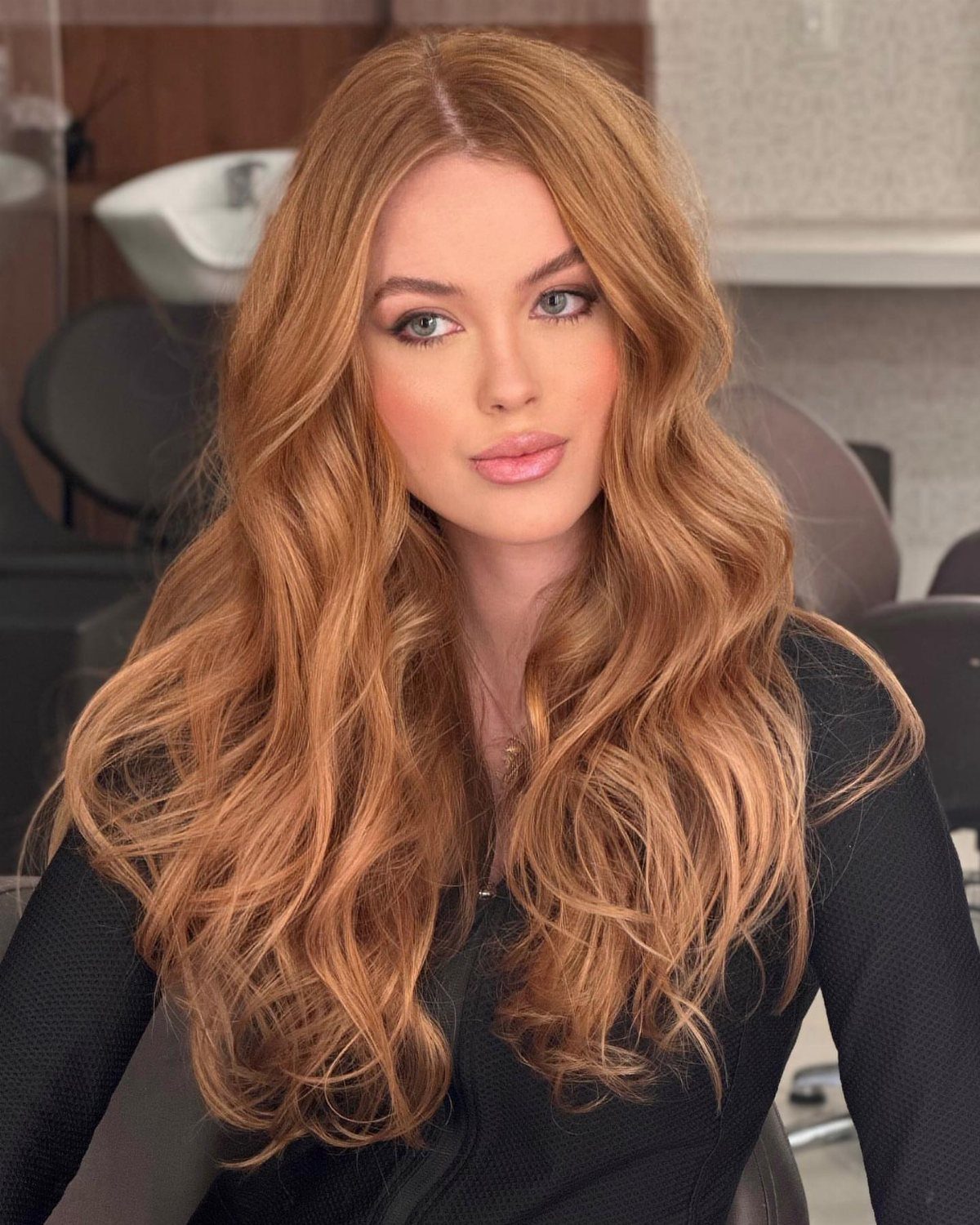
Pink-leaning warmth is what separates strawberry blonde from every other light shade: it’s blonde with a rosy, coppery blush through it. Long waves let the tone shift softly as the hair moves.
Ask your colorist for a light, peachy strawberry, and have a photo ready, because the line between this and copper is thin. It’s a gentler way into red for anyone who finds true red too bold.
13. Lived-In Blonde
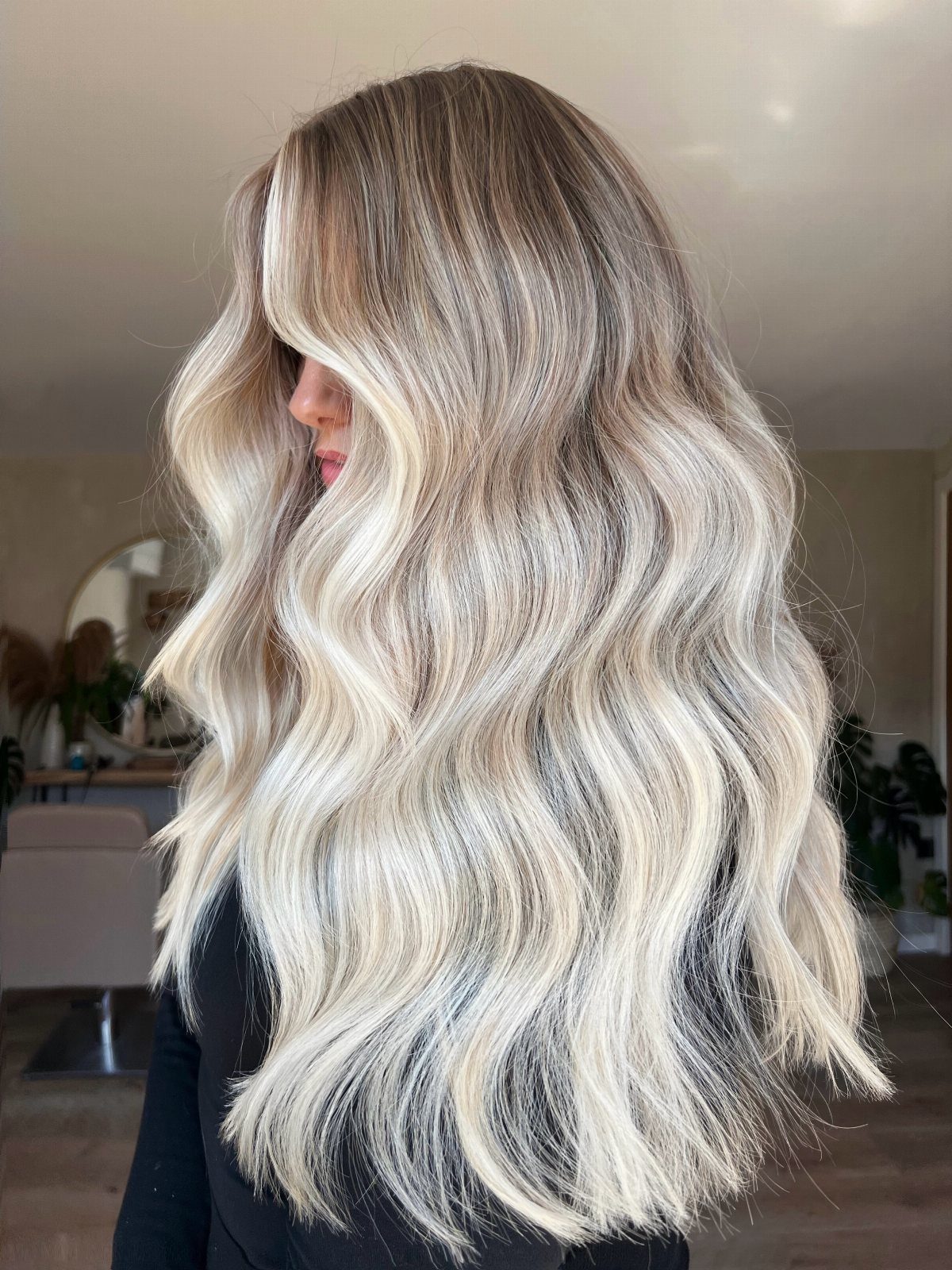
Ash tones and bright highlights share the same long waves, and that mix of cool and warm is what keeps lived-in blonde from looking flat or too planned.
Ask your colorist for both warm and cool blonde pieces blended through the length, with nothing stark near the roots.
Loose waves bend the light across the root and the ends, so the blend of tones reads best there. I’d choose this over an all-over pale shade, since the mixed tones read natural as the hair moves.
14. Chocolate Cherry
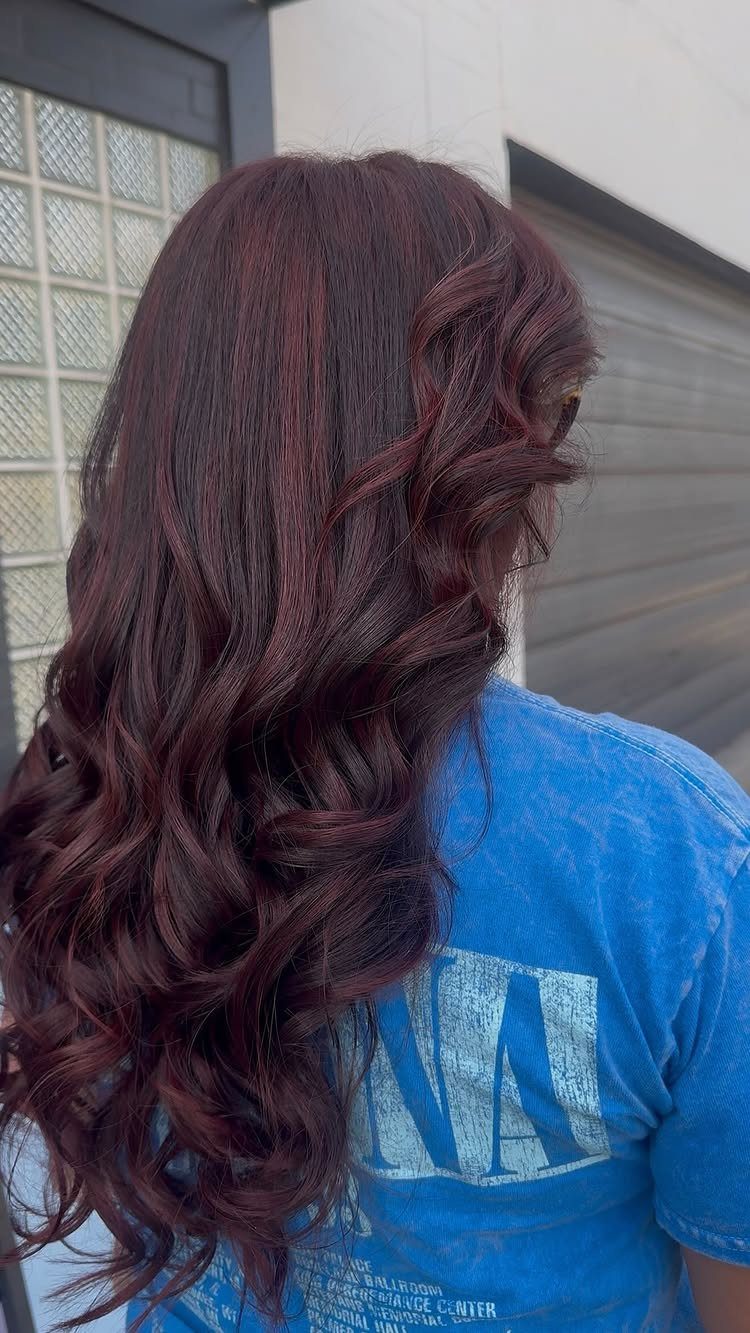
Deep red running through chocolate brown gives chocolate cherry its richness: the brown keeps it grounded, and the red shows up as the hair catches light.
Ask for a dark, reddish-brown rather than a bright cherry, so the color stays wearable.
On long hair, each wave catches light differently, so the cherry deepens and brightens as you walk. Bring a photo to your colorist, since the line between cherry and plain brown is easy to miss in words alone.
Choosing the Right Shade
Start with direction: lighter, darker, or about where you are now. That one decision narrows the field faster than any photo board.
Next, think about colors you already wear and love. If a favorite sweater or pair of jeans always draws compliments near your face, that shade family is a good clue for your hair.
Then check undertone.
Warm hair colors tend to flatter warm skin, and cool shades tend to flatter cooler skin. If you can’t tell which you are, hold gold and silver jewelry up to your face in daylight and see which one looks better.
Personal style counts too. A shade that looks great on you but clashes with how you dress will feel off, so pick something that fits the clothes you actually wear.
Maintaining Hair Color
Shampoo is the first place color fades, so switch to a sulfate-free formula made for color-treated hair. Garnier’s Fructis Color Shield is one example.
Moisture helps color last. Condition every time you shampoo, and if frizz creeps in, a leave-in smoother over damp hair helps hold things down.
Heat is the other culprit. Warm water is gentler on color than hot, so turn the dial down, and let your hair dry on its own whenever the morning allows.
Sun fades color too, which is why a wide-brim hat on a bright afternoon earns its spot in your routine.
Touch-ups depend on the color and technique.
Hair with a visible root contrast needs them sooner, while softer blends can wait longer. Before you book, a quick chat with your colorist about how often you’ll realistically need touch-ups will save you money and frustration.
Virtual Try-On Tools
A virtual try-on is a cheap way to test a shade before any dye touches your hair. Many brands offer one: you upload a selfie or turn on your camera, then browse colors and see them on your own face.
Use it for the shades you doubt most. Pink, purple or blue can be hard to picture, and you may like them more than you expected.
Treat the result as a rough preview, not a promise.
Screen lighting and your starting color change how a shade really turns out, so take your favorite try-on screenshot to your colorist and ask what it would take to get there.
Frequently Asked Questions
What are the different types of hair coloring called?
Common techniques include balayage, ombre, highlights, lowlights and all-over color. With balayage, a colorist sweeps lightener across the hair freehand and keeps the root close to your natural shade, so growth never shows as a hard line.
Ombre moves from dark roots to lighter or pastel ends, and lowlights add deeper tones under a light color for depth.
What are some creative hair color ideas I can try at home?
Pastel ombre and balayage are the two I’d point to, since both keep dark roots and put the color mostly in the mid-lengths and ends.
Pastel pink ends need pre-lightened hair to show up, so if your hair is already bleached or naturally light blonde, a semi-permanent pastel dye is a fair home project.
Caramel balayage is another soft option for brunettes who want light without going too blonde.
Which hair color is best without side effects?
A shade close to your natural color is the gentlest choice, such as blended brown with fine highlights near your base tone or balayage with roots left alone.
These need little or no lightening and grow out without a harsh line. Colors that require bleaching first, like pastel pink or butter blonde, ask more of your hair and need more upkeep.
How do I keep my hair color from fading?
A sulfate-free shampoo formulated for color-treated hair is the first swap to make, because washing strips color faster than anything else.
Condition every time you wash, rinse with warm water instead of hot, and air-dry when you can. UV rays lighten dye as well, and a wide-brim hat takes care of that on sunny days.
How do I choose a hair color that suits me?
Before anything else, settle on a direction: lighter, darker, or close to what you have now.
Not sure which you are? Hold a gold piece and a silver piece near your face in natural daylight; whichever metal makes your skin look better points to your undertone.
Can I try a hair color before dyeing?
Yes: a virtual try-on app lets you upload a selfie or use your camera, so you can see shades on your own face before any dye goes on.
It’s most useful for colors that are hard to picture, like pink, purple or blue. Still, I’d read it as a loose preview only; screen lighting and the color you start with will both shift what you end up with.






