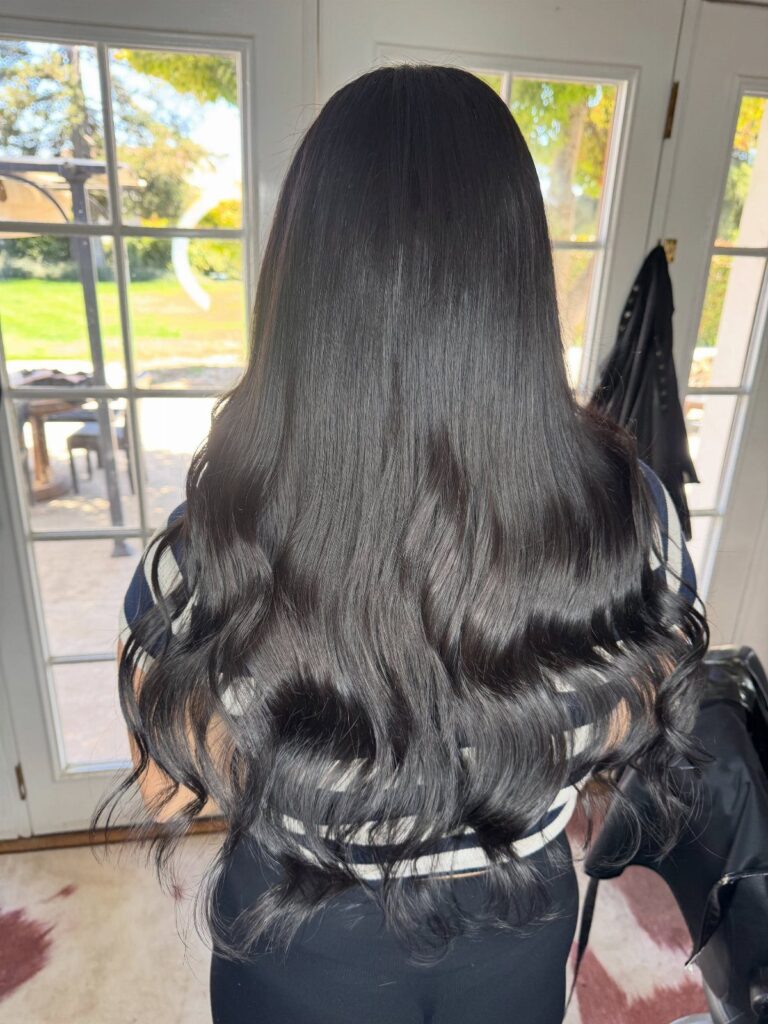
Hair color and texture decide how a gloss looks, and the list runs from straight black lengths, which give the strongest mirror effect, to pastel pink and contrast streaks, where gloss keeps pale or high-contrast color from going chalky or clashing.
Shade changes how fast a gloss fades: the burgundy, reddish-brown and pastel pink looks in this list will need touch-ups soonest, while black hair shows dullness first.
1. Reflective Glossy Finish to Hair
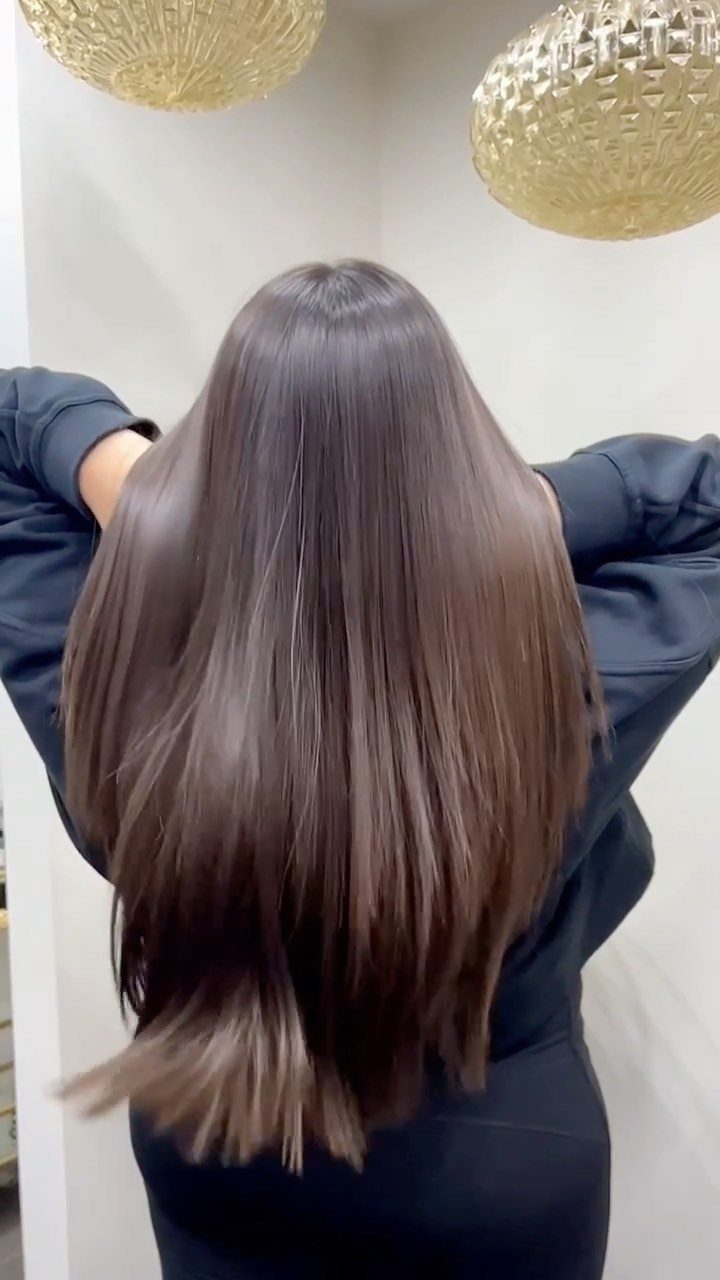
Long, straight brown hair shows gloss at its best, because a smooth surface bounces light back in one clean band down the back. Nothing about the cut needs to be fancy.
Gloss is the right call if shine is all you’re after and you want your color and length left exactly as they are.
Ask for a shade close to your natural brown, and keep the ends trimmed, since split ends break up that reflection first.
I would choose this over a heavy smoothing treatment if your hair already behaves.
A hair gloss offers the ultimate low-stakes glow-up—major shine, subtle color, and healthier-looking hair without the long-term risks of traditional dye jobs.
2. Gloss Treatment on Vibrant Purple Hair
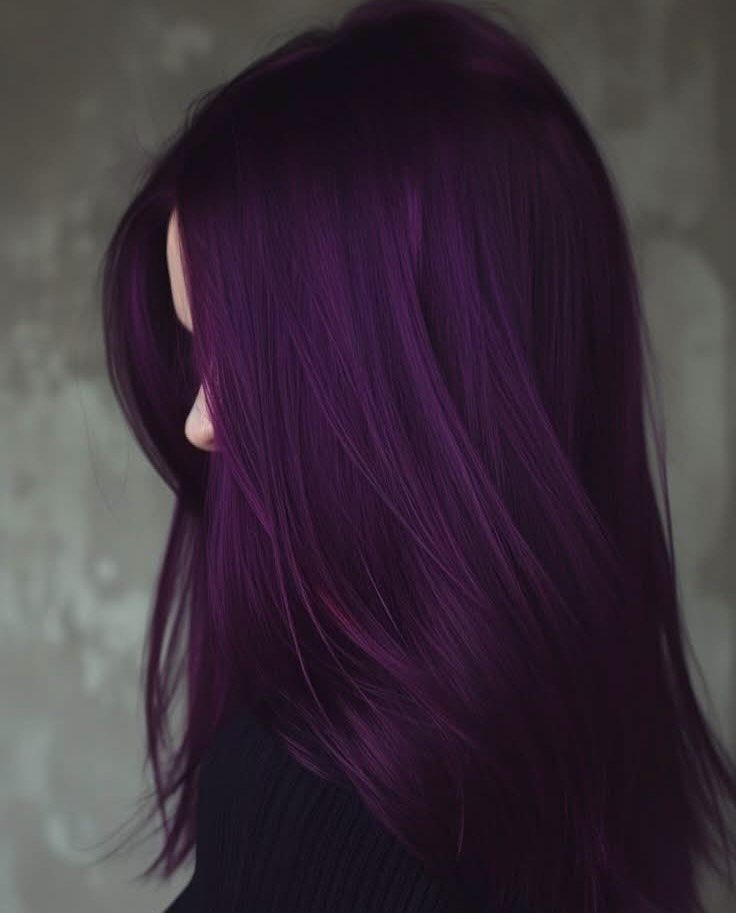
Purple is one of the shades where a glass-like shine matters most, since a bright color on dry, rough hair looks flat and tired. Gloss gives the surface back its polish.
For a reader who likes bold color but wants it to look expensive, this is the finish to ask for. Straight styling shows the effect best, so keep a flat iron or smoothing brush in the routine.
Upkeep is the cost: vivid purple and a glossy finish both fade faster with hot water and harsh shampoo, so plan on gentler care.
3. Pastel Pink Hair Gloss
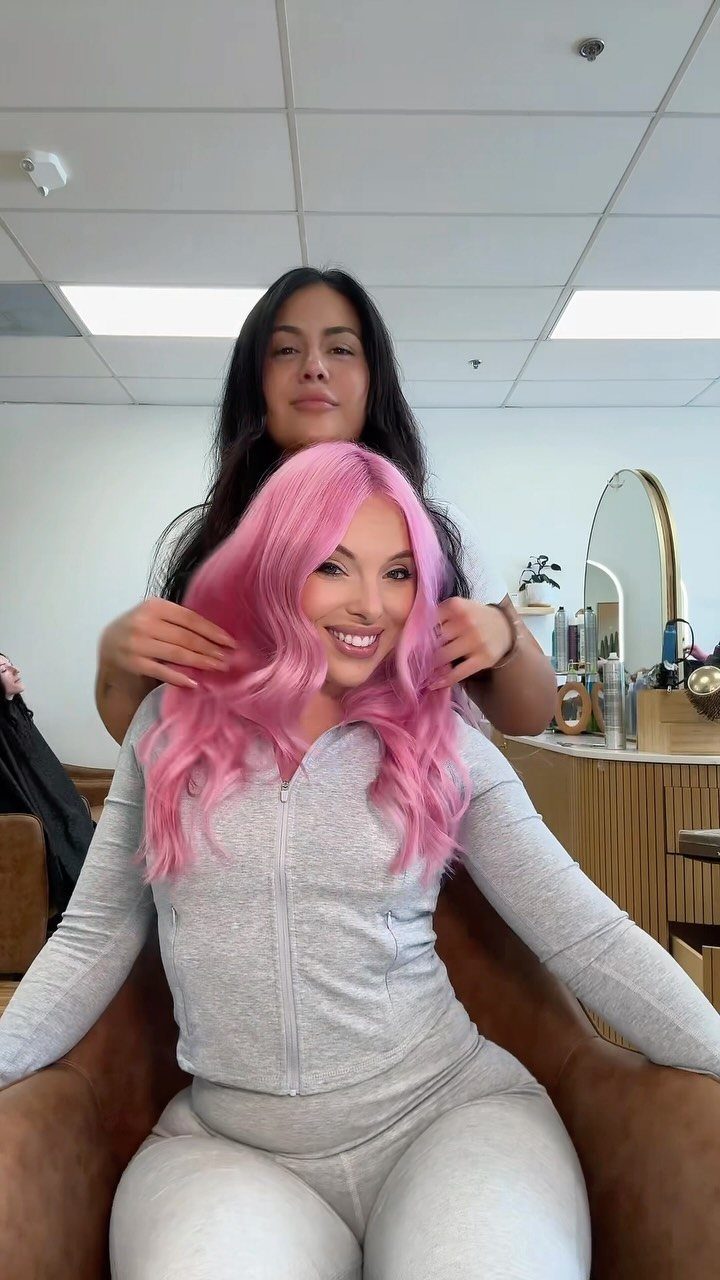
Soft pastel pink looks best when the hair has a smooth, polished surface, and that is what a salon gloss delivers on long waves. Without it, pale color can read chalky.
Book the gloss as a finishing step with your stylist rather than doing it at home, since light shades show every uneven patch. Wavy hair also gains from it, because the curl pattern stays defined while the frizz settles.
Pastels fade quickly, so plan on touch-ups.
4. Before and After Texture Comparison
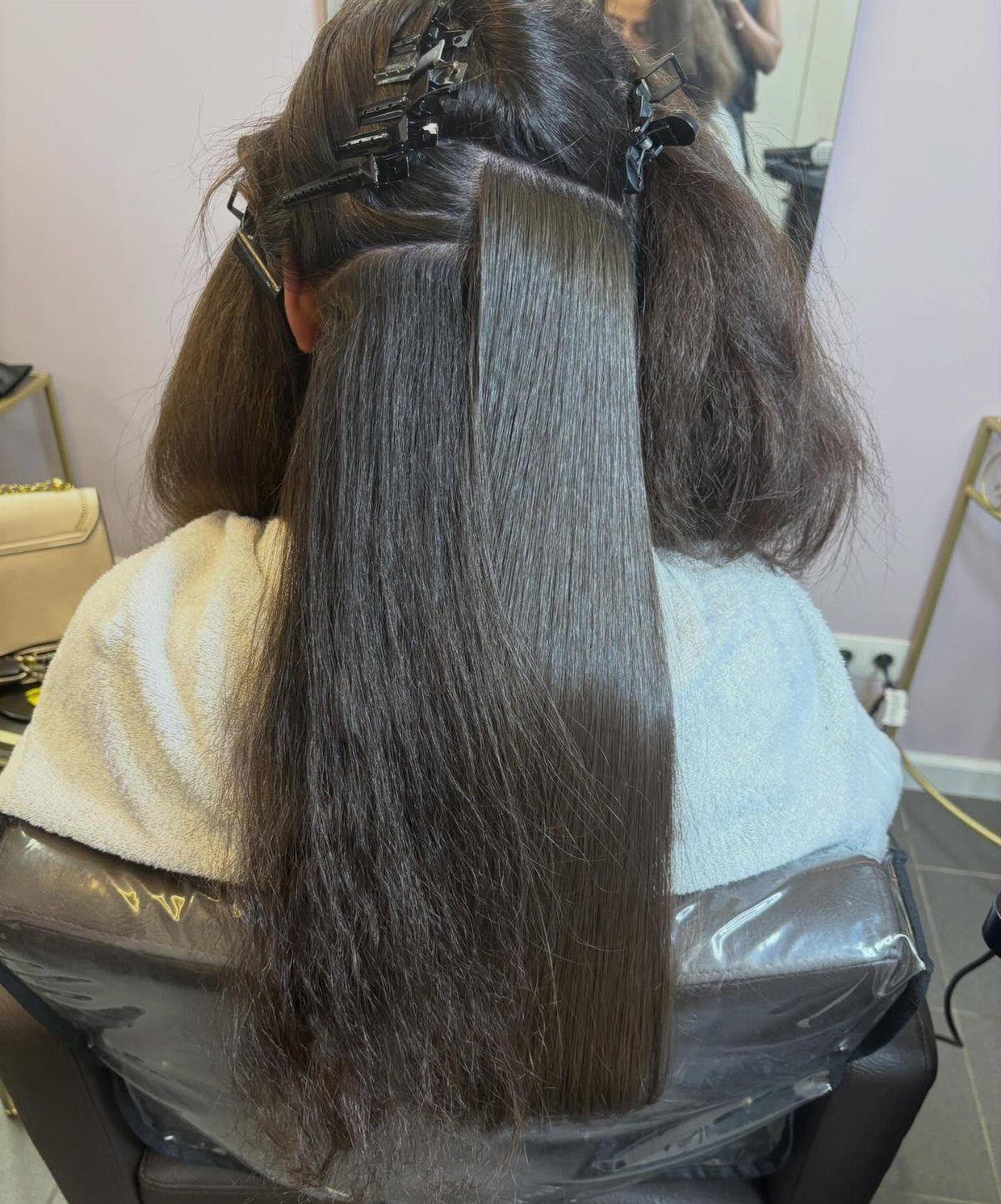
Splitting the hair down the middle is the fairest way to judge gloss: one side frizzy, the other smooth, same hair, same light. On dark brown, the difference is hard to argue with.
If you are deciding whether a gloss is worth the appointment, this is the comparison I would trust over any product claim.
Have one small section done first, or snap your own side-by-side photos in the same room with the same light.
Straightened hair shows the contrast most clearly.
5. Glossy Copper-brown Curls
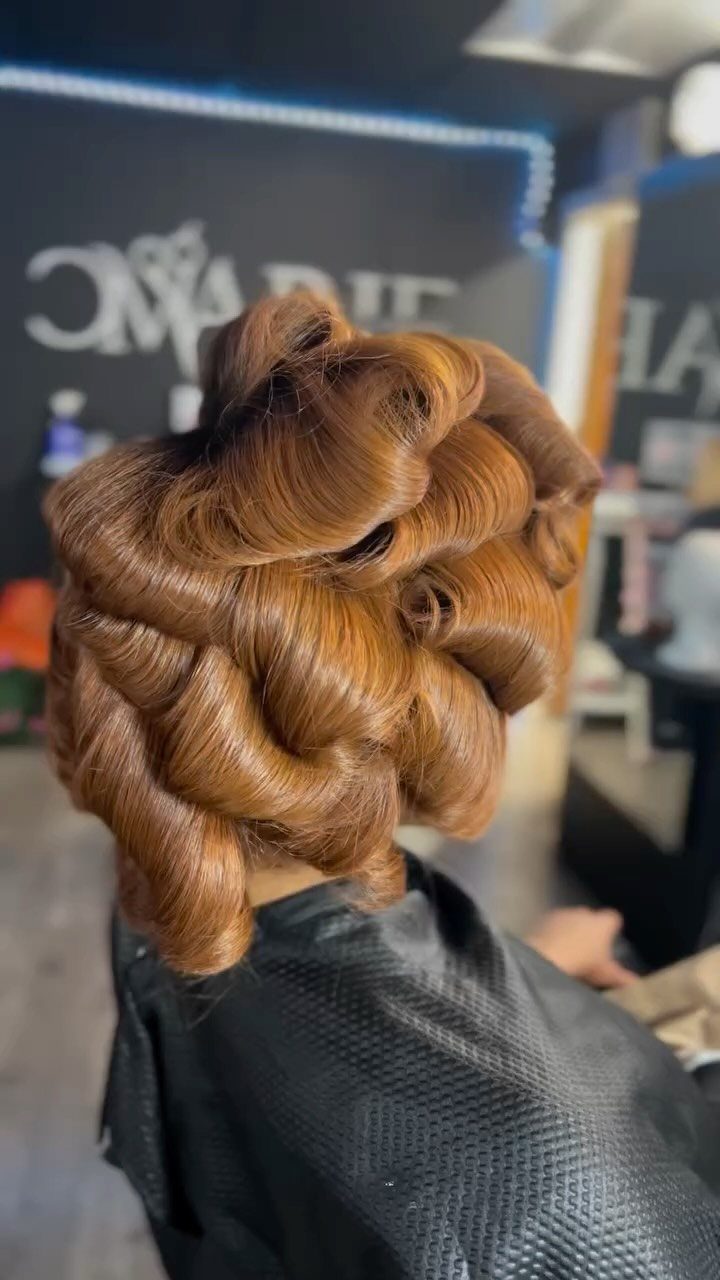
Copper-brown gets noticeably deeper with gloss, and structured curls give the shine somewhere to travel, so every curve catches light. The color looks richer without going any redder.
For readers wanting warmth that still feels wearable, I like this pairing more than a flat single-tone brown. Tell your stylist you want depth and shine, then style curls with a curling iron or wand for that defined shape.
Warm tones can dull between visits, so gloss helps freshen them.
6. Gloss on Wavy Black Hair
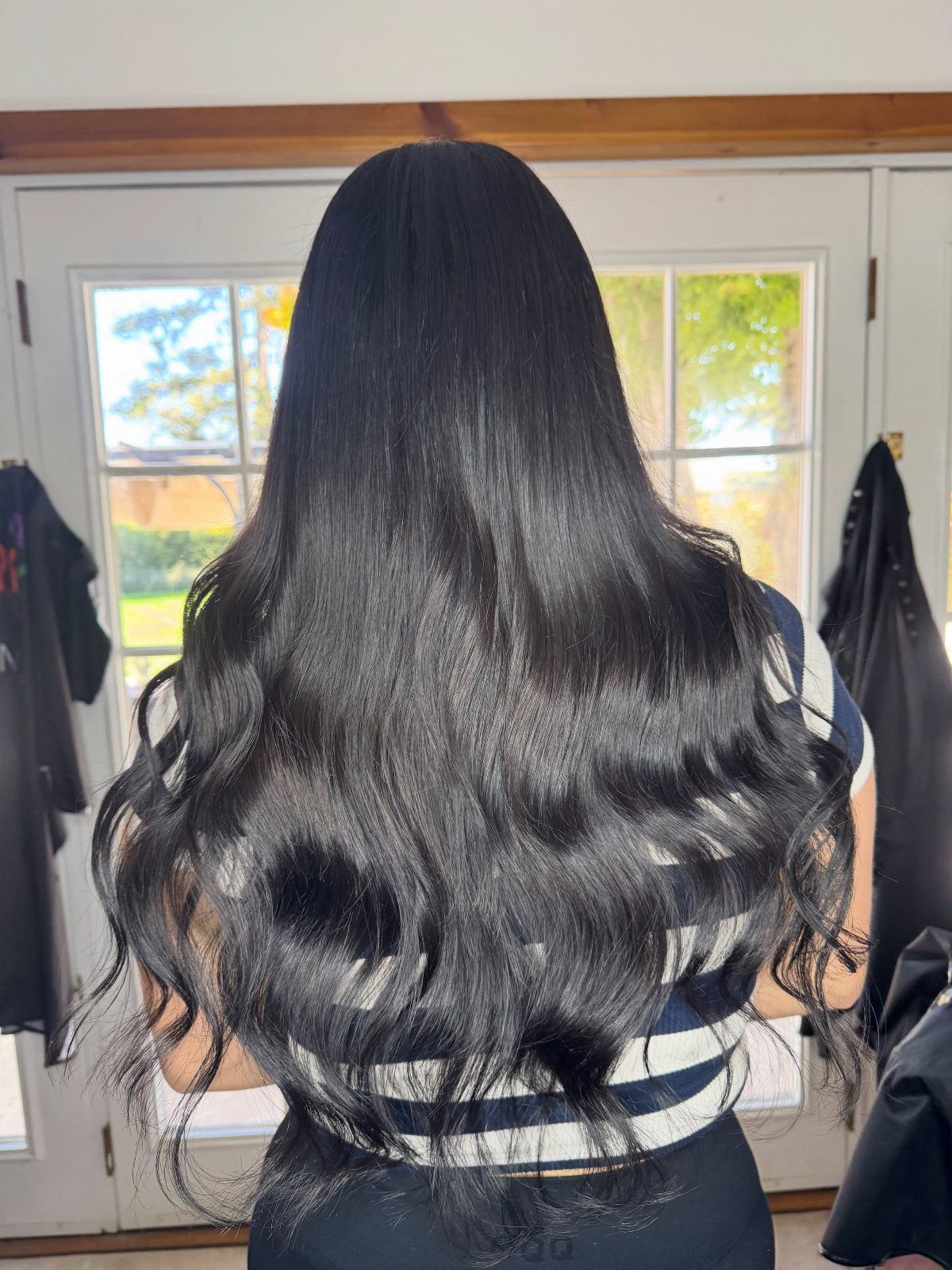
This suits readers who want low-effort glamour, since loose waves hide small flaws in styling while the shine does the talking. I would keep the length healthy with regular trims.
Dark hair shows dullness fast, so gloss is a quick way to bring it back.
7. Deep Burgundy Red Hair Gloss
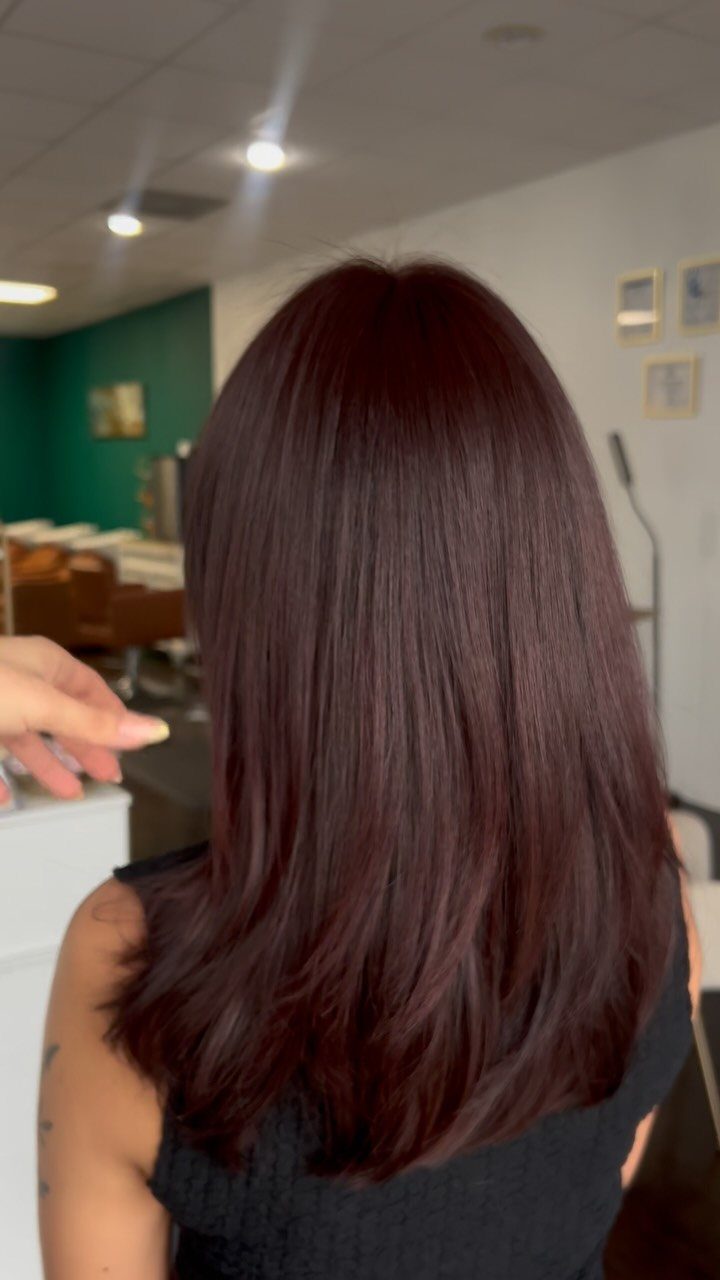
Deep burgundy is a shade that can go muddy under dull light, and gloss is what keeps it looking like wine instead of brown. On long, smooth hair the shine runs down the length in one unbroken sheen.
A gloss that holds the red-violet depth, instead of pushing the shade brighter, is what a colorist should be mixing for this color.
I would choose this over a bolder red if you want color that looks rich in an office as well as a salon.
Red fades faster than most shades, so expect to return for touch-ups.
8. Glossy Reddish-brown Waves
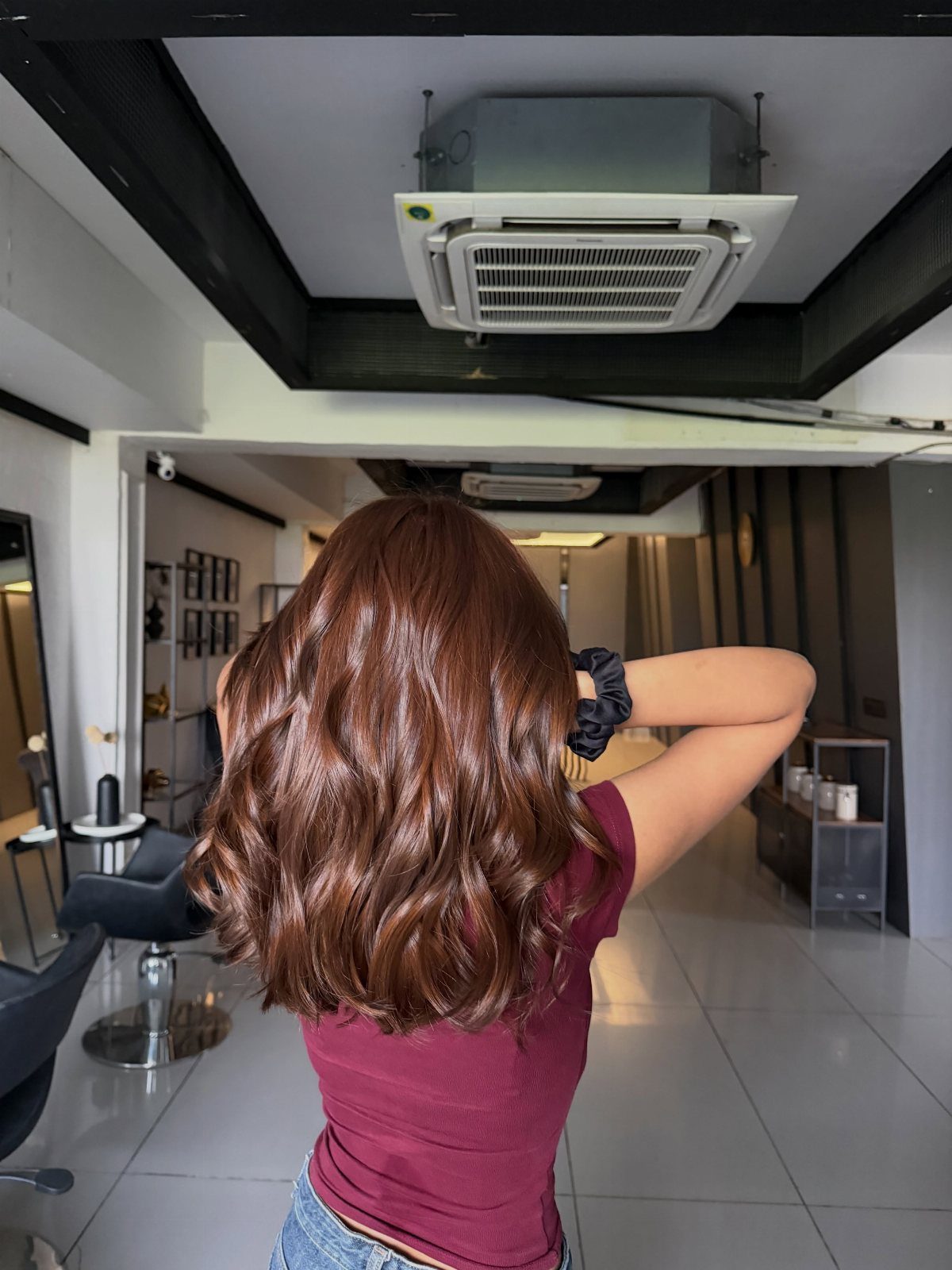
Soft waves are a good partner for reddish-brown, because each bend gives the gloss a new surface to catch light. The color reads warm and full without any added brightness.
For a reader who wants something wearable and low-key, I prefer this to a straight blowout, since waves forgive a little frizz and still look polished.
Ask for shine and richness, and style with loose, even waves instead of tight curls.
9. Straight Glossy Black Hair
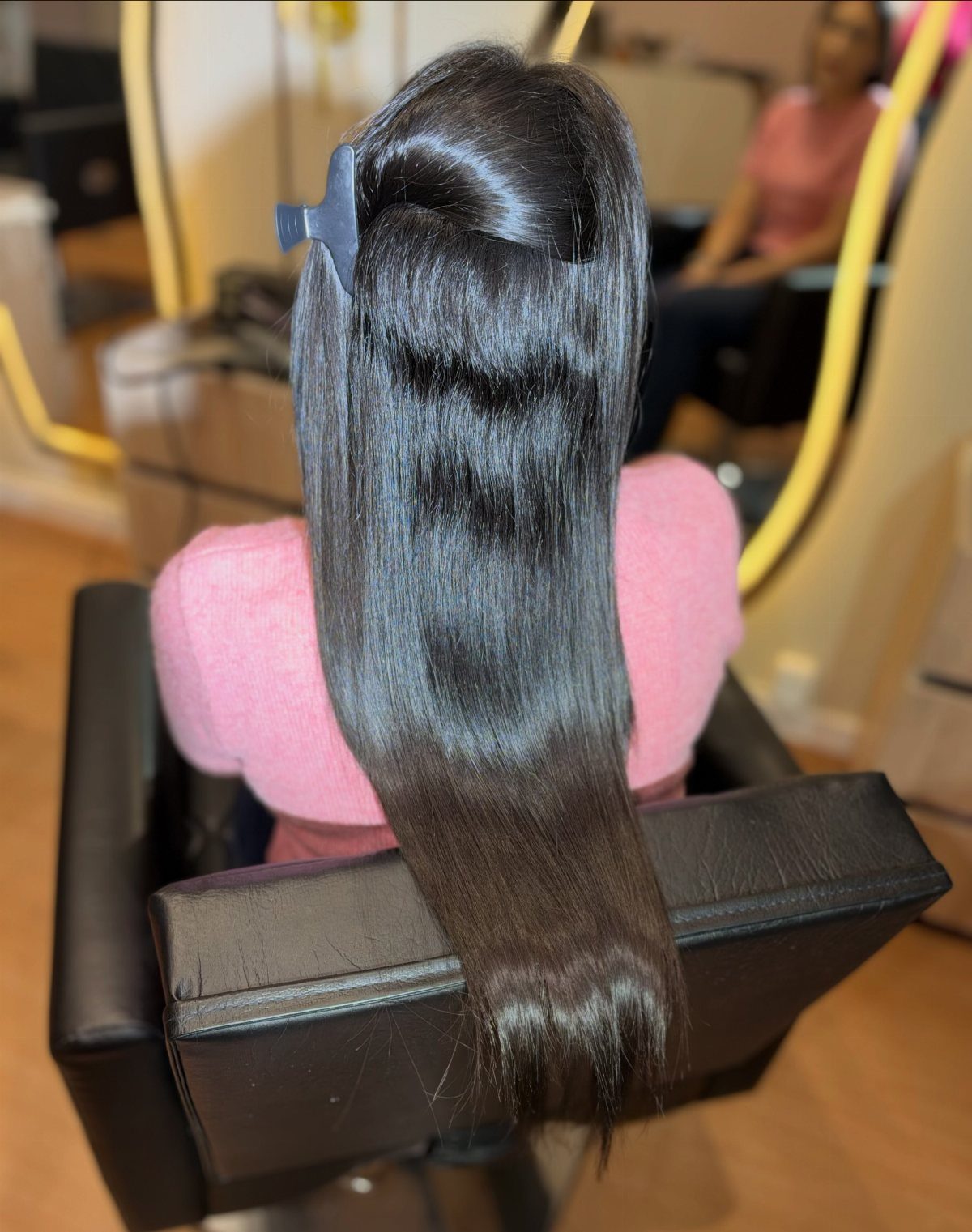
Jet-black hair gives the strongest glass effect of any shade here, since no color variation competes with the shine. Long, straight lengths turn that into a mirror-like panel down the back.
Straight styling is the place to be careful: black shows every rough patch and split end. Keep trims regular and smooth the hair with a flat iron or smoothing brush before you judge the result.
I would pick this if you want maximum polish, though it asks for the most diligent upkeep.
10. Glossy Contrast Streaks
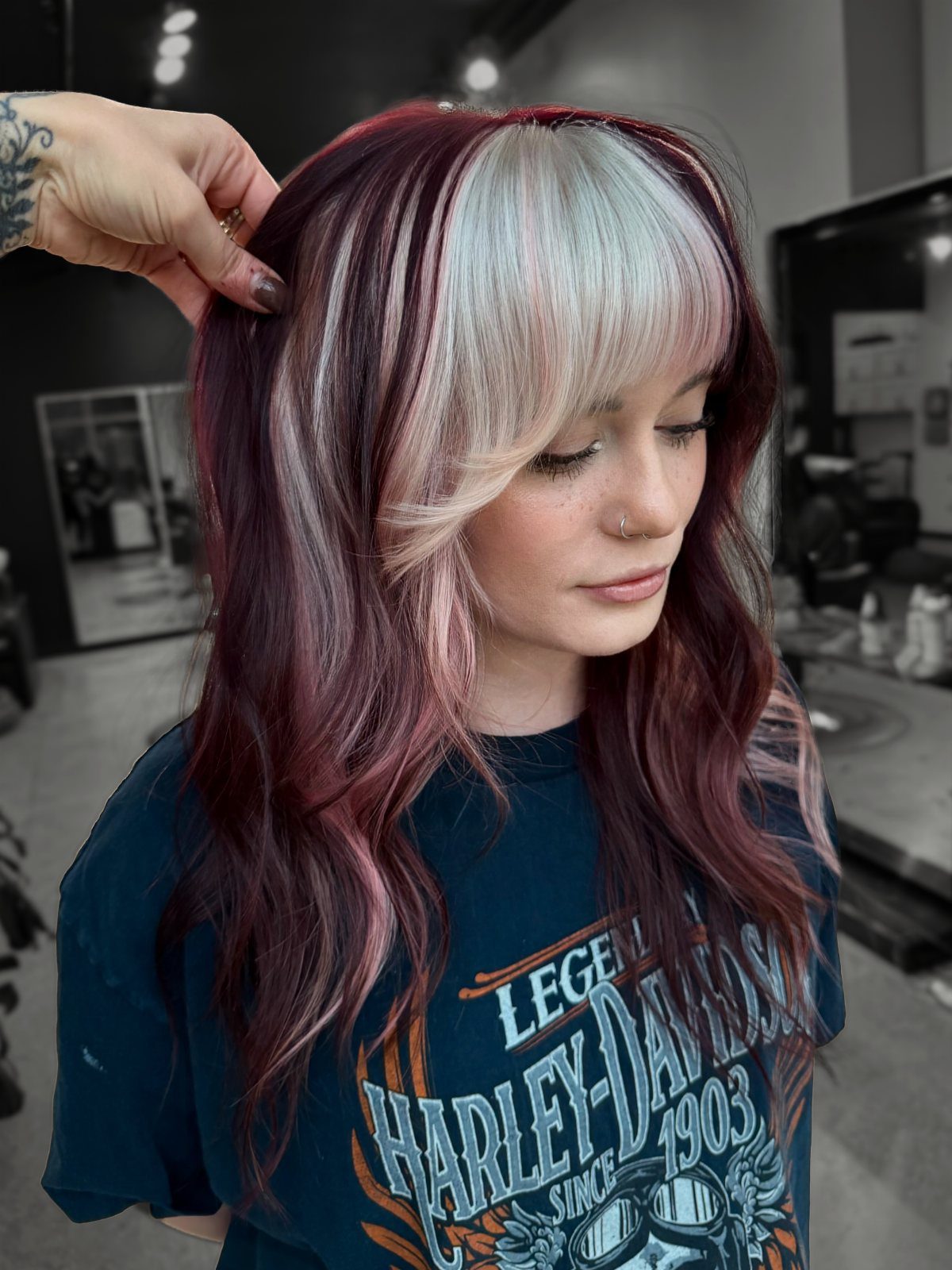
Burgundy mixed with bright white is a high-contrast look, and gloss is what stops the two from clashing. It sharpens the line between dark and light so each streak reads on purpose.
Wavy styling shows the contrast well.
Maintenance Tips for Gloss
Sulfate-free shampoo is the first swap I’d make, since sulfates strip the color and shine you just paid for.
Switching to a shampoo and conditioner made for color-treated hair works the same way, and it slows the fade of your tone between glosses.
Heat is the second drain on a gloss. Use a heat protectant whenever a styling tool comes out, and keep the temperature as low as the style allows.
Sun fades gloss too. On long days in the sun, a hat or a leave-in with UV filters keeps the shine from dulling.
Once a week, a deep conditioning mask puts moisture back and keeps the gloss looking smooth. Regular trims clear away split ends, which break up shine before anything else does.
Difference Between Gloss and Dye
Gloss and dye work in different ways. Gloss is demi-permanent and deposit-only, meaning it adds color and shine without lightening your natural shade, so the change stays subtle.
Dye is permanent and penetrates the shaft, which is why it can lighten hair or change the color completely. It also asks for more upkeep.
If you want a new shade, book dye. Depending on the formula, your hair’s porosity and its overall condition, expect a gloss to fade over about 12–24 washes.
Frequency of Use
Salon gloss is best repeated every 4–6 weeks. At-home gloss can go on every 1–2 weeks, though store-bought formulas usually don’t last as long as professional ones.
Stick to the timing on the label, and go easy on color-depositing formulas, since they build up faster than you’d think. Because a clear gloss is the gentlest kind, a weekly session is realistic if your hair likes it.
Reds fade faster and usually need a little extra attention.
If you’d rather go by how your hair looks, reapply about monthly, or when the color turns dull.
Frequently Asked Questions
What are the benefits of using a hair gloss?
Gloss adds shine, smooths frizz and keeps color looking rich instead of dull. Bright and deep shades like purple, pastel pink and burgundy gain the most, since a smooth surface makes them read polished rather than flat or chalky.
It also leaves your length and color as they are, so the change stays subtle.
What is the best hair gloss for gray hair?
I can’t name one best product, but the choice comes down to clear versus tinted.
A color-depositing gloss corrects brassiness, fine-tunes your tone or deepens color, while a clear gloss adds shine and leaves your color alone. Clear is also the gentlest kind, so pick it if you like your shade as it is.
How long does a hair gloss last?
A salon gloss usually fades after 12–24 shampoos, so plan on 4–6 weeks before the shine and tone start to slip.
Porosity, the formula used and the shape your hair is in all shift that timeline, sometimes by a couple of weeks either way. Sulfate-free shampoo, heat protectant and sun protection slow the fade, while reds and pastels go faster.
Is glossing your hair healthier than dyeing it?
Yes, gloss is the gentler option. Gloss is demi-permanent and uses a low-volume developer, while permanent dye uses a stronger one to lift and change your natural color.
That is also why gloss only changes your shade subtly; if you want a new color, you need dye.






