Curl pattern decides which of these steps matters most for you, and wash frequency is where it shows: wavy curls do well with 2 or 3 washes a week, while coily hair usually needs only 1 or 2.
Some of these steps cost nothing, like air-drying, while others, like a silk pillowcase, run higher than cotton and call for gentler laundering.
Your scalp settles the timing: itchy, oily or coated means wash, and anything else can wait a day.
1. Deep Conditioning Mask
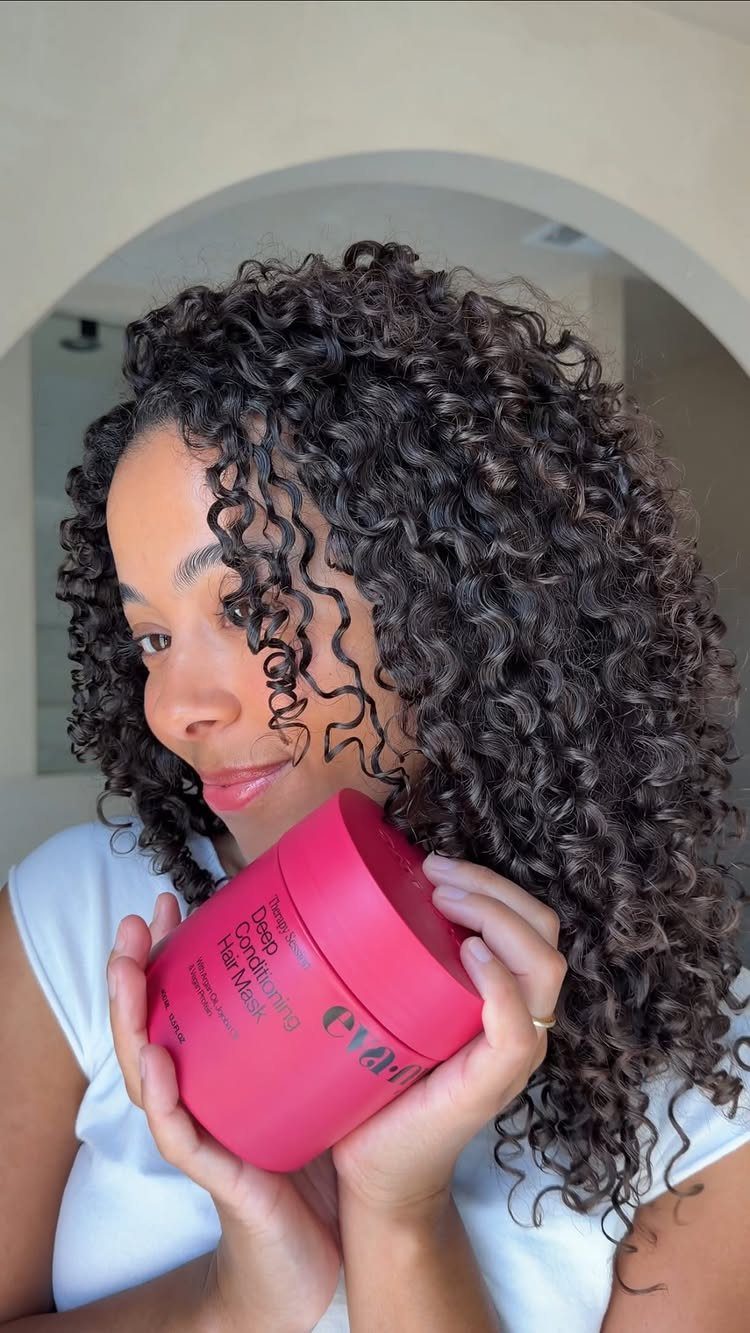
Deep conditioning belongs in the wash-day routine once a week or so, after shampooing and before you style.
Curls run dry because the natural oils from the scalp have a hard time sliding down a coiled strand, and a thick mask puts back the softness and slip that a regular conditioner leaves short.
Work it through damp hair from mid-lengths to ends, where dryness lives.
Leave it on for the time the label suggests, then rinse well. Heavy, wet-feeling hair afterward usually means too much product.
Only detangle your hair when it is covered in a slippery, creamy conditioner during your shower routine. This protects the hair cuticle and makes wash day much less painful.
2. Diffuse or Air-dry

Drying method changes curl shape more than most people expect. A diffuser spreads the airflow wide, so curls dry without being blown apart, which is what causes frizz.
Use low speed and low to medium heat, and cup sections of hair in the bowl instead of waving the dryer around.
Air-drying costs nothing and is gentler on the hair, but it takes longer and curls can look flatter at the roots. I lean toward diffusing when I want volume and air-drying when I have time.
3. Silk Pillowcase

Cotton pulls moisture from curls overnight and creates friction, so a silk pillowcase is one of the easiest swaps in a curly routine.
Hair slides over the surface, which helps keep a defined set from turning into a frizzy tangle by morning.
Champagne shows less wear than white, but color matters less than the fabric.
Silk costs more than cotton and needs gentler washing. A satin version is the budget route.
4. Wide-tooth Comb
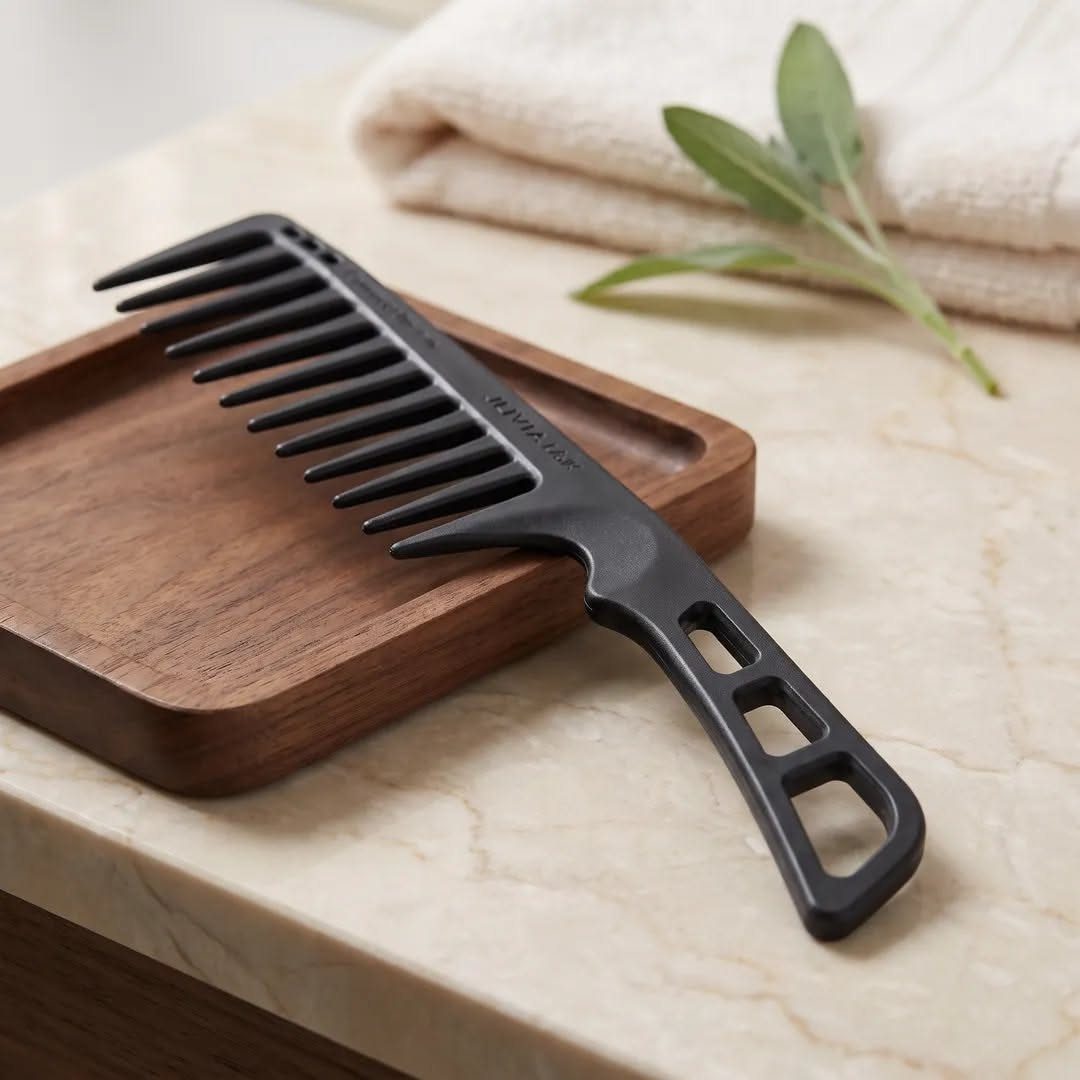
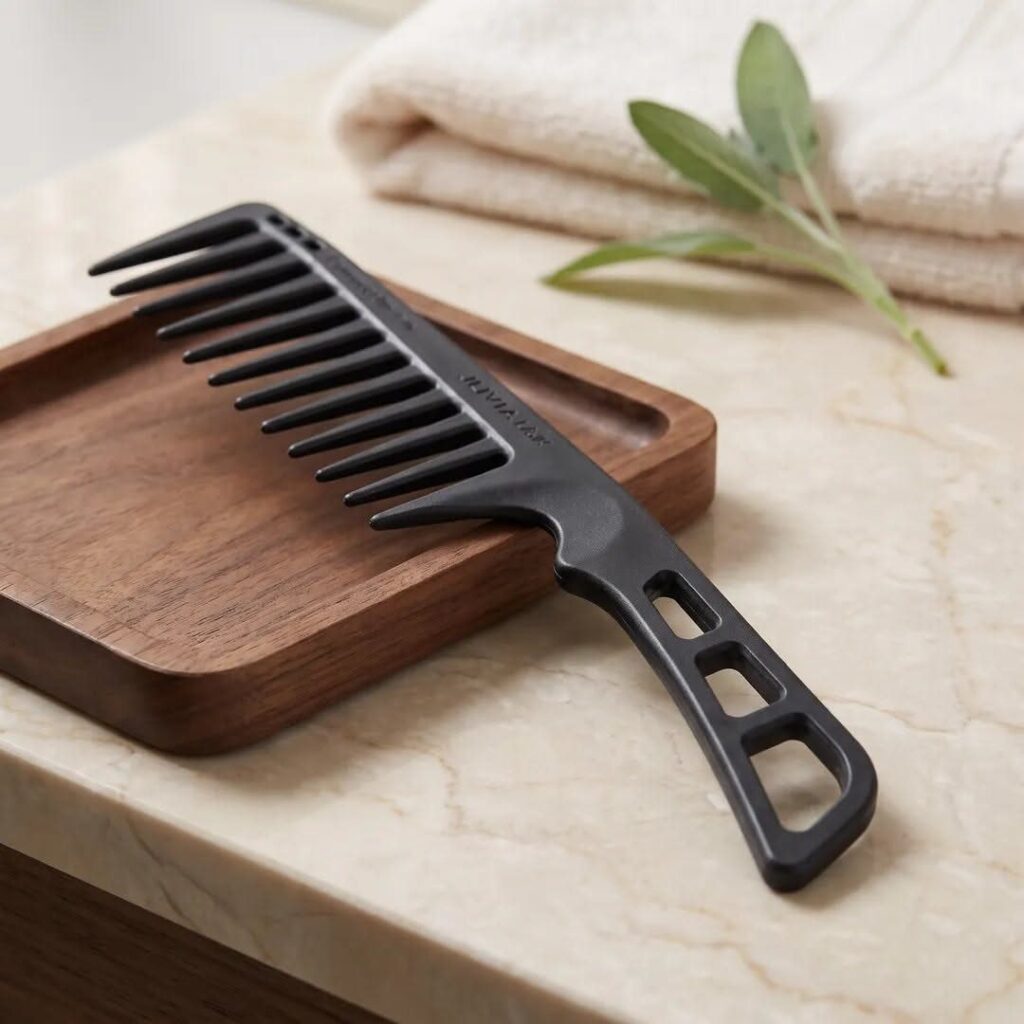
Wide-tooth combs have teeth spaced far enough apart to glide through curls without snapping them into frizz. A wide-tooth comb belongs on wet hair coated in conditioner; on dry curls it snaps strands and breaks up the clumps.
Start at the ends and work upward in small sections, so knots loosen instead of tightening. I’d pick this over a brush every time.
5. Use Curl-enhancing Products

Curl-enhancing products, such as creams, gels and mousses, define each curl and calm frizz. Apply them to soaking-wet hair, since water helps the product spread evenly and clump curls together.
Rake or scrunch the product in section by section, then leave the hair alone while it dries.
Touching it too soon breaks up the definition. Start with one product and add a second only if your curls still need hold.
How Often to Wash Curly Hair
Wash frequency depends on curl pattern. Wavy curls do well with 2 or 3 washes a week, while coily hair usually needs only 1 or 2, since each wash strips natural oils the hair struggles to replace.
Your scalp gives the clearest signal.
Itchy, oily, or coated means it’s time to wash. When your scalp feels fine and the curl pattern still looks defined, I let a wash wait one more day.
A quick refresh on day two or three stretches the time between washes and keeps the moisture in your hair.
Most people land somewhere between every 2 and 5 days, and I’d start at the longer end and shorten it only when the scalp asks.
Choosing the Right Products
Read the ingredient list before you read the front label. Sodium Lauryl Sulfate and other harsh sulfates clean well, but with regular use they strip curls dry, which is why I stick with sulfate-free shampoos built on milder cleansers.
On the conditioner side, look for hydrating ingredients: coconut oil, glycerin and aloe vera all show up in curl-focused formulas. They help hair hold onto its natural oils instead of losing them to the wash.
Swap one product at a time. If you change shampoo, conditioner and styler together, you can’t tell which one helped or caused a problem.
Refreshing Curls Between Washes
A refresh works best when your roots still feel clean and only the curls look flat or frizzy.
For extra hold, a bit of mousse or gel scrunched in will do it. To reshape the pieces around your face, wrap each one around a finger, then leave your hair alone until it is fully dry.
Watch for stickiness when the water hits. If that happens, there is still a lot of product sitting in your hair, so stick to plain water and schedule a full wash soon.
Before bed, I gather my curls loosely on top of my head in a "pineapple" or slip on a satin bonnet, so there is less friction and the shape lasts.
Frequently Asked Questions
What is the correct order for a curly hair routine?
Cleanse, condition, style, then dry. Shampoo first, follow with conditioner (a deep mask once a week or so), and apply your curl product to soaking-wet hair.
Dry last, by diffusing or air-drying. Each step sets up the next, and applying product while hair is wet helps it spread evenly and clump the curls.
How to take care of curly hair step by step?
Wash with a sulfate-free shampoo, then condition and detangle from the ends upward with a wide-tooth comb. Apply a curl product to soaking-wet hair, scrunch it in, and leave it alone while it dries by diffuser or air.
Add a deep mask about once a week, since curls run dry. Silk or satin at night keeps friction low and your shape intact.
Can I use heat on curly hair every day?
Daily heat is a poor bet for curls, since the same strands take hit after hit and eventually start to snap.
That covers hot water, hot air and hot tools. A diffuser works fine on low speed and low to medium heat, and on the days between, let your hair air-dry or just refresh it with water.






