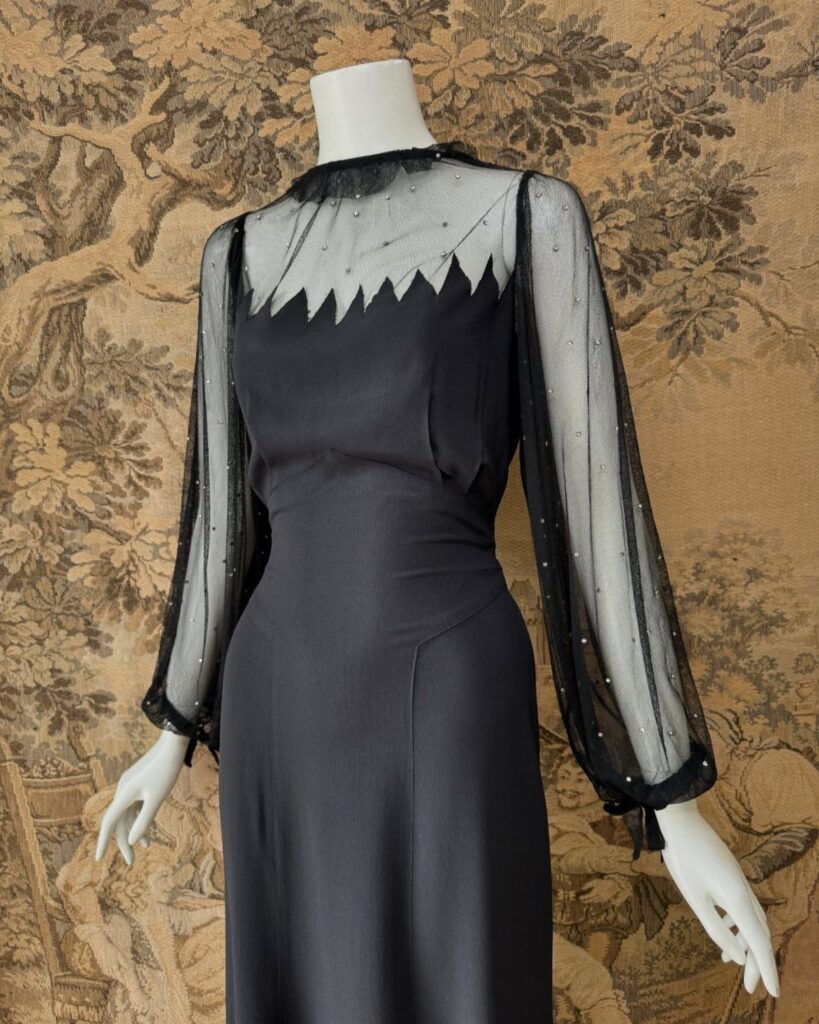
Sheer, beaded sleeves on a Little Black Dress and a small brown-on-cream polka dot on a High-Waisted Dress sit at opposite ends of this list, yet both rest on the same old-style shapes.
Which idea is yours depends on your occasion: an evening in a Little Black Dress, a daytime High-Waisted Dress, or Matching Outfits for Mothers and Children with your daughter.
The span runs from a single dress to coordinated suits in 2 sizes, and the old-fashioned cut, from the 1920s through the 1980s, does the work in each.
1. Little Black Dress
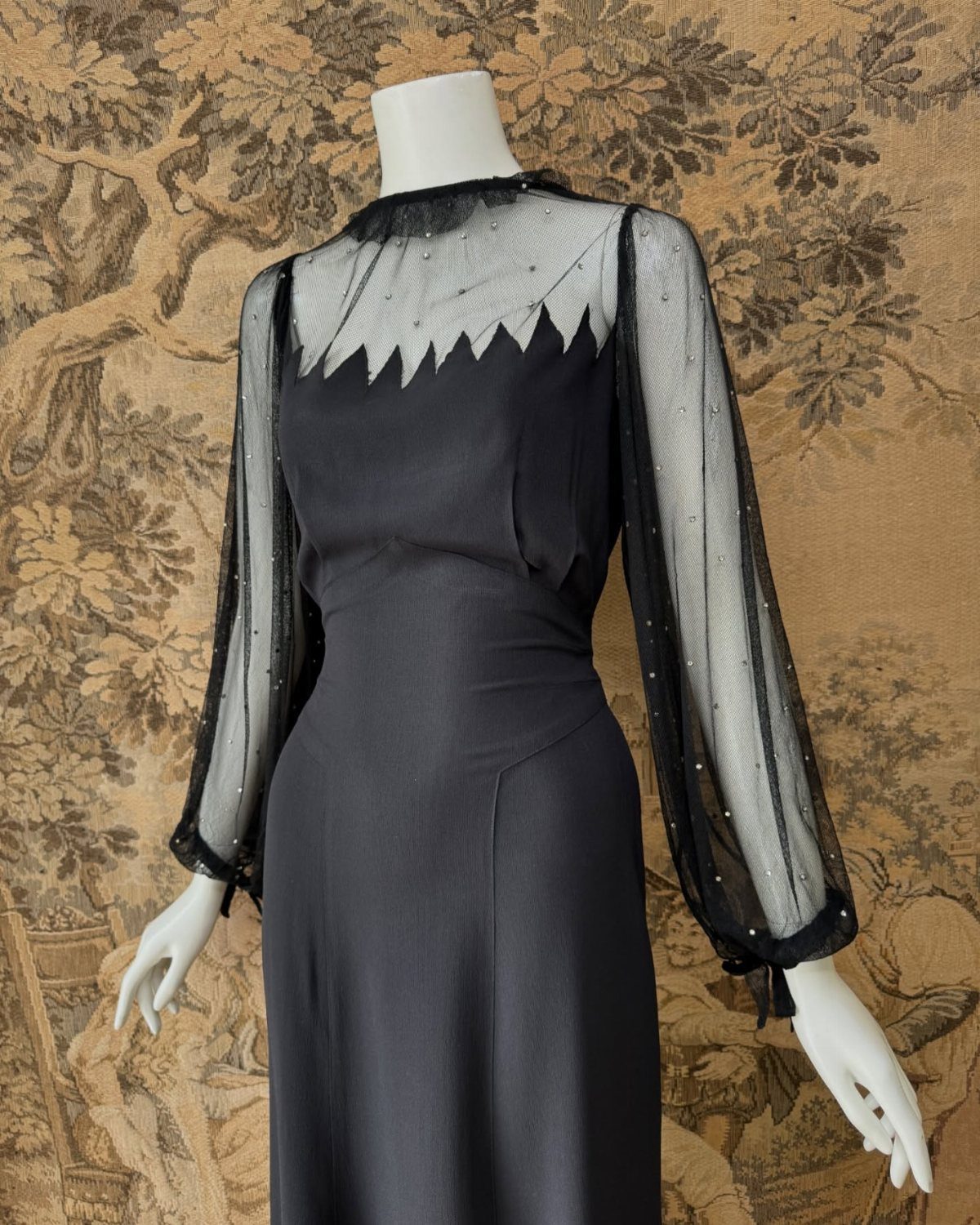
Sheer, beaded sleeves are what make a black dress worth keeping. The beading adds texture and light at the arms, so the dress needs almost no jewelry.
For a wardrobe built on fewer, better pieces, this is a good place to spend. Keep everything else plain: simple pumps, a small clutch, hair pulled back so the sleeves stay the focus.
Sheer sleeves also change how the dress works across occasions. Wear it alone for evening, or put a slim camisole under the dress if you want more coverage for daytime.
2. Matching Outfits for Mothers and Children
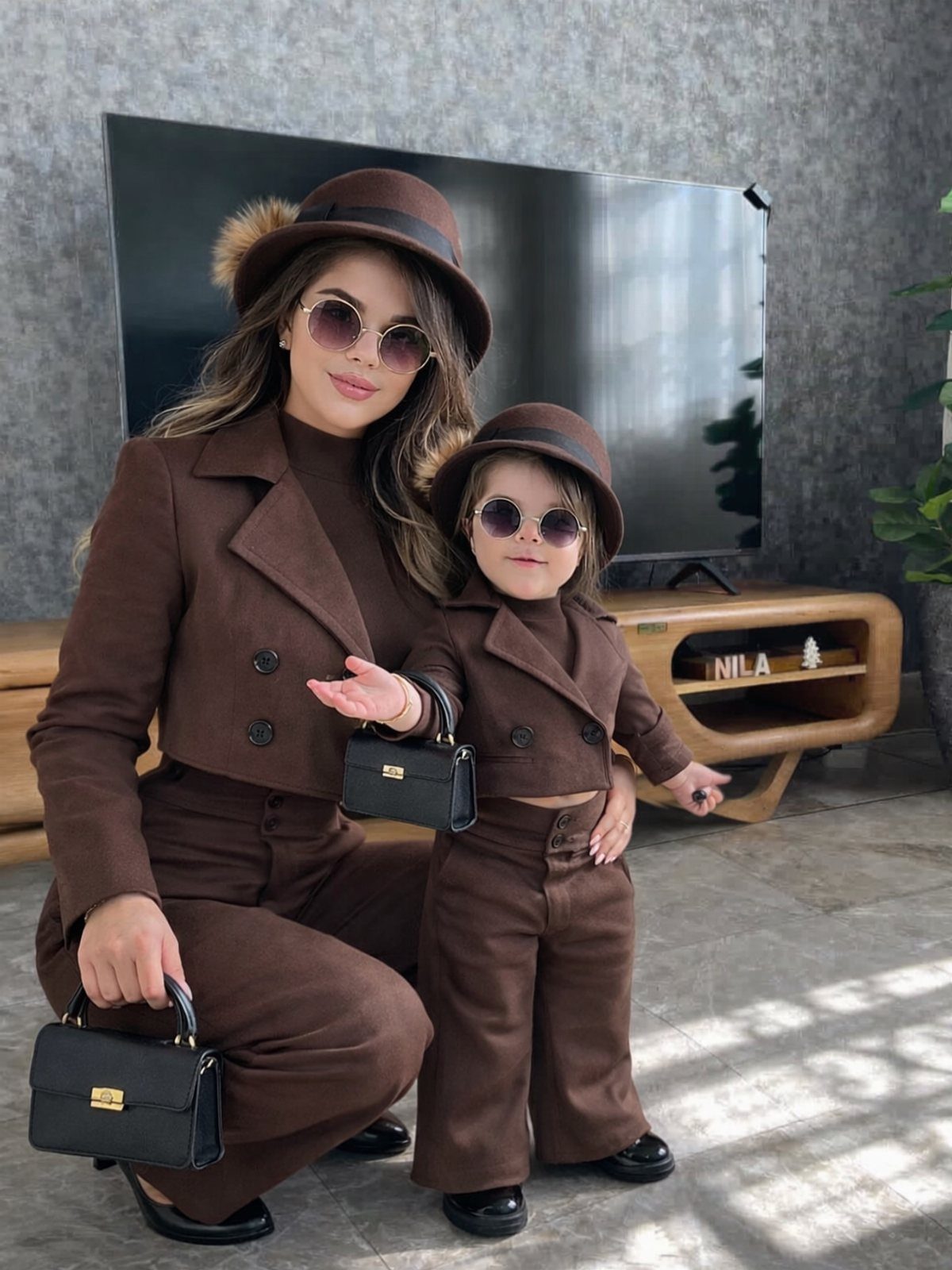
Matching the color and the pieces, in 2 sizes, is what does it.
Stick to one shade and one silhouette, then let the accessories repeat: the same hat style, the same black bag color. I would skip identical shoes and let the daughter pick her own, since comfort wins at her age.
This works best for occasions where you both want photos, like holidays or family portraits. Buy the suits one fabric family at a time, so the browns agree in daylight.
3. High-Waisted Dresses
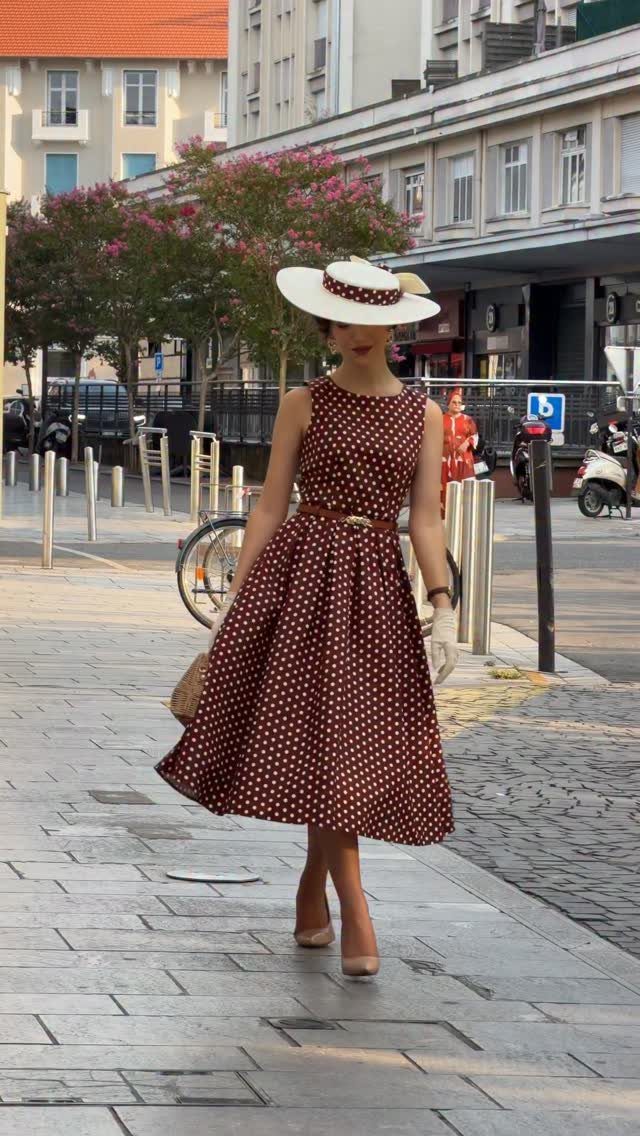
A high-waisted dress sits its seam at the narrowest part of your torso, which makes the skirt look longer and the legs go on for miles.
A high-waisted dress in a small-scale polka dot, like brown on cream, pairs well with a wide-brimmed hat and heels, since the print is busy enough that the accessories should stay plain and classic.
The waistline is what you check first. If the seam lands too low, the shape falls flat, so try it on and look in a full-length mirror.
I like a small, spaced print like polka dots because it reads as vintage without effort. Keep the hat and shoes in one color family, and let the dress carry the pattern alone.
Influence of Vintage Fashion
Designers have long done more than make clothes; they have tracked big social shifts as they happened. Dress history from the 1920s through the 1980s is, in part, a record of those changes.
Good cut ages slowly, which explains why a 1950s fit-and-flare dress or a blouse with Edwardian sleeves and a high neck still looks current on a hanger today. These shapes already proved they flatter, so designers keep returning to them.
Choose a vintage-inspired cut over a fast-moving trend, and the piece reads as yours rather than as something everyone bought that month.
Pick the silhouette first, then check the fit in a mirror. A proven shape in the wrong size still looks wrong.
Fashion’s Cyclical Nature
Designers pull from earlier eras because those silhouettes have already earned their place. So a "new" look is often an old shape with updated fabric or proportions.
You can use that when shopping. If a piece echoes a classic cut, it will likely stay wearable longer than something with no history behind it.
Ask whether you could picture the shape in a photo from decades ago. If so, it is probably a safer buy than a trend with no past.
Then make it personal. Keep the old-style shape and choose the color, fabric and accessories that suit your own coloring and the occasion, so the outfit looks current without copying a runway.
Frequently Asked Questions
Who were some famous fashion designers in the 1940s?
Christian Dior is the name to know. Dior’s house opened in Paris in 1946, and the first collection followed in 1947: fitted bodices over long, full skirts that used as much as 25 yards of fabric.
Harper’s Bazaar editor Carmel Snow dubbed it "The New Look," and it landed with women tired of wartime utility clothing.
Why do old fashion styles keep coming back?
Old silhouettes come back because they already earned their place; the shape flattered once, so it tends to flatter again. Most "new" looks turn out to be an old shape with a fresh fabric or a shifted proportion.
How can I wear vintage-inspired fashion without looking like a costume?
Keep the old-style shape and choose the color, fabric and accessories to suit your own coloring and the occasion.
A high-waisted dress with small, evenly spaced polka dots, say brown on cream, carries the era on its own. With a patterned dress, I match the hat and shoes within one color family so the print does the talking.
How do I know if a vintage-style piece is worth buying?
Picture the shape in a photograph from 60 or 70 years ago; if it fits there, that is a good sign. Before buying, check it in a full-length mirror, since even a proven shape looks off when the size is wrong.






